Betancuria: The Oldest Town in the Canary Islands
Betancuria, nestled on the stunning island of Fuerteventura, holds the distinguished title of the oldest town in the Canary Islands. Established in 1404, it is a tapestry of history woven with tales of conquest, culture, and architectural marvels. As we celebrate its illustrious 620 years, it’s essential to delve deep into what makes this charming locale a gem in Spanish history.
A Historic Foundation
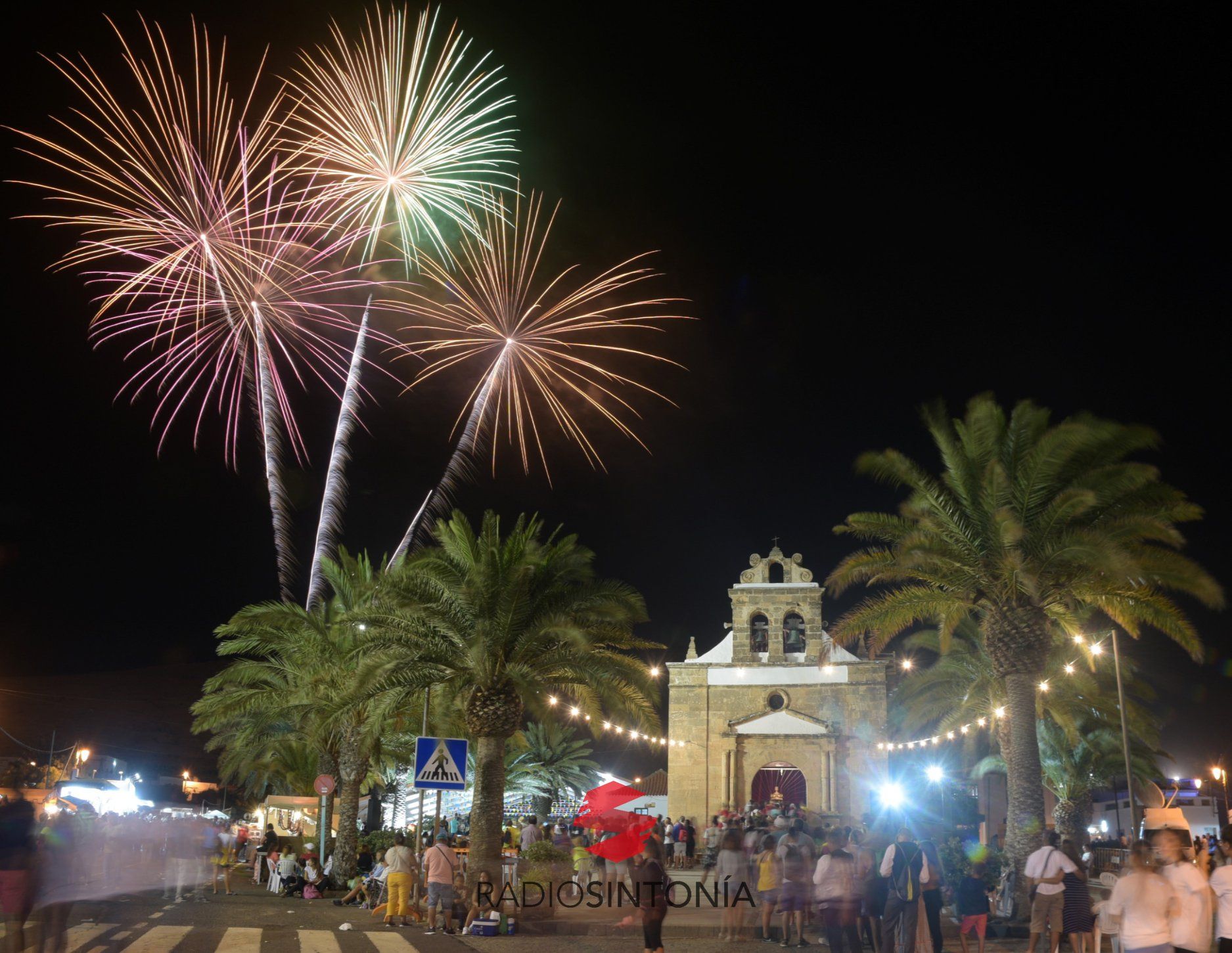
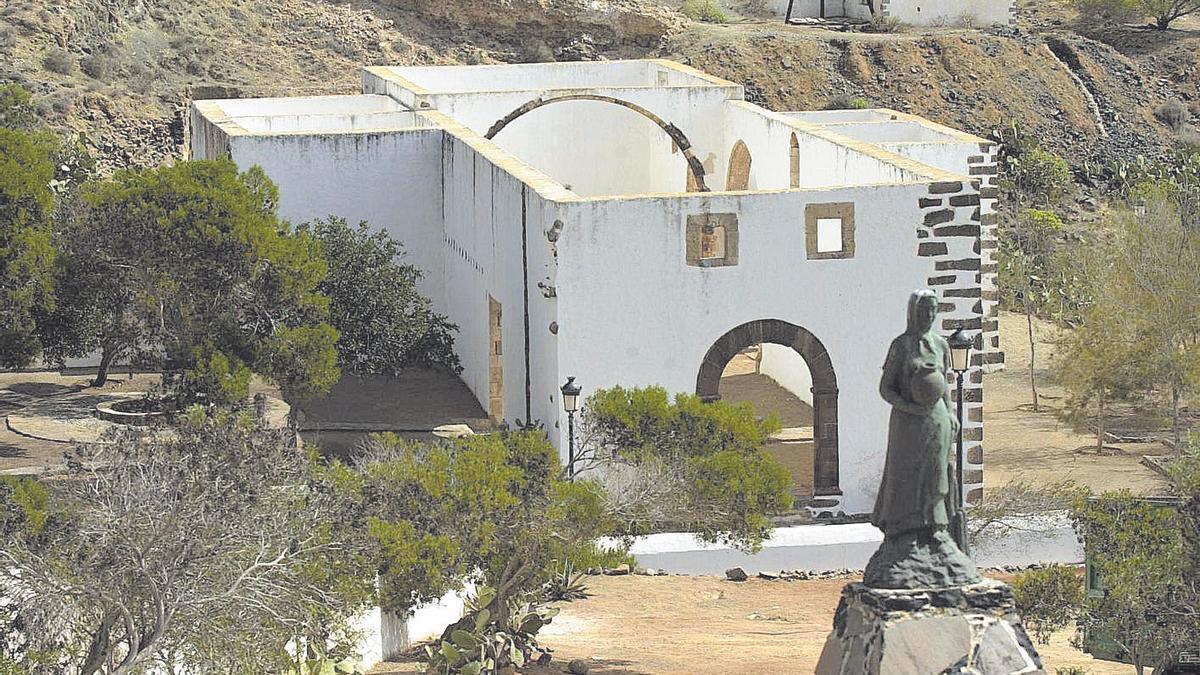
Betancuria’s origins trace back to the Spanish conquest led by the intrepid Norman conquerors Jean de Bethencourt and Gadifer de La Salle. The town’s name pays homage to Bethencourt, encapsulating its historical significance. Its strategic location made it a key player during the early days of colonization and settlement in the archipelago. Unfortunately, this prominence also made it a target for pirates, who disrupted peace and even destroyed the first church of the islands, Santa María, constructed in 1410. The architectural styles of this sacred site reflect influences from Gothic, Mudéjar, and Baroque traditions, showcasing the rich cultural intermingling of the period.
Interestingly, the remains of Betancourt and La Salle lie beneath the church’s foundations. At that time, no cemetery had been established, which adds a layer of depth to the town’s historical narrative. The central plaza, where the church stands, opens onto the magnificent historical quarter, characterized by narrow streets and quaint houses that whisper stories of a bygone era. Close by, the Convent of San Buenaventura emerges as another architectural jewel, beckoning curious visitors.
The Center of Education and Religion
Throughout the 15th century, Betancuria earned the position of the first episcopal seat of Fuerteventura, a testament to its importance in religious matters. This town served as the sole educational hub for the island, as Franciscans provided essential reading and writing instruction to the local residents, known as majoreros. The presence of the Church and the educational institutions fostered a sense of community and learning that persisted through centuries.
Among the other religious sites, the Hermitage of Nuestra Señora de la Peña stands out, housing the second oldest likeness of Our Lady in the Canaries. This depiction is only outdone by the revered Virgen de las Nieves in La Palma, adding to Betancuria’s rich theological significance.
Cultural Heritage and Natural Beauty
Betancuria doesn’t just boast religious and historical landmarks; it also nurtures a wealth of cultural heritage. The Hermita de San Diego finds solace in a hidden cave, purportedly where the saint prayed around the year 1440, making it a point of spiritual interest. For those eager to soak up the lifestyle of the island’s early inhabitants, the Archaeological and Ethnographic Museum offers insights through its exhibits on indigenous archaeology, paleontology, and ethnography.
Beyond its built heritage, Betancuria is embraced by the tranquil landscapes of Fuerteventura, significantly augmented by its location in the Betancuria Rural Park. This area showcases the island’s serene beauty, making it a popular destination for hikers and nature lovers.
Gastronomy and Local Delights
Fuerteventura is renowned not just for its stunning beaches but also for a rich gastronomic tradition that encapsulates the spirit of its people. The culinary delights include the iconic “papas arrugadas” (wrinkled potatoes) paired with mojo sauce, as well as the island’s famous majorero cheese. These local flavors provide a taste of the island’s unique cultural blend, steeped in history and tradition.
Visitors can also explore breathtaking viewpoints nearby, such as the Mirador de Morro Velosa, designed by the renowned artist César Manrique. This scenic lookout offers a panoramic view of the island’s northern and central regions. Additionally, the Mirador de Guise and Ayose allows for breathtaking vistas of the Santa Inés Valley and the town of Betancuria, enriching the visitor experience.
The latter viewpoint also features grand statues by Emiliano Hernández, representing the ancient indigenous rulers Ayose and Guise, further anchoring the cultural significance of this enchanting town.
A Living History
As Betancuria reaches the milestone of 620 years, it stands not merely as a relic of the past but as a living testament to the resilience of its community and the richness of Canary Island heritage. From its historic streets and religious sites to its beautiful landscapes and delicious cuisine, Betancuria continues to captivate hearts and minds, inviting exploration and admiration of its profound tales. Whether you are a history buff, a nature enthusiast, or a foodie, Betancuria promises to surprise and delight at every turn.