La Vega de Río Palmas: A Pilgrimage of Tradition and Devotion
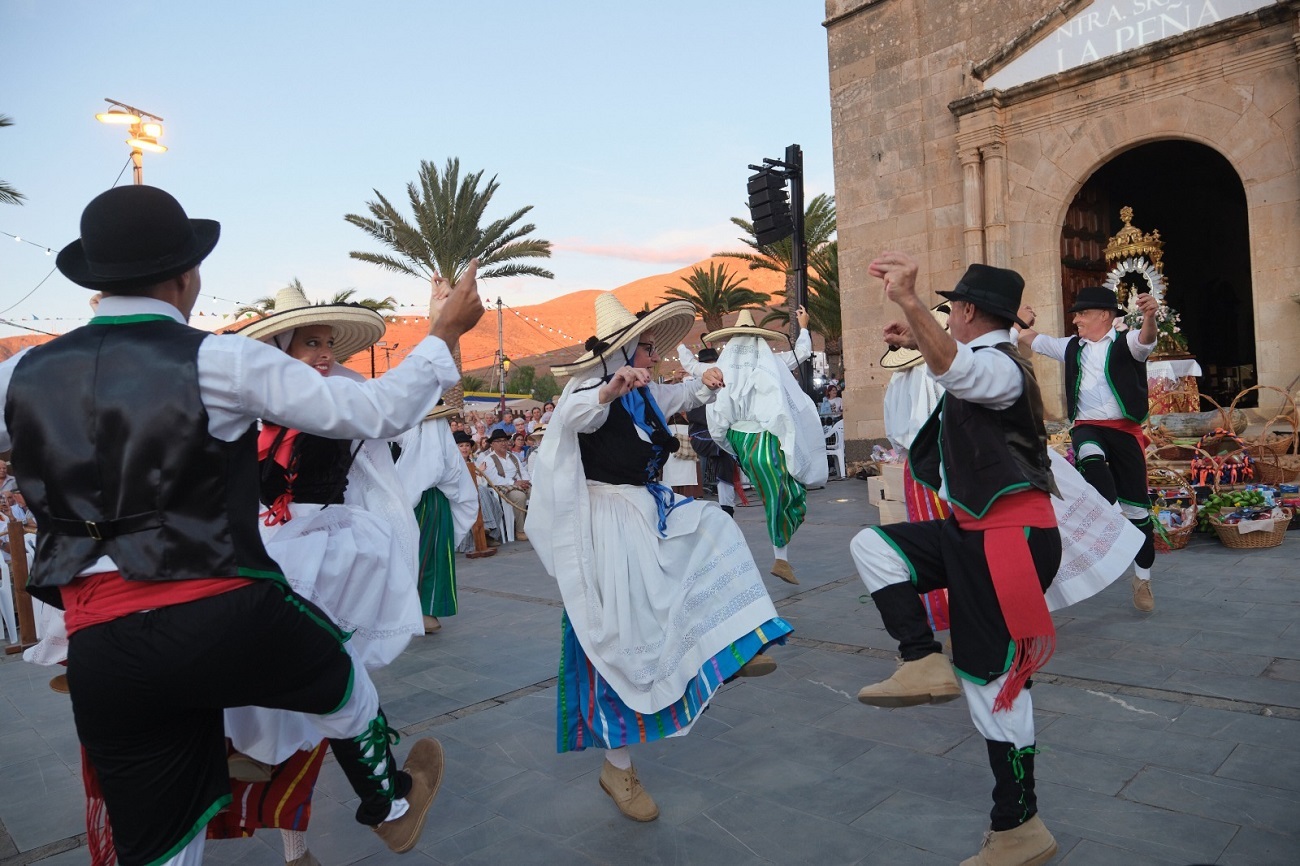
La Vega de Río Palmas, adorned for the occasion, welcomed thousands of pilgrims this past Friday. Among them were individuals dressed in athletic wear, as well as many donning traditional garments, all arriving from various municipalities within the island of Fuerteventura and even from beyond. This annual event is not just a pilgrimage; it’s a heartfelt tribute to the Virgin of La Peña, the patron saint of the island, celebrated on this special day dedicated to the insular festivities.
A Rich Tradition of Faith and Community
The fervor and devotion displayed towards the Virgin of La Peña is palpable. Many pilgrims come to express their gratitude for promises fulfilled, while others simply come with family and friends to partake in a tradition that has been passed down through generations. The small town of Betancuria has become a focal point for this gathering, steeped in a history that resonates with the collective memory of the people.
Lola García, the president of the Cabildo, articulated the significance of the celebration: “La Peña represents the roots of our traditions and our culture, a unifying point for the people of Fuerteventura. It holds immense meaning for all of us who live here.”
The Festivities Begin
This year’s Romería Ofrenda sparked into life with lively music from the youth group Parranda Majanicho. Descending from the historical heart of Fuerteventura, the Villa de Betancuria, the procession was a sight to behold. As always, representatives from the various municipalities—including La Oliva, Puerto del Rosario, Antigua, Tuineje, Betancuria, and Pájara—showed up in full force, marching alongside individual pilgrims and adorned carts laden with offerings.
A Cornucopia of Local Delights
With every step along the path, the atmosphere grew more vibrant. Young people danced to traditional canarian music, while the local delicacies—cheeses, wines, and assorted sweets—accumulated at the feet of the Virgin of La Peña. This small alabaster figure, aged over five centuries and cradling the child in her arms, is crowned with golden diadems and received all the offerings from local authorities and charitable organizations, which are eventually distributed to those in need.
Community Bonds Strengthened by Pilgrimage
The day was filled with joyful reunions as locals greeted friends and acquaintances, sharing refreshments and enjoying meals from various food stalls. The afternoon embraced a celebratory spirit with performances by Timbeque and the Parranda Al Golpito, showcasing the richness of Fuerteventura’s musical heritage. Fireworks later lit up the sky, ushering in a lively public dance, welcoming even the stragglers to join the festivities.
Organizing for Safety
To manage such a large gathering effectively and safely, organizing administrations, including the Cabildo of Fuerteventura and the Betancuria Town Hall with support from the Government of the Canary Islands, have honed their emergency response plans over the years. Shuttle buses ran continuously between Antigua and the Vega de Río Palmas, while emergency posts along the access routes ensured safety for all.
The Government’s General Directorate for Emergencies introduced a new Advanced Command Post (PMA). Equipped with satellite communications, it coordinated the efforts of numerous agencies—firefighters, civil protection volunteers, and national and municipal police forces—to guarantee everyone’s wellbeing throughout the celebration.
A Day of Activity Continues
As of the last update from local authorities, no incidents had been reported during the festivities, which continued into the following day. Planned activities included masses, traditional sports competitions, further musical parrandas, and the beloved local dish, puchero, along with many other events and celebrations, scheduled till the closing ceremony on September 22, when the Virgin of La Peña returns to her shrine.
This stunning celebration encapsulates not just individual devotion but also the spirit of communal identity, reminding us of the power of shared beliefs, heritage, and collective joy in a world that often feels fragmented.