Reviving a Historical Name: The Campaign to Restore Puerto de Cabras
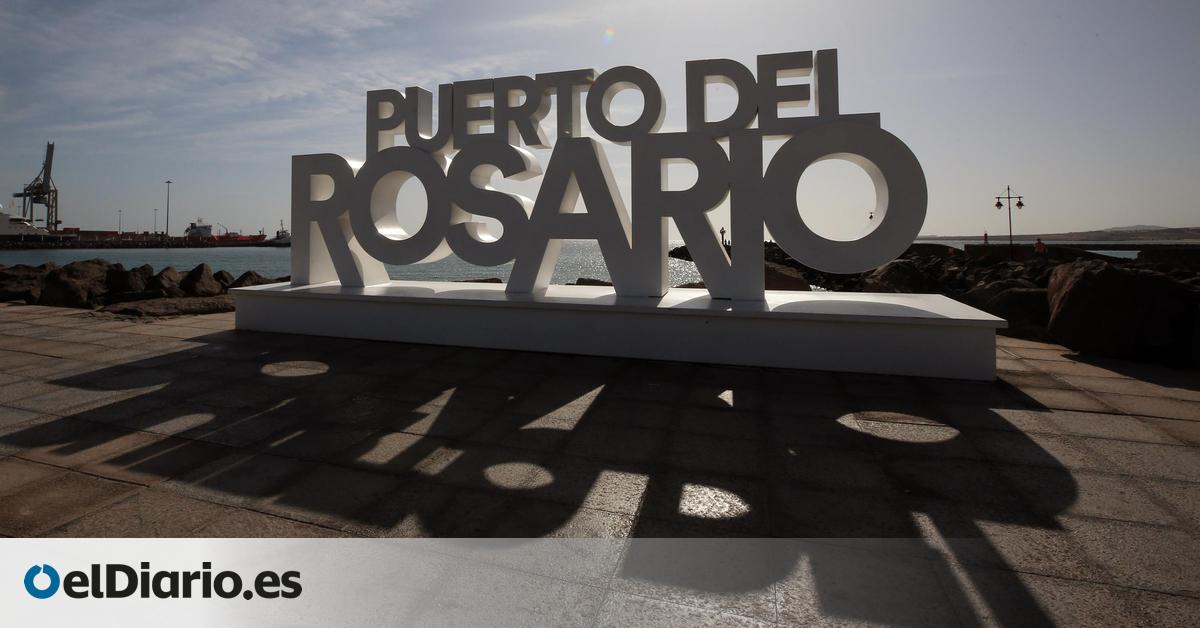
In a heartfelt movement to embrace its heritage, the El Efequén heritage association has initiated a campaign aimed at restoring the historical name of Puerto de Cabras. This name, which once graced the capital of Fuerteventura, was changed to Puerto del Rosario by the Council of Ministers in 1956. The campaign seeks to rekindle a connection with the island’s past and honor the unique cultural identity associated with the original name.
A Gathering of Community Voices
Recently, around 50 enthusiastic individuals turned out for a community meeting organized by El Efequén. This gathering served as an important platform to unveil the proposal and discuss the roadmap towards possibly holding a public consultation. The turnout signifies a growing interest in local history and a desire for community engagement in matters that shape their shared identity.
Speaking for Heritage
Jesus Giráldez, the spokesperson for El Efequén, emphasized the organization’s role in safeguarding the cultural heritage of Fuerteventura. He articulated the significance of recovering linguistic heritage like place names, which reflect the island’s history. Giráldez believes that restoring the designation of Puerto de Cabras, lost exactly 70 years ago, would honor the historical spirit of the area.
A Symbol of Pride
Highlighting the cultural richness of the island, the historian noted the goat as a powerful symbol of Fuerteventura. Instead of being something to shy away from, Giráldez asserts that the identity surrounding the goat—and by extension, the name Puerto de Cabras—should be celebrated and revered. This sentiment resonates with many locals who cherish the island’s unique fauna and cultural markers.
Support from Local Officials
The meeting also attracted notable members of the local government, including the mayor, David de Vera, and the heritage councilor, David de León. The mayor expressed his support for the idea of a public consultation, emphasizing that it is crucial for citizens to have a say in whether to revert to the name Puerto de Cabras or retain the current one. This openness to community input reflects a broader shift towards participatory governance.
What’s in a Name?
De Vera proposed a nuanced approach to the name change, suggesting that it could either encompass the entirety of Puerto del Rosario or be restricted to the historical core of the city. This flexibility indicates an awareness of the diverse sentiments surrounding the potential name change and aims to honor both historical and modern perspectives.
Historical Significance on Maps
The name Puerto de Cabras has a storied past, first appearing on a map by Venetian cartographer Giacomo Giroldi in 1426. Its mention re-emerged in the later 16th century when engineer Leonardo Torriani created a map detailing the defenses needed for the Canary Islands at the behest of King Philip II. This historical context enriches the ongoing discussion about reclaiming the name and its significance within the island’s narrative.
Steps Towards a Change
The call for a name change saw an administrative shift in 1955 when the local government initiated a process that eventually led to the alteration of the original name. The prevailing reasons at the time were backed by bureaucratic authorities amidst a backdrop of a dictatorial regime. The acknowledgement of this change has stirred ongoing feelings about cultural identity and authenticity.
Moving Forward
Reflecting on the meeting’s outcomes, Jesus Giráldez expressed satisfaction with the progress made, reaffirming the collective goal of bringing the proposal to the local government. The ambition is to leverage citizen participation regulations to pave the way for a public vote on whether to retain the current name or restore Puerto de Cabras. This democratic approach embodies the spirit of community engagement and collective decision-making.
Engaging the Community
The essence of the campaign is rooted in the belief that local residents should have the ultimate say in their heritage. The push for a consultation is seen as a vital step to ensure community involvement in the process of reclaiming historical identity. It acknowledges the importance of listening to diverse opinions while fostering a sense of belonging and pride among the inhabitants of Fuerteventura.
As discussions continue and the campaign gains momentum, the possibility of reinstating Puerto de Cabras remains a poignant topic, echoing a community’s desire to honor its history and embrace its unique cultural legacy.