NATO in Crisis: A Call for Unity and Responsibility
NATO, the North Atlantic Treaty Organization, is facing a significant crisis that threatens the very fabric of the alliance. Several member countries have recently refused to allow the United States—often regarded as the backbone of NATO—to utilize their bases and airspace for military operations against Iran. This refusal has sparked frustration within the Trump administration and raised serious questions about NATO’s future and its collective defense commitments.
The Spanish Dilemma
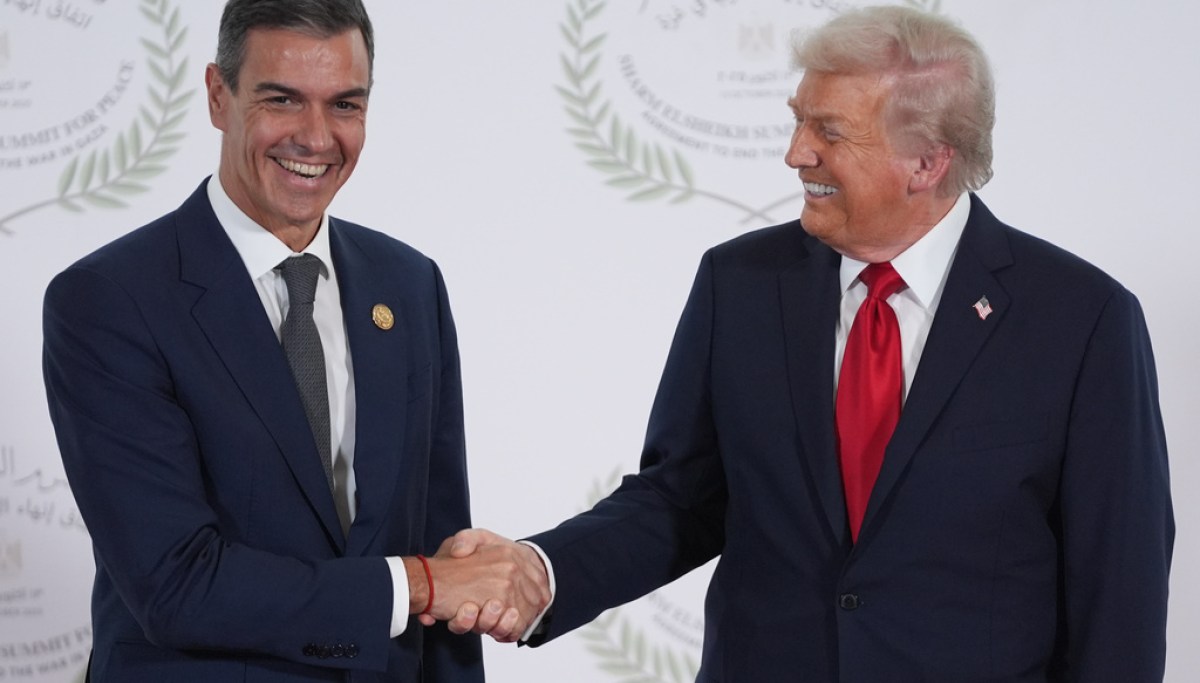
Among the nations that have notably faltered in their support is Spain, under the leadership of Prime Minister Pedro Sanchez. Spain’s reluctance to cooperate with U.S. military operations not only undermines the alliance but also disrespects the American taxpayers who contribute significantly to Spain’s security. The U.S. has long been the primary provider of defense for many European nations, and Sanchez’s government appears to be turning a blind eye to this reality. The message is clear: the era of treating the U.S. as a “sucker” must come to an end.
Operation Epic Fury: A Necessary Response
In response to the escalating threat posed by Iran, the U.S. and Israel launched Operation Epic Fury. This operation aims to dismantle Iran’s capabilities to project power beyond its borders, particularly its nuclear and ballistic missile programs. Iran’s status as a leading state sponsor of terrorism and its use of proxies to destabilize neighboring countries make it a shared threat not just to the U.S., but to Europe as well. The Iranian regime has demonstrated its ability to reach European capitals with intercontinental ballistic missiles, making the need for a united front more urgent than ever.
The European Stakes
The implications of a nuclear-armed Iran extend beyond the Middle East. European nations, many of which have become demilitarized and overly reliant on American defense, would be the first to suffer should Iran leverage nuclear blackmail. The recent Iranian efforts to choke off the Strait of Hormuz highlight the precarious situation. Furthermore, Iran’s support for Russia in its ongoing conflict in Ukraine underscores the interconnected nature of these global threats.
NATO’s Passive Cooperation
Despite the clear and present danger, several key NATO allies, including Britain, France, and Spain, have declined to allow the U.S. to use their bases and airspace. President Trump emphasized that the U.S. was not asking for troops or resources, but merely for passive cooperation. This refusal to assist, especially after warnings from U.S. officials about NATO’s future, raises serious concerns about the alliance’s cohesion.
Spain’s Financial Shortcomings
Under Sanchez, Spain has become a problematic member of NATO. While other nations have agreed to increase their defense spending to meet the 2% GDP guideline, Spain lags significantly behind, contributing only around 1.28% to 1.32%. This lack of commitment not only undermines the alliance but also places an unfair burden on those countries that are fulfilling their obligations.
Cozying Up to Adversaries
Adding to the complexity of Spain’s position is its growing relationship with the Chinese Communist Party. In July 2025, the Spanish government awarded a multibillion-dollar contract to Huawei Technologies, a company widely regarded as a security threat by the U.S. This decision raises questions about Spain’s commitment to NATO and its alignment with American interests.
A Tale of Two Allies
While Spain has resisted U.S. military cooperation, its neighbor Portugal has stepped up, offering the use of Lajes Air Base. This contrast highlights the varying levels of commitment among NATO members. Great powers recognize who their allies are, and the U.S. may need to reconsider its military assets and commitments in Spain in favor of more reliable partners like Portugal.
The Future of NATO
NATO has been one of the most successful military alliances in history, but it was established in a different era to counter the Soviet threat, which has long since dissipated. Many European nations have expanded their welfare states while relying on American defense, creating an unsustainable situation. As the U.S. pivots its focus toward the Indo-Pacific and the rising challenge posed by China, it is imperative that European partners take on a greater share of the defense burden.
A Call to Action
The need for action is urgent. When former Secretary of Defense Robert Gates delivered his farewell speech in 2011, he warned NATO partners that they needed to step up. That was 15 years ago, and the time for mere words has passed. NATO’s future hinges on the willingness of its members to act decisively and responsibly in the face of shared threats. The stakes have never been higher, and the call for unity has never been more critical.