Clash of Administrations Amid Coastal Repair Efforts in Pozo Negro
Introduction to the Situation
A recent episode in Pozo Negro has highlighted the ongoing struggles among various governmental bodies when it comes to acting within public domains along the coast. As weather patterns become increasingly erratic, the need for immediate action to address the consequences of these natural events has become crucial, yet complicated by bureaucratic regulations. The local administration is caught in a situation that demands their swift action while navigating the intricate machinations of legal authority.
Damage Assessment from Storm Therese
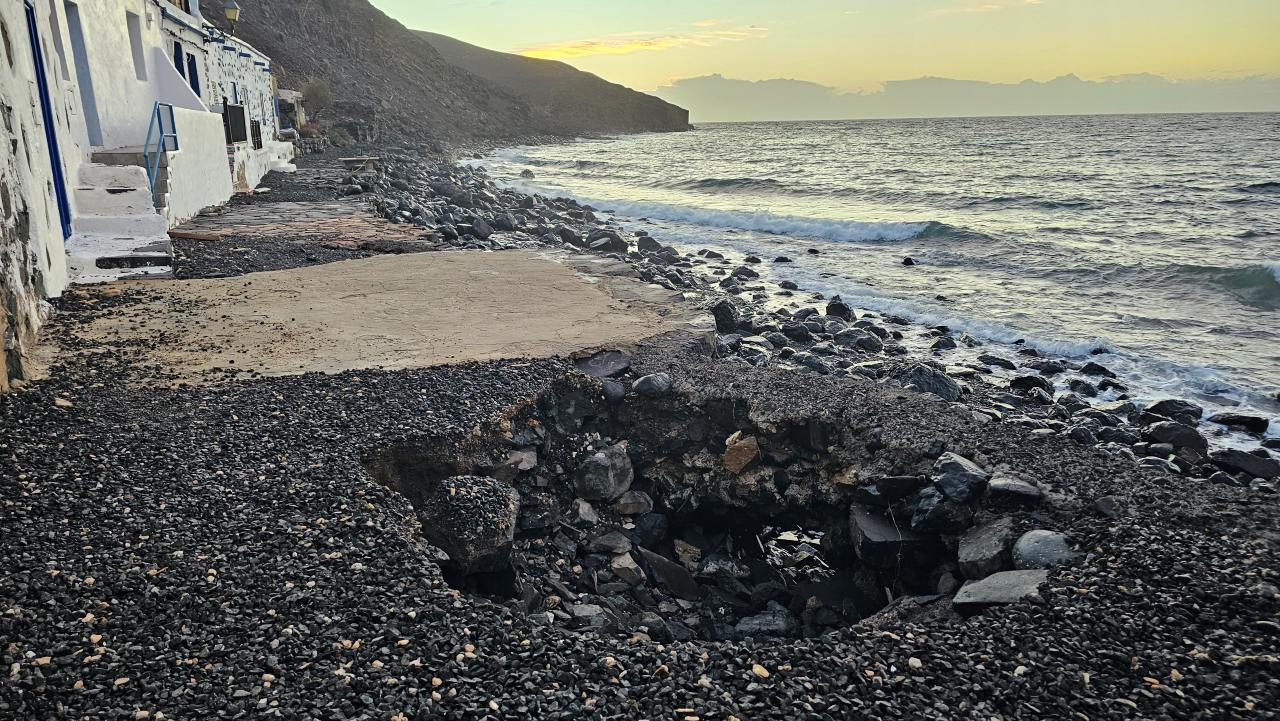
The local council of Antigua urgently requested permission from the General Directorate of Coasts to initiate repairs following the damage inflicted by Storm Therese. This severe weather event left multiple potholes and erosion issues in Pozo Negro, particularly affecting areas adjacent to homes located right at the shoreline. The council communicated that these damages pose observable risks not only to residents but also to numerous families who frequently visit the area.
Accompanying the announcement, images shared by the municipality illustrated the disruption in this popular spot, an essential part of the maritime-terrestrial public domain. The striking visuals of the erosions underscore the severity of the situation, bringing the concerns of local residents to the forefront.
Public Safety Concerns
Local authorities, emphasizing community safety, have voiced their distress over the deteriorating conditions. Mayor Matías Peña stressed that without authorization from the Coast Directorate, they cannot directly intervene to repair the damages. This bureaucracy creates a frustrating cycle for the municipality, as they are held back from taking immediate action that many residents deem essential, especially during peak tourism periods.
The mayor’s frustration may resonate with many residents who have experienced similar frustrations in the past, as they witnessed slow governmental responses to pressing safety issues. Moreover, it is worth noting that the local council faced penalties the previous year after undertaking emergency repairs without the necessary clearances.
Broader Request for Assistance
The plea from the Antigua Council extends beyond just Pozo Negro. It encompasses various other coastal areas that suffered damage during the recent weather disturbances. The request for aid has also been conveyed to the Cabildo of Fuerteventura, indicating a coordinated effort to tackle the pervasive issues arising from extreme weather events that affect multiple coastal communities.
The backdrop for these discussions has been a quick succession of varying weather phenomena. Following the storm, a prolonged dusty period gave way to sunnier, more stable conditions by the Holy Week, spotlighting the urgent need for repairs during times when residents and visitors are keen to enjoy the coastal scenery.
The Impasse with Regulatory Bodies
The friction between local administrations and regulatory bodies regarding coastal management is not new. Antigua’s request reveals the complexities that arise when local government efforts to protect and maintain their communities face intergovernmental restrictions. The council’s prior sanction by the Coast Directorate serves as a cautionary tale of how quickly good intentions can be met with administrative penalties.
Local officials reported that numerous inhabitants, including those who typically vacation in Pozo Negro, expressed dissatisfaction upon discovering the damages and risks as they arrived for their seasonal retreat. The municipal authorities are facing mounting pressure to act promptly and effectively, not only to maintain public safety but also to uphold community trust.
The Role of the Government of the Canary Islands
The Government of the Canary Islands is attempting to navigate through this maze of conflict. With increased powers concerning coastal management shifting from federal to regional control, officials have projected initiatives aimed at regularizing the development of coastal areas like Pozo Negro. However, tangible progress remains elusive, leaving community members wary of the bureaucratic complexities hanging over their vital coastal spaces.
Efforts to stabilize and better manage coastal areas have become critical, particularly in light of the fluctuations observed in weather patterns, which have underscored the vulnerability of such regions. Residents are left hopeful that the ongoing discussions and determined requests for clearer regulations will lead to more assured actions in the near future.
Conclusion
The situation in Pozo Negro serves as a cautionary narrative of the intricate relationships between local authorities and regulatory bodies. The urgency for repairs amidst bureaucratic delays casts a spotlight on the ongoing struggles faced by coastal communities, revealing a stark reality: that environmental factors and administrative complexities often collide, leaving residents and their safety hanging in the balance. As local councils pursue their requests for urgent action, the resultant tension raises the question of how best to manage coastal areas amidst growing weather challenges.