Naturalization of the Jandía Salt Marsh: A Step Towards Sustainable Tourism in Fuerteventura
The picturesque island of Fuerteventura, known for its stunning landscapes and commitment to sustainability, is about to embark on a significant environmental project aimed at enhancing its natural beauty and preserving its ecological treasures. The project, known as “Naturalization of the Jandía Salt Marsh,” is a pivotal part of the broader Sustainable Tourism Plan titled ‘Fuerte por naturaleza’, coordinated by the Cabildo of Fuerteventura in collaboration with various local authorities and funded by European initiatives.
Background and Importance
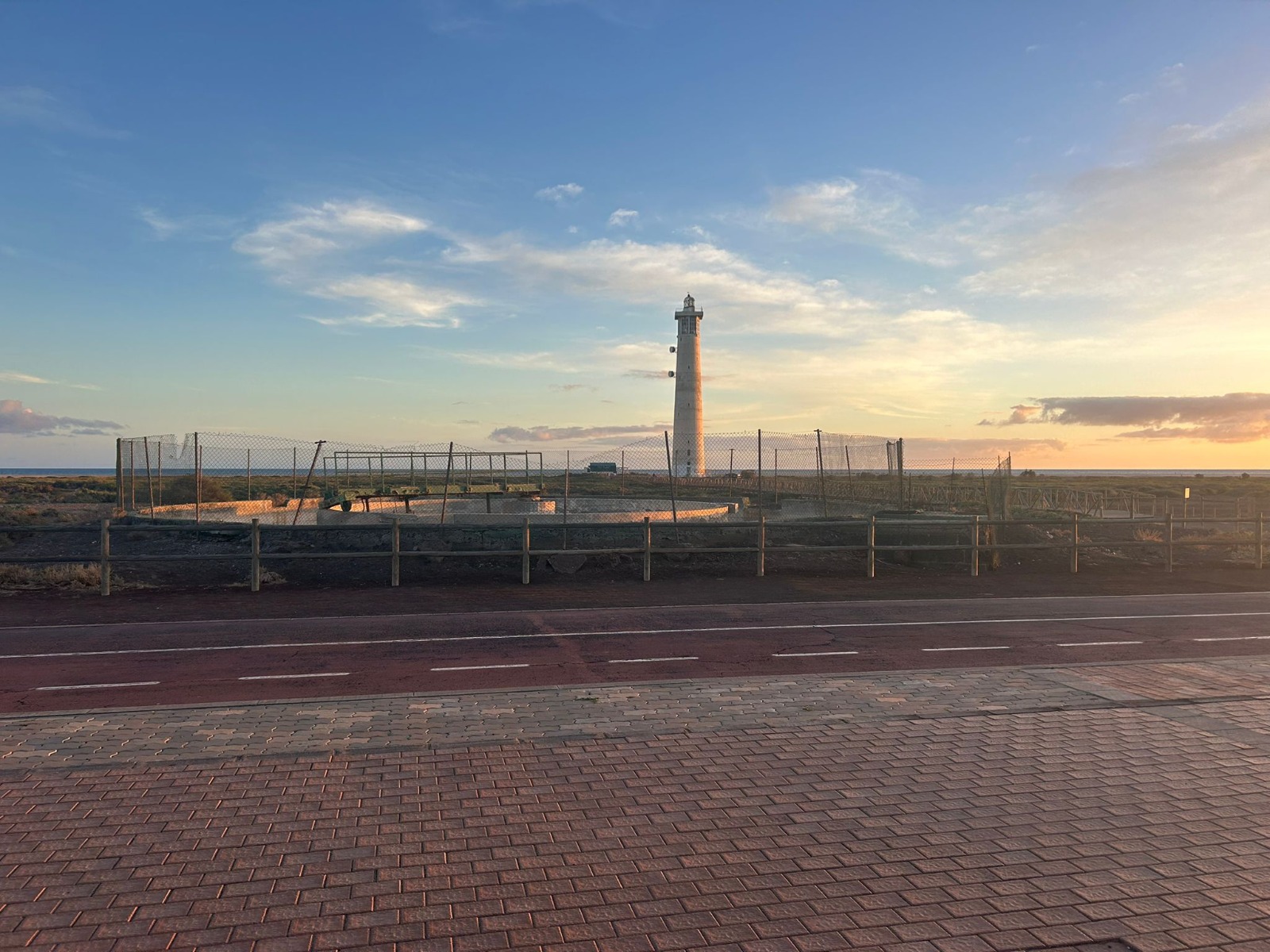
The decision to initiate this project reflects the Cabildo’s long-held commitment to environmental preservation. The Cabildo de Fuerteventura has entrusted the execution of this project to Tragsa, its own specialized agency, emphasizing the need to restore and improve vital ecological areas within the island. With a budget of nearly 250,000 euros, the project promises to dismantle the outdated wastewater treatment plant located at Playa del Matorral, transforming the area into a natural landscape filled with indigenous plant species.
President Lola García of the Cabildo underscores the significance of safeguarding Fuerteventura’s rich natural heritage. “This initiative aligns with our goals to conserve one of the most scientifically important areas in Fuerteventura and, more broadly, in the Canary Islands—the Jandía Salt Marsh,” she explains, highlighting the collective responsibility to protect the island’s unique environment.
Aiming for Sustainable Tourism
The Fuerte por naturaleza program aims to position Fuerteventura as a leading destination for sustainable tourism. According to Marlene Figueroa, the tourism counselor, European funding facilitates impactful projects that enhance both the island’s appeal to visitors and the environmental quality for its residents. “This not only elevates our standing as a tourist destination but also yields significant ecological benefits,” she notes.
Technical and Environmental Considerations
Infrastructure counselor Blas Acosta emphasizes the need for an environmentally sensitive approach while undertaking work in the delicate ecosystem of the Jandía Salt Marsh. The approved project signifies a transition from planning to action, moving from paperwork to tangible restoration efforts. The dismantling of the old wastewater treatment facility will allow for the restoration of the natural contour and geography of the land previously occupied by the plant, promoting ecological rehabilitation.
Once dismantled, the area will undergo revegetation using native plant species, including Chenoleoides tomentosa, Salsola vermiculata, Tetraena fontanesii, and several specimens of Tamarix canariensis. This replanting is crucial not only for aesthetic reasons but also for maintaining the integrity and conservation status of the Maritime Terrestrial Public Domain.
Collaborative Efforts for Ecological Restoration
The project represents a significant collaborative effort, not only involving the Cabildo but also the Pájara City Council. Together, they aim to restore the ecological health of a prominent site recognized for its scientific importance. This partnership signifies a unified approach to environmental stewardship that aligns with the broader goals of sustainable development.
The overarching funding for this endeavor comes from the Next Generation EU initiative, an EU recovery plan designed to support projects that advance sustainability and resilience in member states. By tapping into these resources, Fuerteventura positions itself to enhance local biodiversity while reinforcing its identity as a pioneer in sustainable tourism.
Conclusion (Omitted)
In short, the Naturalization of the Jandía Salt Marsh project represents a crucial step for Fuerteventura towards ecological restoration and sustainable tourism. With the backing of both local and European authorities, the island is set to become a beacon of environmental preservation and a model for other regions aiming to balance tourism with ecological integrity. The anticipation surrounding this initiative reflects the community’s collective hope for a greener, more sustainable future.