The Roman Footprint in Lobos: Unveiling a Hidden Treasure
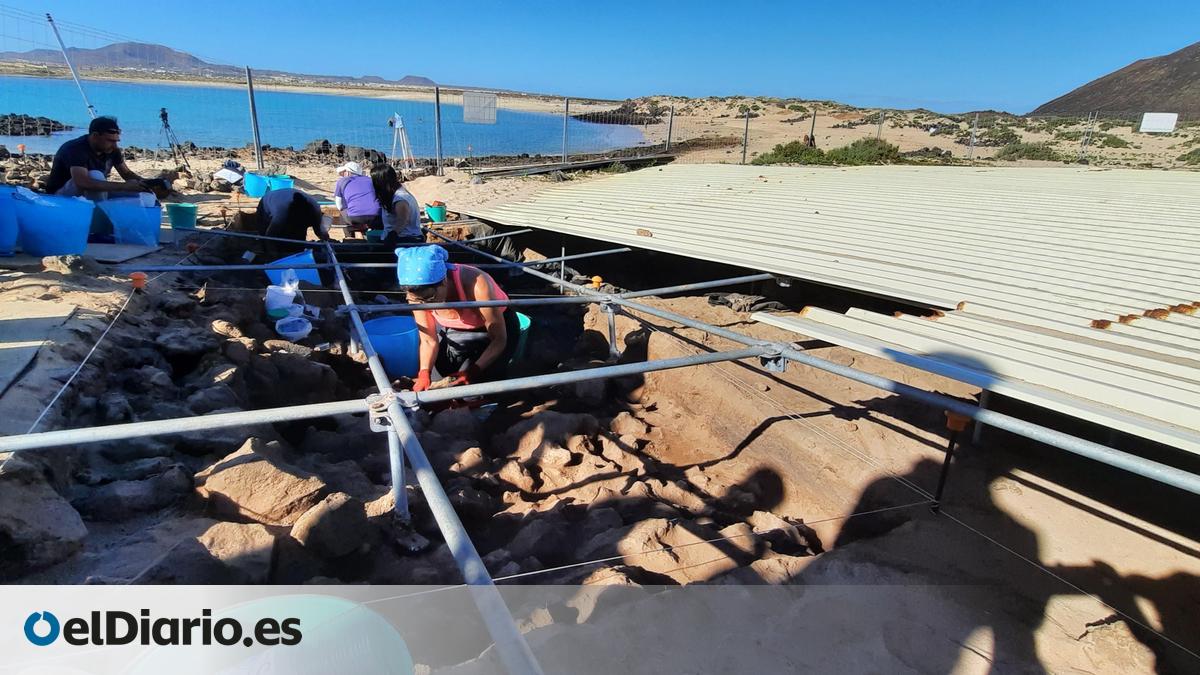
“Of course, we must musealize Lobos. This challenge lies ahead, and our research has been building on the idea that this realization can take place,” fiercely states Carmina del Arco, the archaeologist overseeing excavations at the only Roman site in the Canary Islands. Discovered a decade ago by tourists exploring this small islet north of Fuerteventura, the site has become a focal point for understanding the Roman influence in the archipelago.
A Treasure for Archaeology
Del Arco emphasizes that “Lobos is a privilege for archaeology and the history of the Canaries.” This Roman settlement is unique as it lacks any vestiges of indigenous populations from North Africa; it solely reflects Roman cultural influences. This site signifies Rome’s interest in exploiting natural resources in the Canaries, primarily functioning as a rudimentary factory for producing purple dye—a highly valued commodity in Roman society, historically tied to the prestigious status of its wearers.
The initial discovery occurred in 2012 when tourists unearthed remnants of pottery half-buried in the sandy shores of La Concha beach. Since then, archaeologists have been uncovering layers of history.
Finding Clues from the Past
This archaeological site, approximately 2,000 years old, has yielded artifacts indicating use from the late 1st century BCE to the mid-1st century CE. Isidoro Hernández, co-director of the excavation and deputy director of the Fuerteventura Archaeological Museum, asserts that “we are facing the southernmost Roman site in the Atlantic,” fueled by Romanized populations from Gades—modern-day Cádiz—and from the Lower Guadalquivir region.
The dating of the excavated ceramics and animal remains, mainly goats and sheep, corresponds with historical timelines around the era’s transition. According to Luis Mata, director of the Fuerteventura Archaeological Museum, these findings affirm that Lobos is “the oldest archaeological site in the Canary Islands,” contradicting the previously held beliefs about pre-Hispanic settlements.
A Unique Opportunity
The Roman settlement at Lobos represents a rare find: “not only at the primary archaeological level but also in providing insight into the organized lifestyle of purple dye workers,” says del Arco. This aspect is particularly significant as it showcases workers’ spatial organization not easily observed at other Roman dyeing sites on the Mediterranean coast, which have been dramatically altered by human activity.
Hernández further argues for the need to create a museum or archaeological park that would facilitate both preservation and research while allowing public access to this vital historical site. The Lobos 1 site covers 600 square meters, expanded by the 18 meters excavated in the recent digs. Del Arco indicates that portions of the site remain protected and unexcavated but are earmarked for future archaeological investigations, holding exciting potential for new discoveries.
Scientific Exploration and Techniques
Before artifacts make their way to the Fuerteventura Archaeological Museum (MAF), they undergo rigorous analysis in laboratories at the Tenerife Museum of Nature and Archaeology (MUNA) and various research centers involved in this multi-disciplinary project. Mercedes del Arco Aguilar, co-director of the Lobos excavation, explains the process of reconstructing ceramics and analyzing the contents to uncover their original uses.
This meticulous scientific work provides crucial insights into everyday activities, revealing the types of food, tools, and resources utilized by the ancient inhabitants. The presence of various marine and terrestrial food sources indicates a complex dietary structure, while the extensive study of remains, including cetaceans, hints at the diverse environment of the settlement.
Recent Discoveries
The latest excavation, which culminated in recent days, unveiled an area rich with evidence of daily life, including pottery, tools used in dye production, and organic waste that indicates the dietary habits of its former inhabitants. So far, approximately 185,000 mollusks have been unearthed, primarily from the species stramonita, which could yield dye for up to 26 kilograms of wool—a minuscule amount that suggests this was not a permanent settlement. Workers likely returned to their original homes after each harvest cycle, which lasted about four months annually.
Vision for the Future
Fuerteventura’s local government, represented by Cabildo president Sergio Lloret, fosters a vision for establishing an archaeological park that would enhance both preservation efforts and public engagement with this historical site. Plans for the development are underway, emphasizing the need for infrastructures that will support continued research and facilitate visitor access.
Rayco León, the Cabildo’s historical heritage advisor, envisions Lobos as integral to the rich tapestry of the island’s cultural offerings. Meanwhile, the MAF is augmenting its collection with newly discovered materials, including a lead cauldron used in purple dye production.
The Unwritten Story of Lobos
Historically, Lobos was minimally inhabited, primarily dwelling on its identity as a lighthouse islet. This isolation has preserved its archaeological integrity, with ancient Rome’s narrative still waiting to be fully unveiled. Each excavation brings us closer to understanding the daily lives of its inhabitants and the wider implications for civilization at the limits of the Roman Empire.
As excavations continue and research deepens, Lobos promises to reveal significant insights into a pivotal era of history, underscoring the need for dedicated preservation efforts to protect this vital piece of the Canary Islands’ heritage.