Eco-Innovation Takes Center Stage in Fuerteventura’s Business Landscape
Exploring how renewable energy startups are reshaping the island’s economy.
Fuerteventura, the sun-drenched gem of the Canary Islands, is experiencing a transformative shift as renewable energy startups pave the way for a sustainable future. With an abundance of natural resources, including strong winds and ample sunlight, entrepreneurs are seizing the opportunity to harness these elements and innovate within the green sector. This surge not only enhances environmental consciousness but also positions the island as a frontrunner in sustainable tourism and eco-friendly business practices.
Recent initiatives by local entrepreneurs underscore the growing momentum in eco-innovation. These startups are launching various projects aimed at reducing carbon footprints and embracing sustainable methodologies. From solar energy farms to wind turbine installations, these ventures are not only pivotal in reducing reliance on fossil fuels but also serve as catalysts for job creation in green technologies. As Fuerteventura forges ahead, the integration of sustainable business practices is likely to attract further investment, fostering economic growth while preserving the island’s natural beauty.
The collaborative spirit in Fuerteventura’s entrepreneurial ecosystem is palpable, with local government support playing a crucial role in aiding these green startups. Grant programs and resource-sharing initiatives help budding businesses thrive while ensuring that the local community reaps the rewards of innovation. As Fuerteventura continues to embrace this eco-friendly trajectory, the island is set to become a model for sustainability—a promising call for both investors and eco-conscious travelers alike.
Source: Gobierno de Canarias
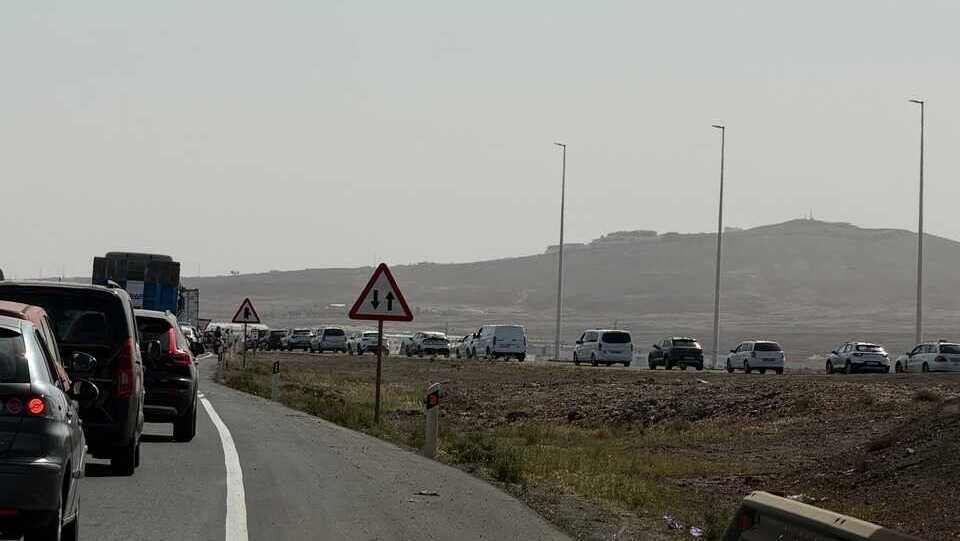
The first vice president and Minister of Infrastructure, Blas Acosta, describes as “unbearable” the daily congestion in the corridor that connects the airport with El Matorral and Caleta de Fuste, a stretch that already supports 26,000 vehicles daily. The figure far exceeds initial forecasts and has turned the road into a structural black spot. “It’s being unbearable,” he acknowledged, in an interview on the program La Voz de Fuerteventura, on Radio Insular. And the traffic jams are repeated almost daily, especially on days of high tourist arrivals and during peak work hours, causing significant queues and desperation among drivers who demand solutions. Acosta identifies several factors as causing this situation. On the one hand, traffic lights at the access to El Castillo, bus stops in El Matorral that slow down the main flow and saturated roundabouts at the access to the Antigua industrial estate. Added to this is the mix of heavy traffic, tourist transport and drivers traveling at different speeds. Blas Acosta in the program La Voz de Fuerteventura, on Radio Insular Despite the double lane access to the industrial zone – enabled a few months ago and which significantly improved the flow of traffic in the area – the truth is that with the increase in traffic, the problem only grows. The island corporation has been demanding structural solutions for years. Among them, the unfolding of the road to convert it into an avenue with greater capacity. “The idea was to unfold it,” recalls Acosta, who insists on the need for authorization from the Government of the Canary Islands to intervene on a road that is not the direct responsibility of the Cabildo. Since the beginning of the previous legislature, he said, the Council has been requesting authorization to be able to draft the project and carry out actions. He is confident that “between now and the end of July we can have some authorization to be able to collaborate with the drafting of that project to be able to execute part” of the intervention and help partially alleviate the situation. Among the measures, it is considered reorganizing public transport stops, improving intersections and carrying out specific actions to reduce congestion. The objective is to gain capacity while the southern highway advances. Caldereta-Tetir, more than two years late The pressure on the road network is aggravated, according to the counselor, by the delays in other strategic actions. Acosta directly points to the work between Caldereta and Tetir as an example of administrative slowness. The counselor speaks of “sloppiness” in the processing of the reform of the project and in the updating of prices. In his opinion, the section should have been completed a long time ago. “It should have been finished a couple of years ago,” he says. Although the partial opening is expected in the coming months, Acosta does not hide his skepticism. The vice president points to accumulated delays and questions announcements that, in his opinion, do not solve the underlying problem. The concern is that the infrastructure will arrive late to an island that has steadily increased its traffic. Acosta also questions technical decisions in the execution, such as tests with experimental asphalts. He defends that the priority must be to accelerate the work with conventional and safe solutions, avoiding new delays.
Originally reported by www.lavozdefuerteventura.com, rewritten by the Fuerteventura Times AI Editorial Desk.