The Mysterious Blue Dragon: Glaucus Atlanticus
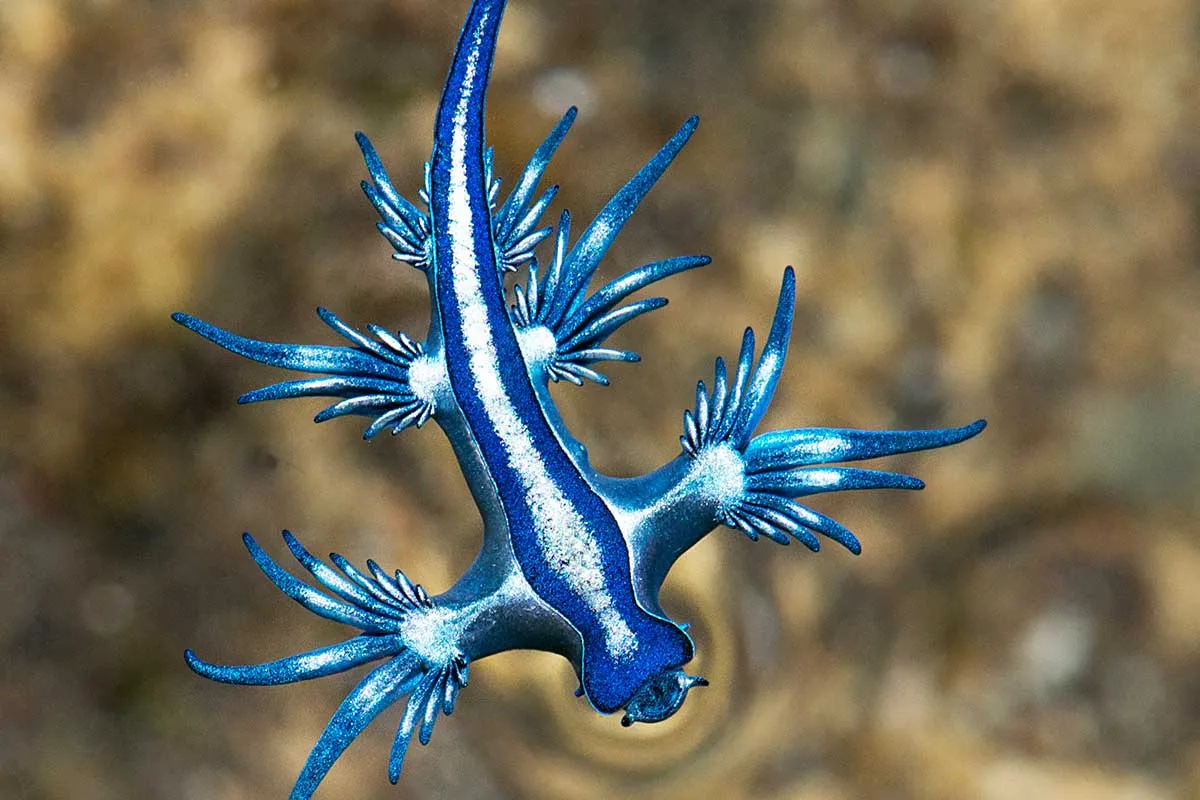
If you’ve ever wandered along the shores of the Canary Islands, it’s possible you’ve encountered a fascinating yet dangerous creature known as the Glaucus atlanticus, or more commonly, the Blue Dragon. At a glance, these diminutive marine gastropods, measuring between two and four centimeters, are a visual marvel. Their elongated bodies, sharp tails, and six appendages paired with a captivating mix of blue and silver hues make them a striking sight in the ocean’s milieu.
Beauty Cloaked in Danger
Despite their ethereal beauty, the Blue Dragon carries a potent venom that surpasses that of the Portuguese Man o’ War. While a sting is not necessarily lethal, it poses significant risks, including intense pain and potential fainting. This toxic defense mechanism makes it a marvel of evolution; the Blue Dragon has traded the brute force of a shell for chemical warfare.
Recent sightings have been reported in Corralejo, particularly between Las Agujas and Las Grandes Playas. Local authorities advise beachgoers to exercise caution and avoid interaction with these creatures. “Refrain from touching or disturbing them; they usually won’t attack unless provoked,” states a representative from the local government.
An Emotional Connection with Nature
Known affectionately by some as “sea butterflies,” these creatures embody a delicate balance within marine ecosystems. Their presence serves as a reminder of nature’s intricate beauty, but also its hidden dangers. Experts emphasize the need for respect toward wildlife. Admiring these creatures from a safe distance is essential for both human safety and the well-being of the Blue Dragons themselves.
Stings and Symptoms
If sting encounters do occur, the consequences can be severe, sometimes leading to excruciating pain that may cause victims to lose consciousness. The venom can result in rashes and intense discomfort upon contact with skin. Given the potential for serious reactions, local health authorities recommend contacting emergency services should a sting happen.
Seasonal Arrivals
While the presence of the Blue Dragon along the coasts of the Canary Islands is not unprecedented, they are not commonly spotted on local shores. Their appearance is most frequent during the autumn months, often driven ashore by shifting tides, which can cause them to wash up in shallow waters or tidal pools. This seasonal arrival adds to their mystique and serves as an excellent opportunity for marine enthusiasts to witness them, albeit from a safe distance.
Conservation Perspective
This unique mollusk’s rare appearances highlight the delicate ecosystems surrounding the Canary Islands. Conservationists stress the importance of protecting such marine life. Rather than attempting to capture or harm these remarkable creatures, the emphasis should be on observation and appreciation.
Locals and tourists alike are encouraged to marvel at their beauty in their natural environment. The Blue Dragon plays a vital role in the marine habitat, and their existence speaks volumes about the health of our oceans. By fostering an attitude of respect towards these marine inhabitants, we can help maintain the delicate balance of our ecosystems.
Final Thoughts
In summary, the Glaucus atlanticus is a stunning example of nature’s artistry—vivid, captivating, and yes, dangerous. Awareness and respect for their habitat ensure that these “sea butterflies” continue to inspire awe without posing a threat to unwitting bathers. Whether you’re a local or a traveler, let’s cherish this remarkable creature from afar, admiring its beauty while keeping safety a priority.