Unveiling the Truth Behind the Legends of Casa Winter in Cofete
In the picturesque town of Cofete, located on the island of Fuerteventura, lies a story steeped in both intrigue and misconception. Casa Winter, an imposing structure built by the German engineer Gustavo Winter, has long been entangled in a web of myths, particularly those relating to its alleged connections with Nazi Germany. The upcoming event on July 23, 2025, at 19:30 in the Gran Tarajal Cultural Center aims to shed light on these misleading narratives, focusing on the real history of Winter and his monumental creation.
The Event and Its Significance
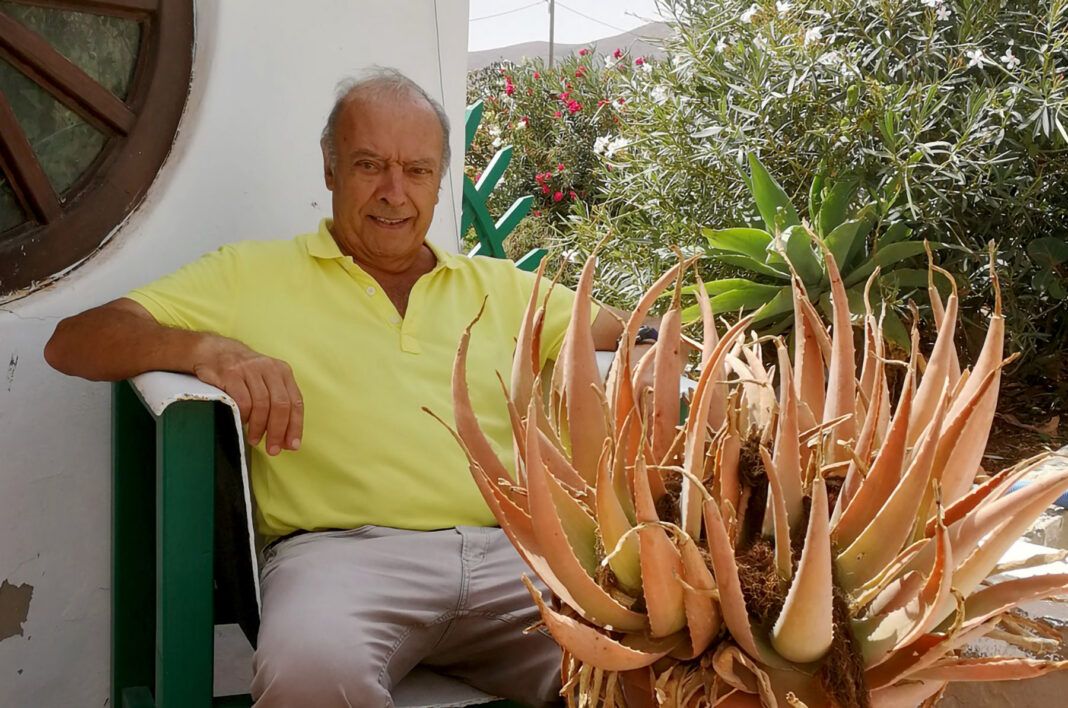
The upcoming presentation features Gustavo Winter Althaus, the son of the late engineer, who seeks to unravel the layers of legend surrounding his father’s life and work. In collaboration with Luis Abaroa Garro, Winter Althaus will discuss his book, “Casa Winter Cofete. Un alemán, un lugar, una casa”, where he meticulously examines the truth behind the myths. This event is anticipated not just as a book launch, but as a cultural moment that reclaims history that has been misunderstood and misrepresented over the decades.
The Book: A Deep Dive into History
In “Casa Winter Cofete,” Winter Althaus undertakes a detailed investigation into various historical sources, including war archives, period newspapers, and family correspondence. By meticulously piecing together these documents, he aims to portray an authentic narrative that counters the sensationalized stories proliferated by social media in recent years. The book highlights not just the architectural significance of the chalet but also the life of its builder, restoring his legacy to the forefront of the historical conversation.
The Myths and Misunderstandings
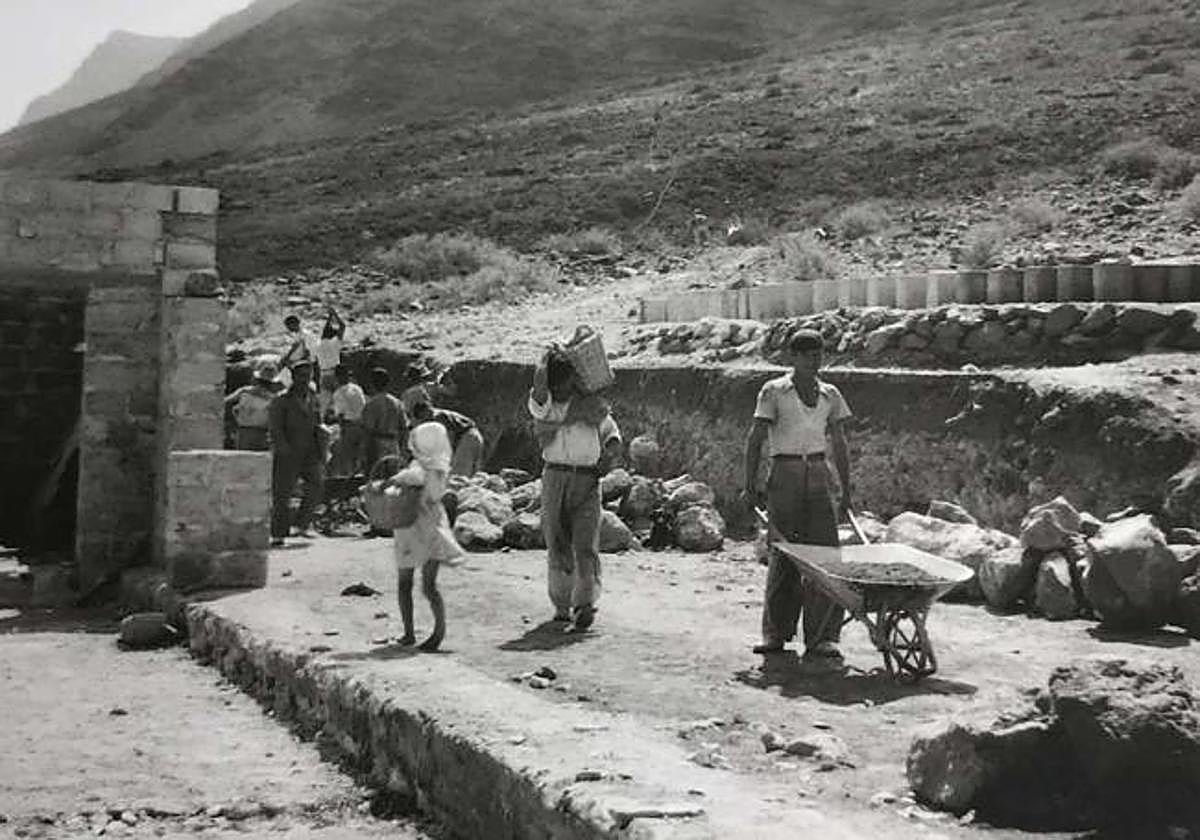
One of the principal myths surrounding Casa Winter is its supposed connection to Nazi activities, including notions of being a refuge for Adolf Hitler or a base for German submarines during the war. However, Winter’s construction of the chalet began in October 1946, approximately 18 months after World War II had ended, and concluded in 1955. This timeline is crucial in debunking the myths that have clouded the historical understanding of the structure.
Social media has played a significant role in the dissemination of these legends, often without proper context or factual basis. Winter Althaus’s research provides a counter-narrative, urging the public to consider the documented history over sensationalized fiction.
The Legacy of Gustavo Winter
Gustavo Winter (1893-1971) was more than just the builder of Casa Winter; he was a multifaceted individual with a background that shaped his ambitions and dreams. Originally from Germany, Winter built a life as an engineer in Gran Canaria after the war. His experiences and choices were integral in the construction of Casa Winter, transforming the barren landscape of Cofete into a home that would tell a different story—one of resilience and personal ambition, rather than belonging to historical conspiracies.
The Importance of Historical Accuracy
Accurate representation of the past is essential for communities and scholars alike. The myths surrounding Casa Winter not only misinterpret individual history but also distort the cultural narrative of Fuerteventura. By emphasizing the need for critical examination of history, particularly in the age of social media, Winter Althaus’s work stands as a vital call for informed understanding.
As the date for the event approaches, there is a growing excitement within the community about unearthing the truth behind the stories that have enveloped Casa Winter. It is an opportunity for both locals and visitors to engage in meaningful dialogue about history, memory, and the ways in which narratives are constructed and deconstructed over time.
An Invitation to Explore
For those interested in history, folklore, or simply the rich tapestry of Fuerteventura’s past, attending the presentation of “Casa Winter Cofete” promises a unique exploration of these themes. Understanding the truth behind Casa Winter offers a chance to appreciate the nuances of history, as well as the individual stories that compose it.