Understanding Brazil’s Strategic Partnership with Spain in Critical Minerals
The Brazilian Government has recently taken a significant step forward by signing a strategic agreement with Spain aimed at fostering international cooperation in the realm of critical minerals. This initiative is not just about enhancing investments; it also focuses on technological innovation and strengthening Brazil’s national industry in the context of evolving global economic dynamics.
The Significance of the Agreement
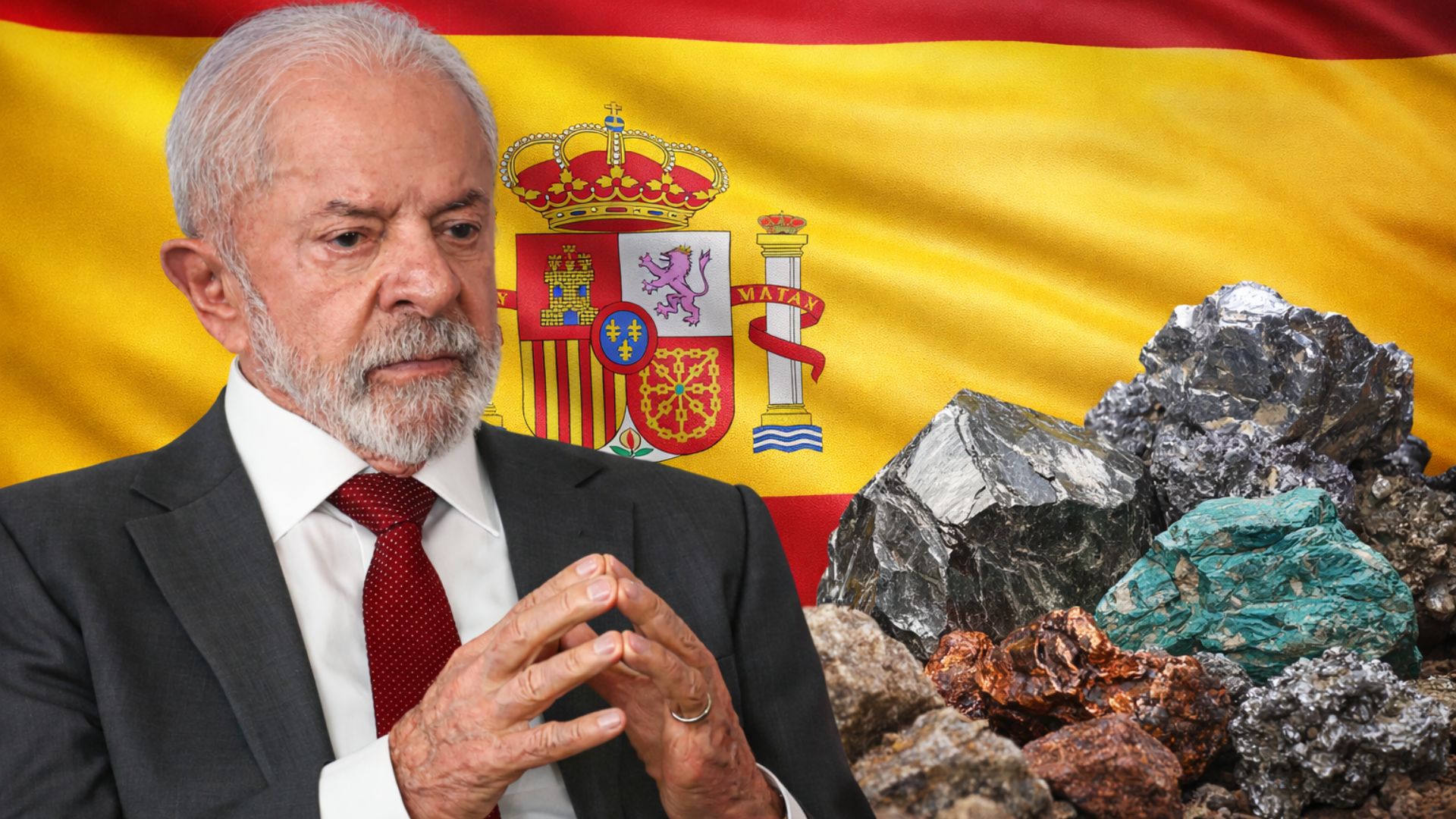
On April 17, during an international summit attended by President Luiz Inácio Lula da Silva and Minister of Mines and Energy Alexandre Silveira, Brazil formalized a memorandum of understanding with Spain. This agreement is a pivotal move to expand bilateral cooperation in sectors deemed essential for the future of the global economy, such as sustainability, technological innovation, and industrialization.
By positioning itself as a strategic partner in the competitive market for critical minerals, Brazil aims to secure its place in the global supply chain, moving beyond merely exporting raw materials.
The Rise of Critical Minerals in the Global Economy
Critical minerals like lithium, nickel, cobalt, and rare earth elements are becoming increasingly vital in the industrial and energy transformations shaping the global landscape. These elements are essential for manufacturing batteries, electric vehicles, wind turbines, and solar energy systems. Recognizing their strategic importance, the Brazilian Government is keen to enhance its role in global value chains, ensuring that it can compete effectively on the international stage.
The growing demand for these minerals, driven by the energy transition and digitalization, presents Brazil with new opportunities for investment and industrial growth, particularly given its rich mineral resources.
Expanding Technological and Industrial Cooperation
A key aspect of the agreement with Spain is the focus on technological innovation. The partnership aims to facilitate the joint development of advanced solutions, including the application of artificial intelligence in geological analysis and supply chain management. This technological exchange is expected to revolutionize how critical minerals are explored and processed in Brazil.
The anticipated benefits of this collaboration include:
- Greater accuracy in identifying mineral reserves
- Reduction of operational costs
- Increased productive efficiency
- Enhanced sustainability in operations
By modernizing its mineral sector, Brazil can become more competitive and aligned with global demands, attracting further investments in innovation.
Developing the Critical Minerals Production Chain
The Brazilian Government is committed to not just extracting resources but also developing the entire production chain of critical minerals. The strategic agreement with Spain reinforces this vision by encompassing stages such as refining, recycling, and industrial transformation. This shift in economic policy aims to increase the added value of national production, moving away from the traditional model of merely exporting raw materials.
The expected impacts of this strategy include:
- Creation of skilled jobs
- Increase in industrial income
- Expansion of the technological base
- Greater attraction of foreign investments
Spain’s expertise in innovation and sustainability positions it as a valuable partner in this endeavor, contributing to the strengthening of Brazil’s industrial capabilities.
Emphasizing Sustainability and Governance
Sustainability and governance are foundational pillars of the strategic agreement. Both the Brazilian Government and Spain have underscored the importance of aligning economic growth with environmental responsibility. Planned initiatives include:
- Mining with lower environmental impact
- Promotion of a circular economy
- Traceability of the production chain
- Reduction of carbon emissions
The agreement also emphasizes cooperation in public policies and governance, facilitating the exchange of experiences in regulation and monitoring of the sector. In a world increasingly focused on environmental, social, and governance criteria, sustainability will be a crucial factor in attracting investments.
Attracting Investments and Strengthening International Relations
Attracting investments is a primary objective of the Brazilian government in establishing this strategic partnership with Spain. The agreement creates a more favorable environment for foreign capital by enhancing security and opportunities for technological cooperation. Key initiatives outlined in the agreement include:
- Development of technical capacities
- Monitoring and evaluation of projects
- Encouragement of digital innovation
- Integration of production chains
These actions are designed to bolster investor confidence and expand the growth potential of Brazil’s mineral sector. Additionally, strengthening ties with Spain enhances diplomatic relations, paving the way for future agreements in strategic areas.
Brazil’s Aspirations for Global Leadership
The Brazilian government is crafting a long-term strategy to position the country as a leader in the new economy centered around critical minerals. The strategic agreement with Spain serves as a cornerstone of this policy, which integrates industrial development, innovation, and sustainability.
With its diverse mineral resources and potential for productive expansion, Brazil is poised to accelerate its industrial transformation and increase its participation in global supply chains. Secure access to critical minerals is essential for energy transition, economic security, and sustainable development, both for Brazil and Spain.
The signing of the memorandum on April 17 signifies more than just a diplomatic commitment; it represents a structural shift in how the Brazilian Government perceives the role of critical minerals in its economy. By investing in a strategic partnership with Spain, Brazil is not only expanding its growth opportunities but also enhancing its industrial capabilities and competitive stance in the international arena.