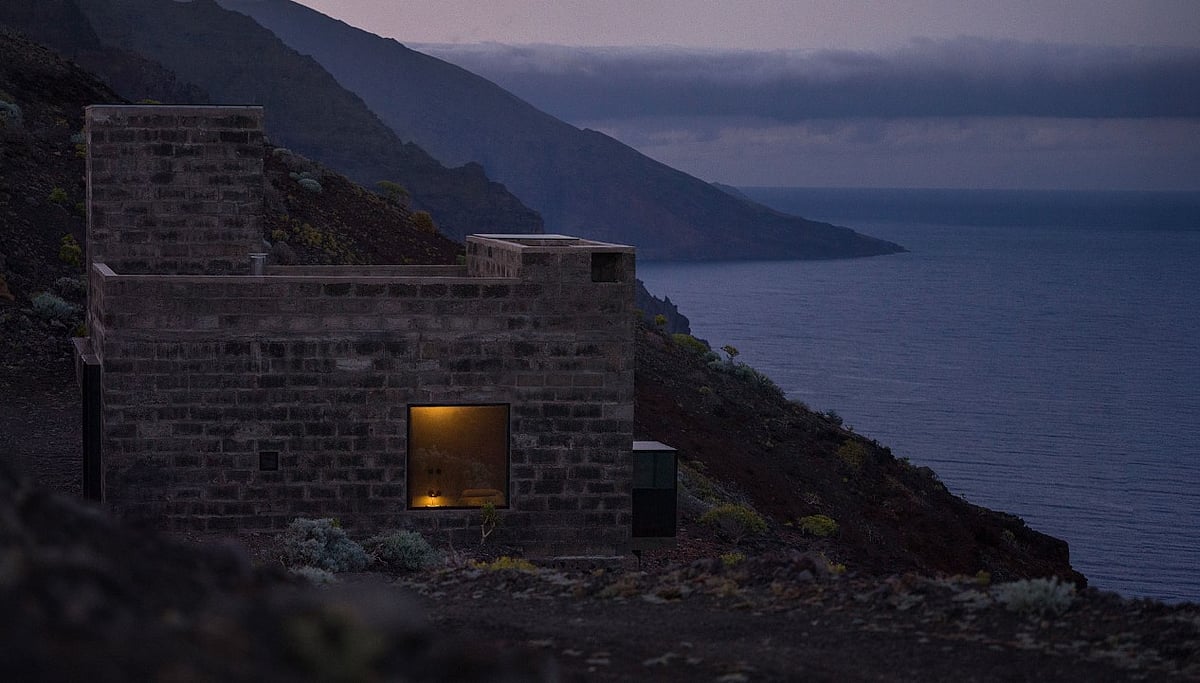
As Fuerteventura continues to attract investors, discussions around vacation housing regulations intensify.
Vacation Housing: Is It a Harmless Activity?
The activist group Canarias Has a Limit has publicly criticized the proposals put forward by political parties including PSOE, Agrupación Socialista Gomera (ASG), Nueva Canarias, and VOX. These parties aim to reclassify vacation housing from a non-innocuous to an innocuous status under the Vacant Housing Law. If successful, this change would streamline the registration of new tourist homes and allow many existing properties to continue operating with reduced oversight regarding noise, health, safety, and administrative compliance.
Canarias Has a Limit argues that it is perplexing for these political entities to weaken a law that has only managed to decrease the number of registered vacation homes by about 1,000, amidst a staggering total of over 74,000. The current moratorium on vacation housing is increasingly seen as a vital measure by the Canarian public and advocacy groups, paralleling the demand for a tourism moratorium. The impact of vacation rentals on housing availability is particularly concerning, as it not only fuels tourism growth but also contributes directly to the conversion of residential housing into tourist accommodations.
The effectiveness of the Vacation Housing Law remains uncertain, largely hinging on local governments’ commitment to enforcement. Yet, even before its true potential can be assessed, certain political groups are taking steps to align themselves with vacation rental advocates to dilute the regulations.
Critics emphasize that an activity taking place on residential land, which brings about noise, environmental degradation, and increased resource consumption, should remain classified as non-innocuous. Current amendments additionally aim to dilute the Vacation Rental Law further. ASG, along with a Mixed Group, has introduced measures designed to protect existing vacation homes in regions like El Hierro, La Gomera, and La Palma. Notably, these amendments propose extending the transitional period for compliance from five to ten years and demand special exemptions for La Palma following its volcanic eruption in 2021, despite evidence indicating that the island now hosts 500 more vacation rentals than before the disaster.
These legislative moves indicate a concerted effort among various factions to erode the current law’s core purpose, which should prioritize housing rights. The so-called “Green Islands” should not be designated as zones of sacrifice, allowing greater leniency that could exacerbate the housing crisis and its environmental repercussions.
In comparison to more stringent regulations in cities like Barcelona—which plans to phase out all tourist-use homes by 2028—Canary Islands’ regulations appear relatively moderate. The Barcelona City Council is actively working to return homes utilized for tourist activities back to the residential market, emphasizing that housing should serve residents rather than tourists. In contrast, three parties (PSOE, Nueva Canarias, and ASG) in the Canary Islands are seemingly facilitating an environment that could allow tourism to dominate, displacing residents while contributing significantly to environmental degradation.
Advocates from Canarias Has a Limit urge these political parties to withdraw their proposals and call upon the Canarian Parliament to make a genuine commitment to safeguarding housing rights, aiming to curb the current unsustainable influx of tourism that carries serious environmental and social implications.
Image credit: www.lavozdefuerteventura.com
Source: www.lavozdefuerteventura.com.
Curated by Fuerteventura Times Real Estate Desk.