A Historic Day in the Canary Islands: Protests for Change in Mass Tourism Policy
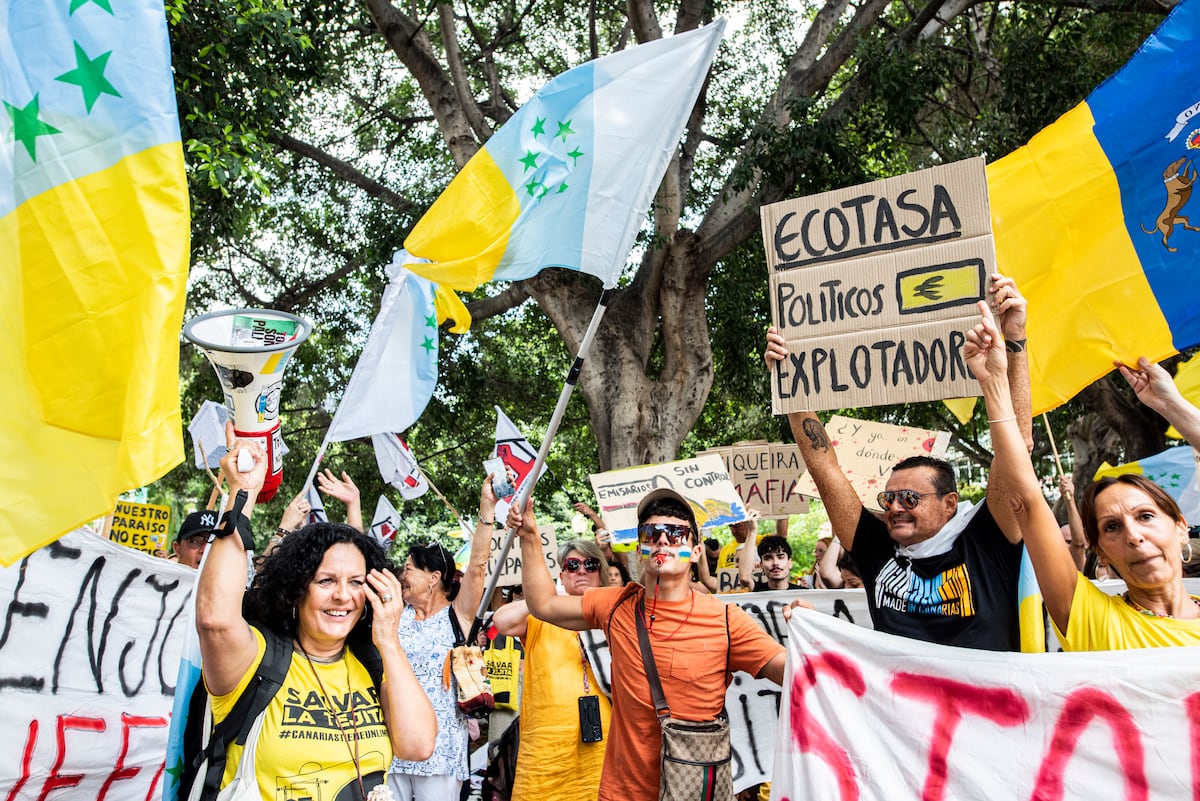
This past Saturday marked a significant turning point for the Canary Islands as over 57,000 residents, with estimates exceeding 100,000 reported by organizers, took to the streets across all seven islands and La Graciosa. The crowds united with a powerful message, advocating for a transformative shift in the region’s mass tourism model, which many are now labeling as “predatory.” This protest aimed to address the mounting pressures faced by the local population, exacerbating social, labor, and environmental challenges while significantly impacting housing accessibility.
The Call for Action
Under the rallying cry “Canarias tiene un límite” (Canary Islands have a limit), demonstrators began gathering in key locations such as Santa Cruz de Tenerife and Las Palmas de Gran Canaria from midday, voicing their grievances through energetic chants. “Esto no es sequía, esto es saqueo” (This isn’t drought, this is plunder) and “El turismo me sube el alquiler” (Tourism raises my rent) resonated, emphasizing the connection between unsustainable tourism and rising living costs. The protests spanned multiple towns, from Puerto del Rosario in Fuerteventura to Arrecife in Lanzarote, each adding to the chorus demanding immediate reform.
The Numbers Behind the Protests
The Delegation of the Government in the Canary Islands reportedly estimated that the demonstration witnessed significant attendance, with over 30,000 participants in Santa Cruz and around 14,000 in Las Palmas. In smaller municipalities like Lanzarote, Fuerteventura, La Gomera, and El Hierro, enthusiastic crowds gathered to bolster the movement, emphasizing solidarity across diverse communities.
In Santa Cruz, a bottleneck formed as thousands flocked to the Plaza del General Weyler, leading to traffic congestion and delays in the progressive march. In stark contrast, Gran Canaria’s event commenced on time from the iconic Alfredo Kraus Auditorium, signifying a unified determination across islands.
Voices from the Streets
Among the stirring testimonies was that of Fátima Cabrera, a 19-year-old psychology student, who captured the sentiments of many as she expressed concern over being pushed out of her homeland due to exorbitant rents. “We need a total overhaul of the economic model,” she stated firmly, echoing calls for addressing the root of these systemic issues.
Antonio Bueno, a 55-year-old activist, highlighted the unsustainable nature of the current system, remarking, “What we have in the Canary Islands stands against the quality of life of its residents.” His profound statements reflected the frustrations of those who feel trapped in a cycle of low wages and soaring living expenses, with the average salary hovering around €1,630 per month.
Underlying Economic Concerns
The protests were fueled by widespread discontent, as the Canary Islands grapple with significant economic challenges. Ranking as the third most visited tourist destination in Spain, the archipelago faces some of the lowest wages and the third highest unemployment rate in the nation, pegged at 16.2%. Furthermore, locals contend with rising food prices and one of the highest rental costs, all while battling the worst drought in recorded history.
Political Responses and Future Implications
As the protests gained momentum, political leaders’ responses evolved. Initially hesitant, many organizations began acknowledging the validity of the marchers’ claims. Fernando Clavijo, the President of the Canary Islands, remarked on the necessity for a reevaluation of how tourism is managed in light of the demographic challenges facing the region.
Opposition leader Ángel Víctor Torres emphasized the need for enacting an ecotax, a measure he had previously rejected while in power. This evolution in political discourse indicates a growing recognition of the urgent need for a sustainable and balanced approach to tourism—one that considers future generations and the socio-economic landscape of the Canary Islands.
The participants not only stood in protest but also symbolized unity, as demonstrations rolled out from Madrid to other cities on the mainland. The movement is a reflection of a deeper desire for significant reforms that transcend mere policy adjustments, calling for a comprehensive rethinking of the tourism-driven economic structure.
The Canary Islands stand at a crossroads, one where the voices of their people challenge the status quo in a powerful push for an equitable and sustainable future. As these protests illuminate the plight of the islands, they also capture a moment of potential transformation, inviting both leaders and residents to envision new possibilities for their home.