Unveiling the Literary Gems of José Rial: A Celebration at El Muelle Chico de Corralejo
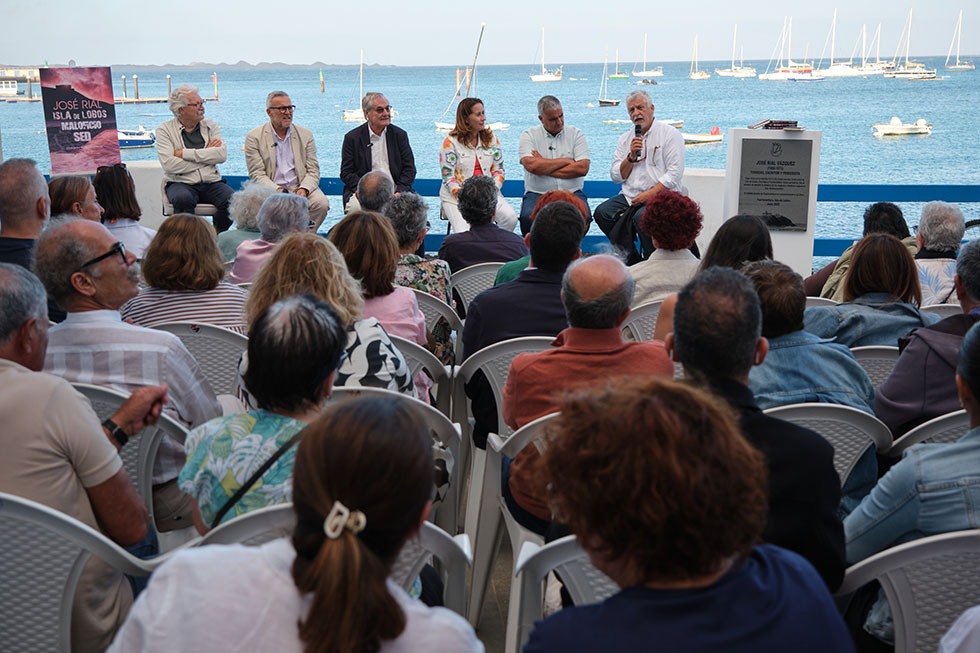
The picturesque harbor of El Muelle Chico de Corralejo recently became a stage for literature and cultural heritage as it hosted the book presentation of José Rial’s short novels: Isla de Lobos, Maloficio, and Sed. This remarkable event was brought to life by Raúl Miranda López, who coordinated and financed the project with the invaluable support of fellow writer Marcos Hormiga. The ceremony highlighted the collaborative spirit of the community, focusing on preserving the rich cultural tapestry of Fuerteventura.
A Community Effort
The successful presentation was made possible through the joint efforts of the Cabildo de Fuerteventura and the Ayuntamiento de La Oliva, specifically their cultural departments. Esteemed attendees included Lola García, President of the Cabildo, Rayco León, the Cultural Counselor, and David Hernández, Cultural Councilor of La Oliva. Their presence underlined the importance of cultural initiatives that encourage the perpetuation of local history and literature. Also present were José Medina, the president of the Juan Negrín Foundation, and historian Néstor Hernández, who shed light on Rial’s historical significance during his remarks.
The Significance of Isla de Lobos, Maloficio, Sed
This new edition, presented as a facsimile of three independent narratives by José Rial, draws attention to the experiences and challenges faced by the locals of Fuerteventura. The initiative was sparked after Miranda and Hormiga’s visit to the exhibition José Rial (1888-1973) Lucha, compromiso y reconstrucción, organized by the Juan Negrín Foundation and curated by Hernández. This exploration beautifully merged the past with the literary present.
José Rial: A Multifaceted Individual
Lola García eloquently characterized José Rial not merely as a writer but as a staunch advocate for social justice and a defender of the fishing community of the island. Her enthusiasm for promoting Rial’s legacy reflects a broader commitment by the Cabildo to resurrect influential figures within Fuerteventura’s cultural narrative. Rayco León echoed these sentiments, emphasizing the importance of acknowledging Rial’s artistic and social contributions, deeply interwoven with the collective memory of the island.
Bridging Past and Future
The mayor of La Oliva, Isaí Blanco, highlighted the necessity of such projects to ensure that the history of Fuerteventura is passed down with care and respect. This sentiment resonated with David Hernández, who noted that this publication enriches the island’s cultural identity and heritage. It encapsulates the essence of community efforts to give life back to the tales of their ancestors, emphasizing the importance of storytelling in their shared history.
The Literary Legacy of José Rial
José Antonio Rial Vázquez (1888–1973) spent three transformative years in Fuerteventura, which would significantly influence his literary work and his relationship with the local fishing community. His tenure began in 1913 as the ‘torrero’ of the Martiño lighthouse on Lobos Island, where he made lasting contributions before moving on to other assignments.
During his stay, Rial was instrumental in establishing fishing cooperatives in Corralejo and Gran Tarajal. These associations provided unprecedented opportunities for fishermen’s families, improving their living conditions through education and healthcare. His novels, Isla de Lobos, Maloficio, and Sed, reflect the harsh realities of life in Fuerteventura, addressing poverty and the social injustices imposed by a ruling elite in Las Palmas.
A Voice for the People of Fuerteventura
Néstor Hernández’s prologue to the new publication notes Rial’s achievements in amplifying the voices of the marginalized. Rial’s role as the chief editor of La Provincia from 1927 to 1930 underscores his dedication to advocating for improved living conditions for the people of Fuerteventura. His efforts not only positioned the island on the map of social policy but also spread awareness of its culture and challenges beyond the local confines.
A Unique Literary Perspective
Hernández highlights that no other literary work has made as many references to early 20th-century Fuerteventura as Rial’s. Nearly a century after his exile and subsequent neglect, the resurgence of Rial’s work offers a vital recognition of his literary, historical, and social contributions. His stories resonate with themes of resilience and the indomitable spirit of the majoreros, serving as a cultural anchor for current and future generations.