Family Reunions in European Arthouse Cinema: A Unique Perspective
Family reunions in European arthouse cinema often carry a heavy emotional weight. From simmering resentment in Louis Malle’s Milou in May to the explosive confrontations in Thomas Vinterberg’s Festen, these gatherings typically serve as a backdrop for unresolved tensions and familial strife. However, Spanish director Carla Simón offers a refreshing counter-narrative. Her films leave audiences with a renewed appreciation for family connections, suggesting that despite the complexities, maintaining ties with relatives can be a beautiful experience.
Carla Simón: A Rising Star
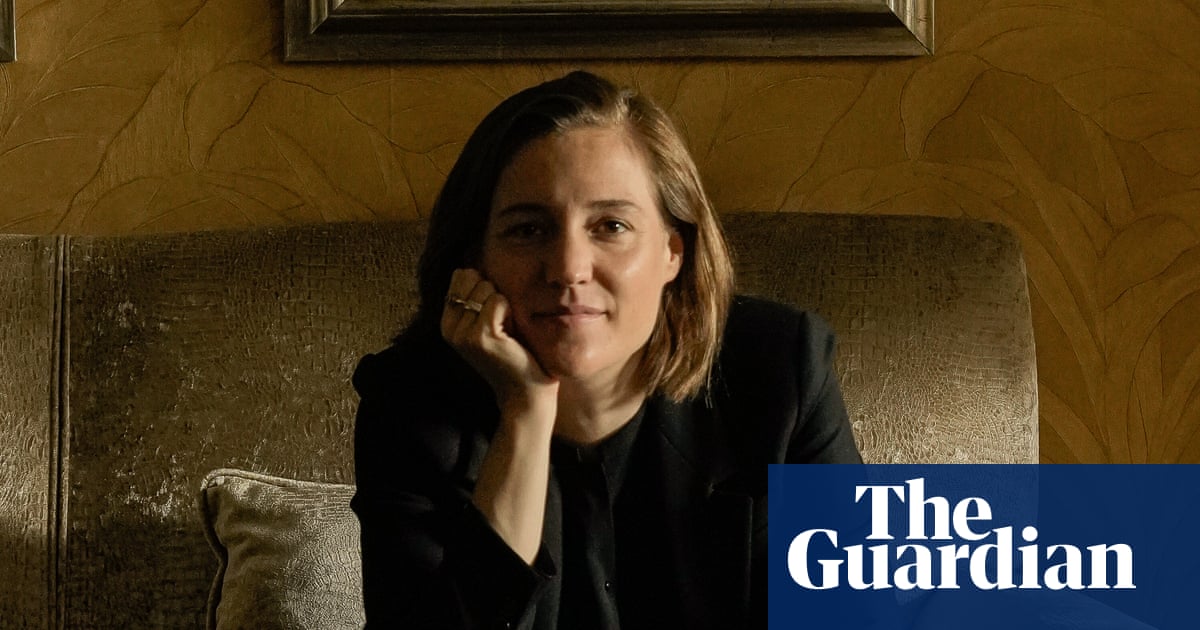
At just 39 years old, Carla Simón has emerged as a significant voice in European cinema. Her ability to transform seemingly mundane events—like birthday parties, garden gatherings, or poolside barbecues—into rich tapestries of human emotion is unparalleled. In her award-winning film Alcarràs, a chaotic water fight becomes a vivid exploration of familial bonds, while her latest work, Romería, features a raucous dinner table singalong that captures the essence of kinship.
The Art of Improvisation
One of Simón’s distinctive techniques is her approach to scripting. She allows her actors to read the script only once before filming begins, encouraging them to improvise and fill in the gaps. This method creates a sense of spontaneity and authenticity, making the interactions feel genuine. Simón often takes her cast on outings—be it parties, walks, or shopping trips—where real-life disagreements can emerge, adding layers of complexity to their performances. She embraces the unpredictability of working with children and animals, believing they bring an element of surprise that keeps the narrative alive.
A Personal Journey
Simón’s fascination with family dynamics is deeply rooted in her own life experiences. Born in Barcelona in 1986, she faced profound loss early on, losing both her biological parents to AIDS by the age of six. Her adoptive mother later revealed the circumstances surrounding her parents’ deaths, shaping Simón’s understanding of family and identity. This personal history informs her filmmaking, as seen in her first three films, which are heavily autobiographical.
Exploring Identity in Romería
In Romería, Simón delves into the complexities of her biological family. The film follows 18-year-old Marina as she travels to Galicia to connect with relatives she barely knows. Initially met with warmth, the reunion quickly reveals underlying tensions and unspoken histories. The stern admonitions from her grandmother and the shocking revelations about her father’s death highlight the emotional intricacies of family relationships. Simón’s journey is not one of resentment but rather a quest for understanding and connection.
The Role of Letters
A poignant element in Romería is the cache of letters written by Simón’s late mother. These letters serve as a bridge to the past, allowing Simón to hear her mother’s voice and understand her life better. The letters, filled with personal anecdotes and reflections, are a treasure trove of memories that illuminate the complexities of love, loss, and family ties.
The Legacy of Spanish Cinema
Simón’s work is part of a broader tradition in Spanish cinema that highlights the experiences of children. Films like Víctor Erice’s The Spirit of the Beehive have set a precedent for child-centric narratives, exploring themes of innocence and trauma. However, while Erice’s film serves as an allegory for a nation grappling with its past, Romería addresses the lingering effects of historical trauma in a more personal context.
A Shift in Style
Midway through Romería, Simón introduces a stylistic shift, moving from the Eurorealism of her earlier works to a more magical-realist approach. This transition is marked by whimsical elements, such as a mysterious cat reminiscent of a Miyazaki film and a vibrant dance sequence set to a punk rock anthem. This blend of realism and fantasy reflects Simón’s evolving perspective on family and identity, especially after becoming a mother herself.
Future Directions
As Simón contemplates her next project, she hints at a departure from the autobiographical themes that have characterized her previous films. Her upcoming work is set to be a flamenco musical, suggesting a new chapter in her artistic journey. This shift indicates her desire to explore different narratives while still maintaining her unique voice in cinema.
Current Release
Romería is currently in UK cinemas, inviting audiences to experience Carla Simón’s poignant exploration of family, identity, and the complexities of human relationships. Through her lens, family reunions become not just gatherings but profound journeys into the heart of what it means to belong.