The Clean Ocean Project: Understanding Surfing’s Impact on Fuerteventura
The Clean Ocean Project is embarking on a vital mission to assess the eclectic impacts of surfing on Fuerteventura, a paradise known not only for its stunning landscapes but also for its deep-rooted surfing culture. This initiative, closely connected to the local surfing community, has launched an open survey aimed at quantifying the economic, social, and environmental effects that surfing has on the island. This data will not only provide insights into the benefits of surfing but will also help advocate for sustainable practices and conservation efforts.
The Global Surfing Landscape
With over 35 million surfers worldwide, the global surf tourism industry is a multi-billion dollar phenomenon, with estimates valuing it between $31.5 billion and $64.9 billion annually. Such enormous figures underscore the notion that surf tourism can wield significant economic influence on local communities. By studying the contributions of surfing to local economies, regions like Fuerteventura can better understand how to showcase the financial importance of their waves, emphasizing that healthy waves and beaches can be powerful advocates for coastal protection.
Surfing Community and Tourism in Fuerteventura
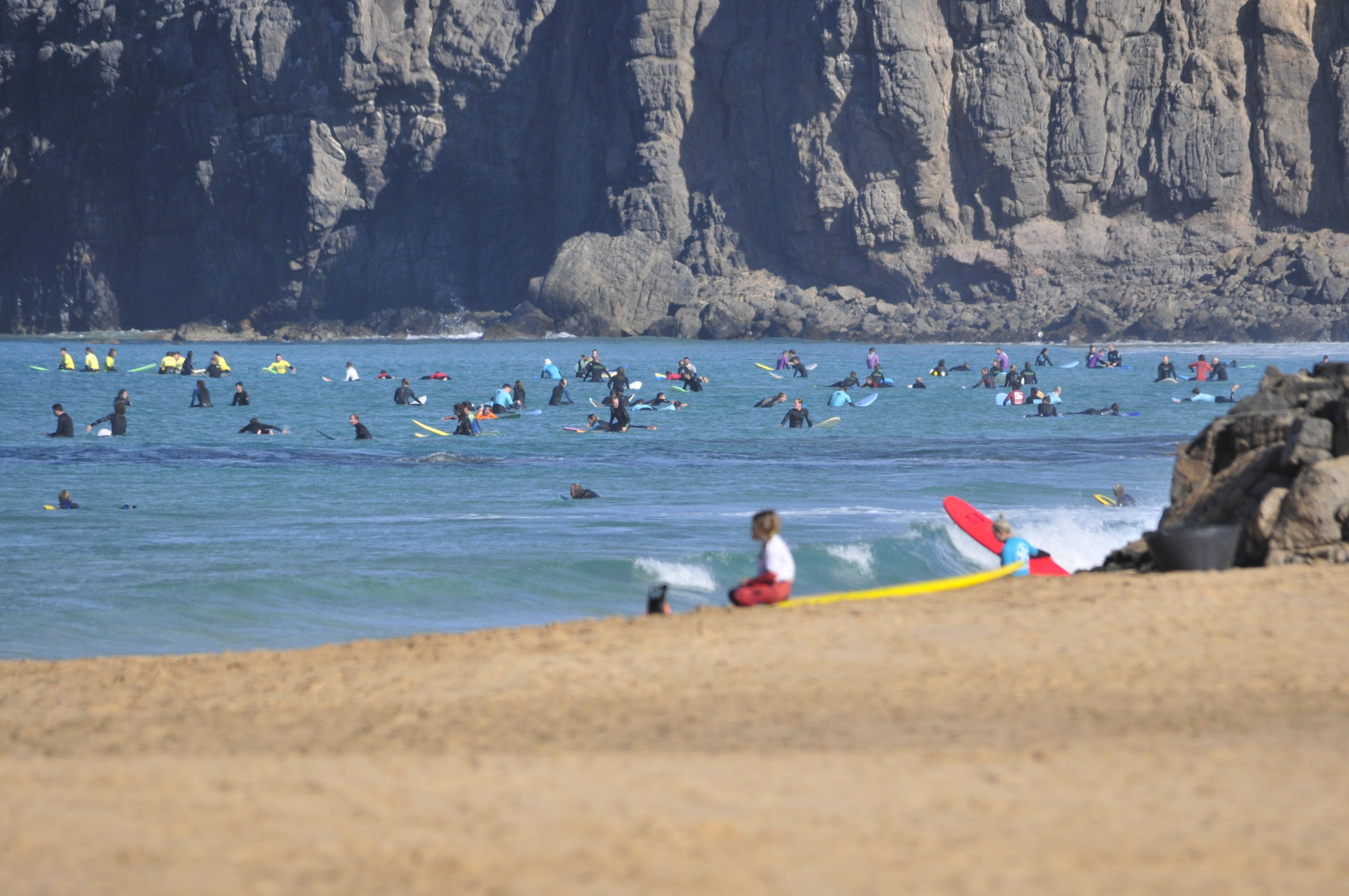
Every year, Fuerteventura welcomes thousands of surfing enthusiasts, sports tourists, and ocean lovers. Many of these visitors are not merely passing through; they often return year after year, some even choosing to stay for extended periods or making the island their permanent home. Despite this growing trend, the cultural and economic significance of surfing remains inadequately recognized in local policy and planning. The Clean Ocean Project seeks to change that narrative.
Wim Geirnaert, a spokesperson for the project, emphasizes the transformative role surfing plays in the local economy. “Surfing revitalizes small businesses, creates jobs, promotes sustainable tourism, and strengthens the bond between people and their natural surroundings,” he shares. Such insights help frame surfing not just as a leisure activity but as a crucial component of economic sustainability for Fuerteventura.
The Survey: Gathering Insights
The heart of this initiative lies in the open survey, which invites anyone who has experienced surfing in Fuerteventura—be they tourists, residents, digital nomads, instructors, or related professionals—to contribute valuable information. The survey aims to gather specifics, including the duration of stay, average spending, sectors where expenditures occur, accommodation types, transportation modes, and favored surfing spots.
This effort is designed to be user-friendly: the survey takes no longer than five minutes to complete, is completely anonymous, and is available in both Spanish and English. This approach ensures that participation is accessible to a wide range of individuals who contribute to this vibrant community.
Utilizing the Data for Positive Change
The ultimate goal of Clean Ocean Project is to analyze the survey data and create a comprehensive, rigorously researched report that can inform various stakeholders, including public institutions, media outlets, local associations, and decision-makers involved in land management. The aim is to share this information widely, advocating for a more informed and sustainable approach to Fuerteventura’s unique characteristics.
By showcasing the vital statistics and narratives surrounding surfing, the project hopes to reinforce the idea that the ocean is not just a resource but an invaluable asset worthy of protection. Such advocacy aims to foster a deeper understanding of the relationship between tourism, environmental health, and economic viability—critical factors for ensuring the long-term sustainability of Fuerteventura’s coastlines.
In an era where environmental challenges continue to mount, understanding the complex layers of human interaction with nature becomes more crucial than ever. The Clean Ocean Project’s initiative in Fuerteventura exemplifies how local communities, guided by data and a shared love for the ocean, can work toward ensuring that surfing remains a positive force for both people and the planet.