UNESCO Ends Collaboration with the Responsible Tourism Institute
UNESCO has announced it will not renew its collaboration with the Responsible Tourism Institute (ITR) at the end of a twenty-year memorandum of understanding. This decision, rooted in UNESCO’s commitment to conserving cultural and natural heritage, reflects diverging priorities, particularly concerning the Biosphere Reserve program, which UNESCO administers as part of its Man and Biosphere (MaB) initiative.
Objectives of the Responsible Tourism Institute
The ITR focuses on promoting sustainability within the tourism sector, aiming to implement various sustainable development actions and programs. As part of its mission, the ITR offers consulting services and grants certifications, known as Biosphere certifications, to various tourist establishments and institutions that meet its standards. These certifications, however, have been deemed misaligned with UNESCO’s conservation policies.
Communication to Relevant Bodies
UNESCO has communicated its decision to the Spanish Committee of the MaB program and all associated Biosphere Reserves in Spain. This includes prominent locations such as Fuerteventura and Lanzarote, which have hosted numerous ITR initiatives and collaborated on sustainability efforts in tourism. The withdrawal from collaboration signals a broader reassessment of what certifications should represent in the realm of sustainable tourism.
The Starlight Foundation Situation
A similar scenario unfolds regarding the Starlight Foundation, which, although lacking a formal memorandum of collaboration with UNESCO, has often been cited in publications as a collaborating entity. Recently, UNESCO expressed its inability to endorse the Starlight Foundation’s certification system. Both the ITR and the Starlight Foundation have been active in fostering partnerships with institutions in Fuerteventura and Lanzarote.
A Celebration of Local Initiatives
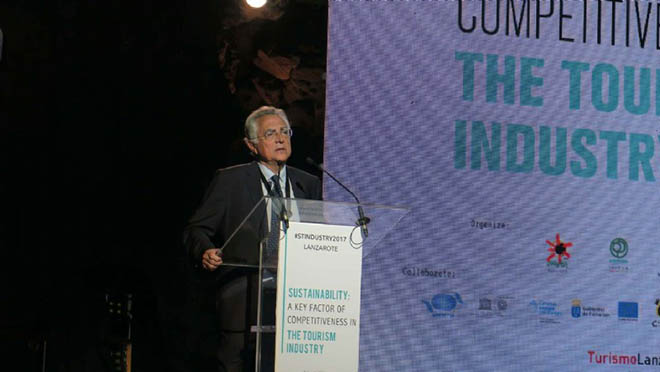
One noteworthy event organized by the ITR last year was a symposium titled “Sustainability as a Key Factor of Competitiveness in the Tourism Industry,” held at Jameos del Agua and supported by the Lanzarote Promotion Society. Co-sponsored by the UN World Tourism Organization and the Asolan employer’s association, this gathering spotlighted local initiatives. The Cabildo of Lanzarote praised the event for enhancing their environmental reputation and reinforcing their identity as a sustainable tourism destination.
Recent Certifications in Lanzarote
The boutique hotel La Isla y el Mar in Puerto del Carmen (Tías) received the recent accolade of being recognized as a Biosphere Smart Hotel. This certification evaluates compliance with the 17 Sustainable Development Goals established by the United Nations and aims to bolster the hotel’s sustainability credentials. The collaboration between Asolan and the ITR extends to providing support and financing for such certifications through funding from the Cabildo of Lanzarote.
Alignment with Smart Island Projects
The Cabildo positions this initiative within the broader framework of the Smart Island project, labeled “Intelligent Biosphere Reserve.” This aligns with the efforts of the Tourist Centers of Lanzarote, expressing a commitment to enhance digital transformation and sustainability as core mechanisms for increasing the competitiveness of local hospitality establishments.
Starlight Certification and Its Objectives
In 2015, Fuerteventura was awarded Starlight Reserve status, joining La Palma and the Teide Volcano in this recognition. The core goal of Starlight certification is to preserve the night sky, promote astronomy, and manage Starlight initiatives effectively. The Reserve of Fuerteventura’s commitment to this certification reflects its strategy to underscore the importance of celestial protection in its action plan.
Collaborating Stakeholders
The Starlight Foundation, which aims to safeguard the starlit sky and foster astrological education, boasts two patrons: the Institute of Astrophysics of the Canary Islands and the consulting firm Corporación 5, helmed by José Carlos Francisco. His influence as a former government advisor and a supporter of land regulation initiatives brings further depth to the collaborative efforts in promoting sustainable tourism and environmental preservation in these islands.
This structured exploration of UNESCO’s decision not to renew its collaboration with the ITR, along with the context surrounding responsible tourism certifications, highlights the shifting dynamics and the ongoing commitment to sustainable practices in the tourism sector, particularly in regions like Fuerteventura and Lanzarote.