Controversy Surrounds Proposed Wave Pool Project in Corralejo, Fuerteventura
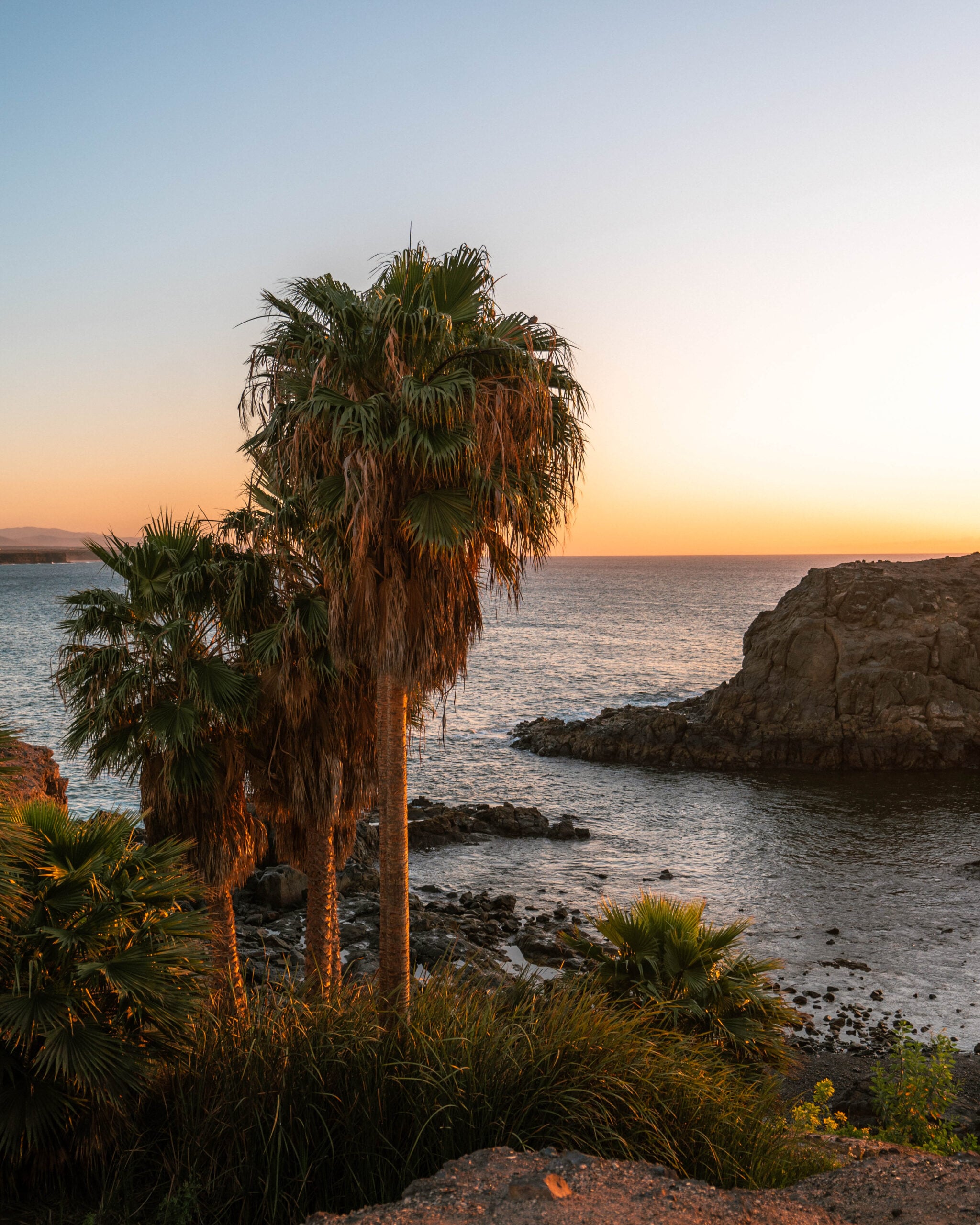
In the idyllic landscape of northern Fuerteventura, plans for an artificial wave pool are stirring considerable debate and concern. The proposed Wave Park Resort aims to deliver an unprecedented surfing experience, but not without significant environmental implications.
A Vision for Wave Park Resort
The driving force behind this ambitious project is a company tied to a network of investors interested in both real estate and renewable energy. Specified to be located adjacent to the Corralejo Natural Dunes Park, this venture raises immediate questions about its impact on one of the Canary Islands’ most cherished natural sites—a unique ecosystem that deserves protection.
According to Fuerteventura Tourism, which operates under the Canary Islands government (a coalition of Coalición Canaria and PP), the main objective is to elevate the island’s sports reputation without compromising its scenic beauty. However, this assertion competes fiercely with the growing opposition spearheaded by environmental advocates.
Environmental Concerns
Podemos Canarias, a prominent political outfit, has called for the immediate halt of the Wave Park initiative, citing it as a “severe ecological and social threat.” Their opposition stems from multiple concerns:
-
Water Consumption: The wave pool is projected to use up to 50,000 cubic meters of water annually, which is shocking in a region already sensitive to water scarcity. This volume of water is analogous to the domestic consumption of about 600 individuals, raising alarms about resource allocation.
-
Impact on Unique Habitats: The project is poised to affect nearby special conservation areas, including a Special Protection Area for Birds (ZEPA) and a Special Conservation Area (ZEC). Local species, such as the endangered Canary hubara and the Canary stone-curlew, could face detrimental changes to their natural habitats.
Noemí Santana, Secretary General of Podemos Canarias, articulates the shared sentiment: “The north of Fuerteventura does not require an artificial wave pool; it has natural waves—a unique landscape and a Biosphere Reserve that we should protect, not commercialize.”
Unsustainable Practices
Moreover, the project’s technical report acknowledges that the initial filling of the wave pool would demand between 25,000 and 50,000 cubic meters of fresh water, alongside a staggering 250,000 kWh per year to offset evaporation losses. Independent estimates even suggest that the total energy consumption could soar to around 1 GWh annually—enough to power about 300 local households—contributing further to local CO₂ emissions.
As Gabriel González from Podemos Canarias points out, “Utilizing desalinated water—an energy-intensive process—to create artificial waves while being just 500 meters from the ocean is fundamentally flawed.” This scenario draws attention to broader questions about sustainability amid an ongoing climate crisis, where resource diversion toward a private theme park is viewed as an egregious misallocation.
Corporate Interests and Claims
The project is closely linked to Pablo Castellano, son of the late José María Castellano, a former vice president of the multinational INDITEX. Castellano is an influential figure in Fuerteventura’s emerging business landscape, managing various entities tied to real estate and energy. Under his leadership, Wave Park Resort S.L. was established in La Oliva in early 2024, suggesting an eagerness to advance tourism-driven initiatives in the area.
In his defense, Castellano argues that the resort represents a new frontier for sports tourism within Fuerteventura. “Surfing transcends mere sport; it embodies a lifestyle and culture,” he remarks. His vision includes integrating elements of surf culture into a broader hospitality experience—aiming to create a community that unifies emotion, sustainability, and profitability.
The Bigger Picture
On the surface, the proposal for a wave pool might appear to promise economic diversification and tourism growth for Fuerteventura. However, the reaction from environmental advocates and concerned citizens suggests a community deeply invested in preserving its natural heritage against pressing corporate ambitions. The ongoing discussions highlight the delicate balance between development and sustainability, painting a vivid picture of the challenges facing modern tourism in ecologically sensitive regions.
As this debate unfolds, it continues to reveal the layers of complexity involved in the stewardship of natural resources, the essence of what makes locales like Corralejo unique, and the future directions tourism should take on these beautiful islands.