The Global Impact of Tobacco Use
Tobacco claims the lives of six million people worldwide each year, a figure that is expected to rise to eight million by 2030. Smoking is a major risk factor for chronic respiratory diseases, cancer, and cardiovascular disease. The statistics are staggering, but they only scratch the surface of the profound impact tobacco has on global health.
The Hidden Dangers of Smoking
Even the mere consumption of a single cigarette a day can promote the onset of diabetes and raise cholesterol levels, according to studies by Spain’s National Committee for the Prevention of Smoking. This highlights the insidious nature of tobacco; it’s not just heavy smokers who are at risk, but even those who indulge occasionally.
The Challenge of Quitting
Giving up cigarettes is by no means an easy task. It is a process filled with bumps in the road, largely due to the addiction to nicotine and other harmful substances. Many people find it incredibly tough to overcome cravings, but those who succeed gain a lifetime of health benefits. The journey to quitting is often fraught with challenges, yet it is one of the most rewarding decisions a smoker can make.
The Body’s Remarkable Recovery
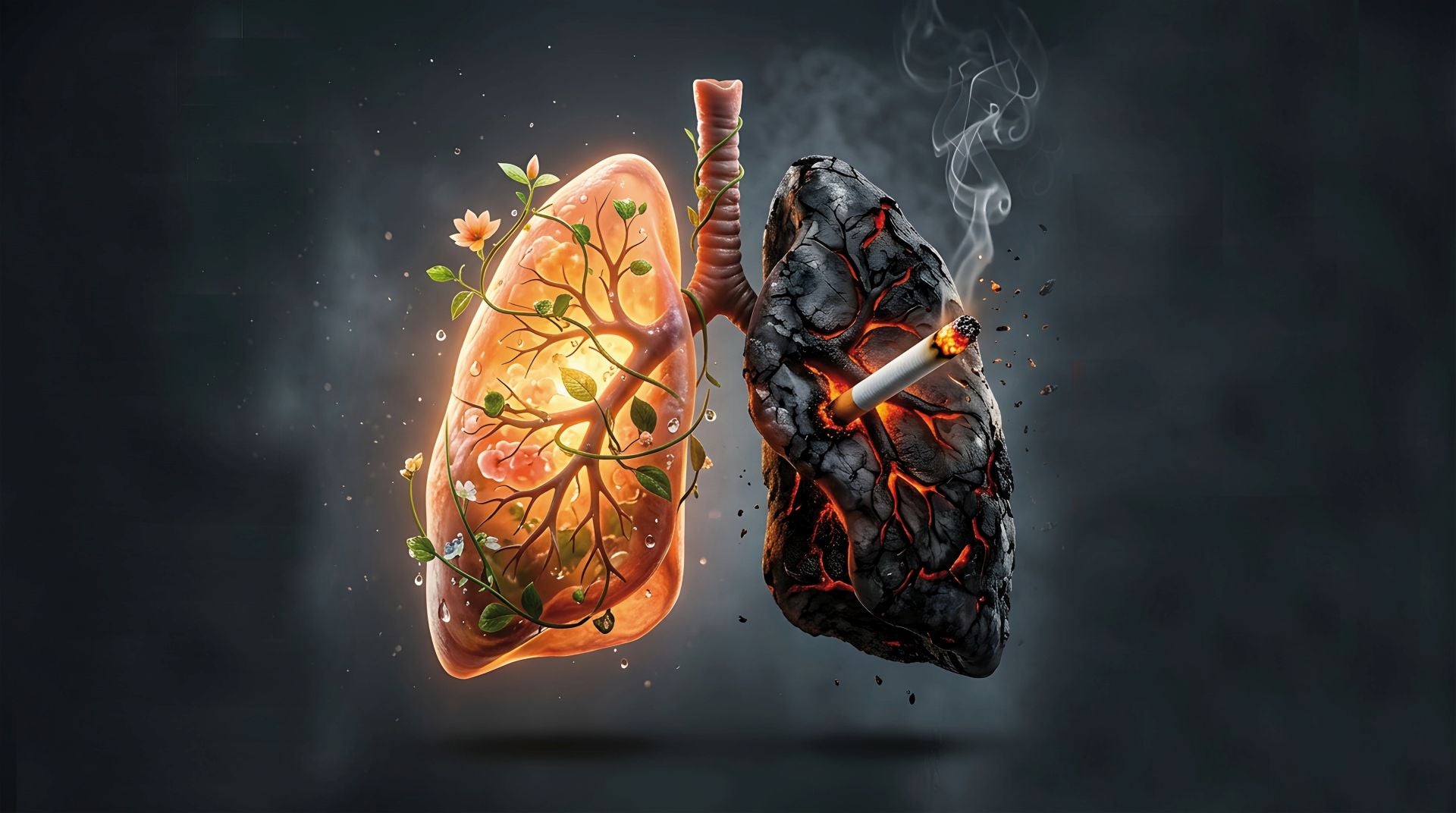
Smoking and vaping expose the lungs to more toxic particles than they can handle, but the body has an incredible capacity for repair. Although some accumulated damage may not disappear completely, science confirms that quitting smoking is a giant step forward in improving health and quality of life. From the very first moments without a puff, the body begins to activate mechanisms that enhance respiratory function and reduce the risk of lung cancer or chronic obstructive pulmonary disease (COPD).
The Regenerative Power of Lungs
“Quitting smoking is the healthiest decision a smoker can make in his or her life,” says Carlos Jiménez, a pulmonologist and member of the Spanish Society of Pneumology and Thoracic Surgery (SEPAR). The lungs, being the organ most affected by tobacco consumption, possess a powerful regenerative capacity that begins almost immediately after quitting.
A 2021 study by the Wellcome Sanger Institute and University College London (UCL) revealed that individuals who had given up smoking had up to four times the proportion of genetically healthy lung cells compared to smokers, significantly lowering their risk of lung cancer.
Understanding Cellular Damage
The toxic substances in cigarette smoke damage the genome of respiratory epithelium cells, leading to the formation of atypical cells that can become tumor cells. In contrast, those who quit smoking see a reduction in the number of damaged cells, as they are no longer exposed to the harmful chemicals found in cigarette smoke, particularly nitrosamines, which are notorious for causing genomic damage.
The Role of Cilia in Recovery
The tiny hair-like structures in the lungs, known as cilia, begin to regain their normal function after quitting. These cilia are crucial for removing mucus and controlling lung health. Smokers often experience thickened mucus or a complete cessation of mucus production, which is vital for expelling toxins and preventing infections.
When individuals quit smoking, they may notice an increase in expectoration (coughing up phlegm), which is a positive sign indicating that their bronchial cells are recovering and effectively expelling toxic substances. This process becomes evident within a month of quitting.
The Timeline of Recovery
Just two weeks after putting out the last cigarette, many smokers report improved exercise capacity as their oxygenation levels and lung capacity begin to enhance. Within two to three months, the risk of lung cancer and COPD starts to decrease. However, it’s important to note that the odds of developing these diseases may never fully align with those of a non-smoker.
Dr. Jiménez explains that the risk of COPD equals that of a non-smoker after 12 to 15 years of quitting, while for lung cancer, it takes 20 to 25 years. This underscores the long-term benefits of quitting smoking, even if the timeline for complete recovery varies.
The Importance of Professional Support
The journey to quitting smoking is complex and often requires professional guidance. Pulmonologist Carlos Jiménez emphasizes that smoking is an “addictive disease,” and smokers should seek specific treatment from medical professionals. This includes taking a medical history, assessing the level of addiction, and providing psychological counseling.
While personal motivation plays a crucial role, relying solely on willpower or quick-fix methods is often ineffective. Studies show that with professional help, the chances of successfully quitting increase significantly—from 10% to 40%.
The Takeaway
The journey to quitting smoking is not just about overcoming addiction; it’s about reclaiming health and improving quality of life. The body’s remarkable ability to heal itself, even after years of tobacco use, serves as a powerful reminder that it’s never too late to make a change. Whether you’ve smoked for a few years or several decades, the potential for recovery is always within reach.