The Living Heritage of Fuerteventura: Insights from the Archaeological Museum
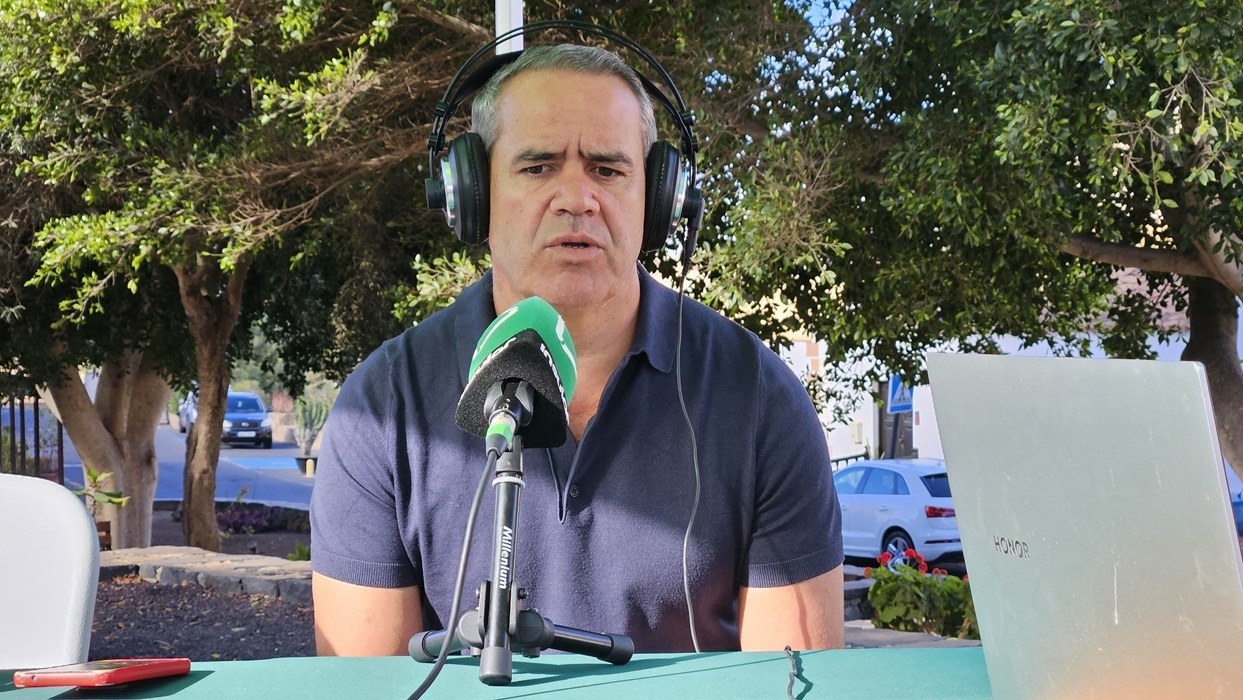
In a recent interview on the La Voz de Fuerteventura program, broadcast directly from the Archaeological Museum, director Isidoro Hernández emphasized the crucial role this center plays as a “living museum.” Unlike traditional establishments that merely showcase artifacts in glass cases, Hernández insists that the museum actively promotes an ongoing and dynamic cultural heritage programming.
Promoting Aborigine Heritage
The mission of the museum is clear: to disseminate the rich indigenous heritage of Fuerteventura, particularly that of the Mahos, while also deepening our understanding of archaeological science. Hernández passionately explained that the museum serves as a vital repository of knowledge and a hub for discovering the island’s history.
On the occasion of International Museum Day, the museum is gearing up for various exciting initiatives. One standout program is “Archaeologist for a Day,” designed specifically for third-year secondary students. This hands-on educational workshop allows young people to engage with and understand the archaeological process through interactive activities, bridging the gap between education and real-world applications of archaeology.
Cultural Cycles and Community Engagement
Among the museum’s successful programs is the “Entre Vitrinas” cultural cycle, which focuses on specialized topics led by archaeology experts. Hernández highlighted the importance of these sessions, stating, “We want to present the archaeological subjects that reside in our vitrines through expert-led discussions.” These events are more than educational; they serve to connect cultural heritage with the community, reaffirming the museum’s role as a facilitator of public dialogue.
Additionally, visitors can currently enjoy the photographic exhibition “The Archaeology of the Gaze” by Luis Diego Cuscoy. This multimedia display invites audiences to immerse themselves in the archaeological history of the Canary Islands, utilizing technologies like virtual reality to enhance the experience. Furthermore, the soon-to-open archaeological site at Betancuria, known as Morro del Humilladero, adds to the excitement, providing another layer of depth to the island’s archaeological offerings.
Unexplored Treasures
Hernández stressed the importance of the countless archaeological sites across Fuerteventura, estimating that there are around 1,000 sites that remain largely unexplored. “Today, we still frequently unearth significant finds,” he noted, reflecting on the ongoing discoveries that reveal the island’s rich history.
He advocates for more long-term archaeological projects that secure sustained funding rather than relying on one-off investments. Emphasizing the need for in-depth and scientifically grounded studies, Hernández stated, “There must be long-lasting archaeological research that generates profound knowledge.”
Key Sites: From Lobos Island to Corralejo Beaches
Fuerteventura’s archaeological heritage is unparalleled, with notable sites such as Isla de Lobos and the Cueva de Villaverde in La Oliva. These locations hold immense value, offering insights into the lives of the indigenous Mahos, particularly around dietary habits derived from faunal remains and artifacts.
For over a decade, systematic excavations on Lobos Island have led to groundbreaking findings. “Every year, we discover something new,” Hernández remarked, pointing out the site’s significance in understanding Roman settlement in the Canaries. The director confidently suggested that investigations may soon extend to Corralejo, hinting at rich findings yet to be uncovered along its famous beaches.
The Cueva de Villaverde stands out as one of the island’s most-studied sites. Hernández emphasized its relevance, asserting that it provides critical information about the major historical practices of the Mahos, which could help triangulate Fuerteventura’s connections with broader networks across the Archipelago, North Africa, and the Roman world.
Cultural and Touristic Potential
Both Isla de Lobos and La Oliva offer not only invaluable insights into the culture of the Mahos but also potential cultural and tourist resources. Harnessing these archaeological sites could elevate Fuerteventura into a key destination for cultural tourism, drawing visitors interested in both archaeology and history.
A Commitment to Preservation
Leading the museum for just a few months, Hernández has already articulated a commitment to three fundamental aspects: preservation, research, and dissemination. He highlights the need for a meticulous inventory, preventive conservation, and restoration efforts as foundational elements.
“What we are attempting is to create a detailed inventory, which is crucial not only for organizing cultural exhibitions but also for making materials available to researchers,” he asserted, pointing to the museum’s pivotal role in maintaining the island’s cultural identity.
Since its opening five years ago, the Archaeological Museum of Fuerteventura has proven itself to be an essential pillar in preserving the island’s cultural and patrimonial identity, transforming into a dynamic space that keeps history alive for future generations.