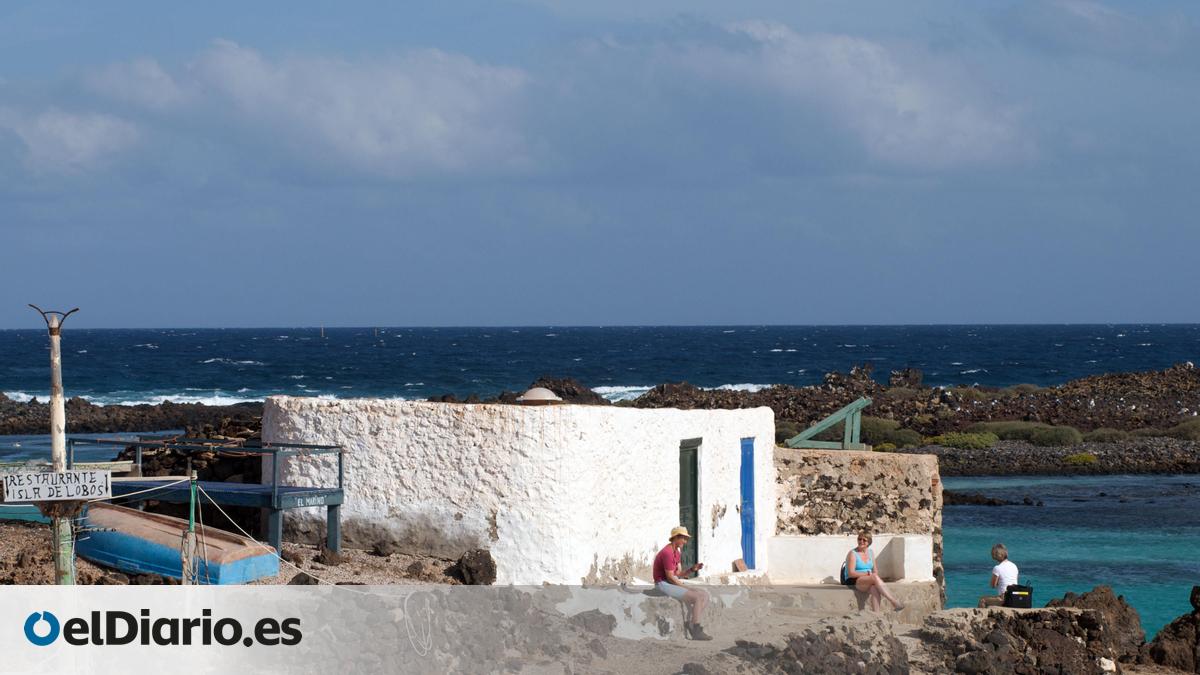
The Lobos Island Controversy: Balancing Conservation and Visitor Access
Introduction: A Call for Unity
On January 21, a rally titled “Lobos for All” attracted around 1,500 individuals advocating for a balanced approach to managing Lobos Island, located off the northwest coast of Fuerteventura. The gathering aimed to halt restrictions on visitor access to this unique natural environment, urging for negotiations to find a mutually agreeable solution that would preserve the ecological integrity of the island while allowing for responsible public use.
Changes in Visitor Management
The Cabildo (the island’s governing body) is in the midst of approving modifications to the Plan for the Use and Management (PRUG) of Lobos Island. This modification aims to establish guidelines on visitor capacity and regulations for managing access and use of the island. Interestingly, while these changes will enhance oversight and environmental management, they do not impact the island’s existing zoning or layout.
Since January 15, the new visitor capacity has been set at 200 individuals at a time, split into two daily sessions, allowing a maximum of 400 daily visitors. This is significantly lower than the peak of 1,400 visitors recorded on some days, indicating a clear overcapacity issue. The proposed modifications include three alternatives, of which the first—essentially maintaining the current status quo—has been discounted.
The first alternative appears to be the favored option by the Cabildo, setting a daily capacity of 704 visitors, while the second alternative proposes further expansion for public access to areas like the Lobos lighthouse and Las Salinas, increasing the capacity to 1,309 visitors.
Focus on Enforcement and Visitor Behavior
While the numbers indicate the maximum visitor capacity, the real challenge lies in enforcing these regulations and monitoring visitor behavior. The study emphasizes that the problem is not solely about visitor numbers but hinges on implementing effective monitoring and compliance strategies. To address this, the assessment will consider various capacities, including ecological, social, market, and governance dimensions. The introduction of an Acceptable Change Limit Index is one tool proposed to ensure a balance between human activity and environmental preservation.
Current Environmental Trends
The environmental status of Lobos Island has shown some positive trends in recent years, with improved biodiversity and habitat conditions. However, certain areas, particularly along the waterfront and in more sensitive ecological zones, have evidenced degradation. Issues are most pressing in locations such as the dock, Puertito, and restricted-access areas like Las Lagunitas and La Caldera. Critically, the study posits that environmental threats stem not so much from visitor numbers but from public use patterns, inadequate infrastructure, and insufficient regulation.
Community Involvement and Interests
The local community plays a crucial role in this dialogue. The document notes that the floating population—individuals who spend extended periods on the island—ranges between 40 and 50 people. The absence of a proper census for private boats venturing to Lobos complicates monitoring efforts, as uncontrolled access threatens to disrupt local wildlife and ecosystems.
Critics within the study point fingers at the administration’s lack of oversight and regulation. The island lacks a competent public authority to manage access and has minimal necessary infrastructure, which poses an environmental risk, particularly in vulnerable zones.
The Environmental Impact
While the island’s occupancy rate is merely 3%, activities tend to be concentrated along its coastline, leading to considerable marine threats. Significant environmental impacts have arisen from uncontrolled construction, waste disposal, and illegal activities such as poaching and unregulated boating.
Many of the adverse effects are ongoing, including marine pollution and the encroachment into restricted zones. Such pressures particularly affect coastal habitats, vital for the reproduction and survival of endangered bird species, which include the Barbary partridge and various migratory birds.
The Role of Marine Vegetation
Sea grass meadows on Lobos provide essential habitats for many marine species, including endangered turtles and dolphins. Ongoing maritime activities threaten these habitats through pollution and noise disturbance. The lack of vigilant monitoring complicates conservation efforts and amplifies the urgency for coordinated governance between local authorities and the regional government.
Future Plans and Ongoing Conflicts
The Cabildo is presently assessing whether to exempt some modifications from environmental evaluation, a decision critical for future visitor management. The upcoming phases will prioritize enhancing enforcement mechanisms, visitor education programs, and proper signage to guide tourists.
Access Control and Visitor Compliance
Since January 15, a new access control system, requiring online authorization from the Cabildo, has been implemented. Although initial attempts faced access issues, the system is now functioning better, yet visitor numbers have not yet reached full capacity, raising questions about its effectiveness during off-peak tourism seasons.
Community Voices Against Restrictions
The recent restrictions have incited protests from various stakeholders, including tour operators, local restaurant owners, and frequent island visitors. Advocates argue that these limitations threaten the economic landscape and access for many families who hold long-standing traditions of visiting Lobos Island. They seek a balanced resolution that honors both conservation efforts and local traditions.
Looking Ahead: Regulatory Framework
The final decisions regarding maximum visitor numbers and management practices fall within the purview of the Cabildo. These decisions are expected to be resolved before the upcoming elections, making the timeline crucial for local stakeholders. There are additionally ongoing discussions about providing some level of legal protection for existing structures on the island, but any substantial changes depend significantly on national government input.
As deliberations continue, the Lobos Island situation highlights the delicate balance between ecological preservation and the participation of local communities in the stewardship of natural resources. The situation serves as a case study in environmental management, underscoring the need for coordinated efforts among various stakeholders.