Power Outage in Spain: A Deep Dive into the Crisis and Recovery
The Initial Chaos
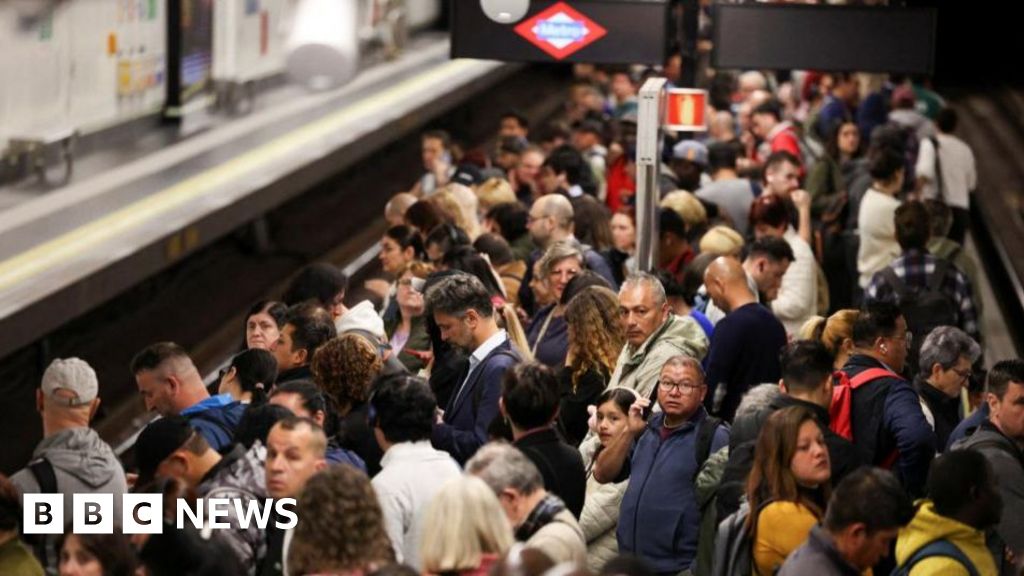
On a seemingly ordinary Monday, Spain was thrust into chaos as its electricity grid suffered a catastrophic failure. At precisely 12:35 PM, the nation experienced a sudden loss of 15 gigawatts of electricity, equivalent to about 60% of its power generation capacity. This unprecedented outage left millions in the dark and disrupted daily life across the country.
The Aftermath of the Outage
It took nearly 23 hours for Spain’s electricity grid to declare a return to normalcy. By 11:15 AM the following day, trains began to run again, although some lines remained suspended. Most homes regained power, but the question lingered: how did the country manage to recover from such a significant disruption?
Understanding the Cause
The root of the problem appeared to stem from two separate connection issues in southwestern Spain, occurring almost simultaneously. Compounding the crisis was a disconnection from the French electricity network that lasted nearly an hour. Eduardo Prieto, the director of operations for Red Eléctrica, noted that the grid had been stable until this sudden loss of generation.
The Role of Renewable Energy
Interestingly, the outage coincided with a peak in solar energy production. Just minutes before the blackout, Spain was generating over 60% of its electricity from solar photovoltaic sources, supplemented by wind and nuclear energy. This heavy reliance on renewable energy has sparked debate among public figures, with some attributing the outage to an over-saturation of solar power.
The Recovery Efforts
Restoring power was no small feat. The initial focus was on reactivating the northern and southern power-generating regions. The grid operator emphasized the importance of a careful, phased approach to avoid overloading the system and triggering another outage. This meticulous process, known as a "black start," involved gradually bringing hydroelectric and combined-cycle gas plants back online.
International Assistance
Spain’s neighbors also played a crucial role in the recovery. Morocco provided 900 MW of power through high-voltage lines, while France gradually increased its electricity supply to Spain, eventually contributing up to 2,000 MW. By the evening of the outage, more than a fifth of the demand had been restored, thanks to both domestic generation and international support.
The Economic Impact
As the dust settled, the economic ramifications of the outage began to emerge. The CEOE, a business organization, estimated a staggering €1.6 billion hit to the economy. Political leaders quickly entered the fray, with criticisms directed at the government’s response and the overall image of Spain projected to the world.
Community Resilience
Despite the turmoil, the Spanish public demonstrated remarkable resilience. Hospitals equipped with backup generators managed to maintain critical care services, while local communities rallied to assist those stranded by the outage. In Barcelona, police returned to regulating traffic manually, and a conference center in Girona was transformed into a shelter for those affected.
The Call for Blood Donations
Amid the chaos, an urgent call for blood donations was issued in Madrid, coinciding with an upcoming public holiday weekend. This highlighted the community spirit that emerged in the face of adversity, as residents came together to support one another.
Lessons for the Future
As Spain begins to assess the situation, Prime Minister Pedro Sánchez has vowed to learn from this crisis to prevent future occurrences. However, energy experts warn that the infrastructure may not be equipped to handle the increasing reliance on renewable energy sources. Earlier warnings from the power grid operator about the risks of excessive renewable energy have resurfaced, raising concerns about the stability of Spain’s electrical system.
Public Sentiment
The public’s sentiment is mixed. While many praised the government’s efforts to restore power and maintain essential services, the incident has sparked a broader conversation about energy policy and infrastructure. A viral clip of Red Eléctrica’s president, who previously assured the public of the safety and reliability of Spain’s electrical system, has only intensified scrutiny.
This incident serves as a stark reminder of the vulnerabilities inherent in modern energy systems, particularly as nations transition to greener energy sources. The lessons learned from this crisis will undoubtedly shape Spain’s energy landscape for years to come.


