The Challenge of Preserving Fuerteventura’s Popcorn Beach
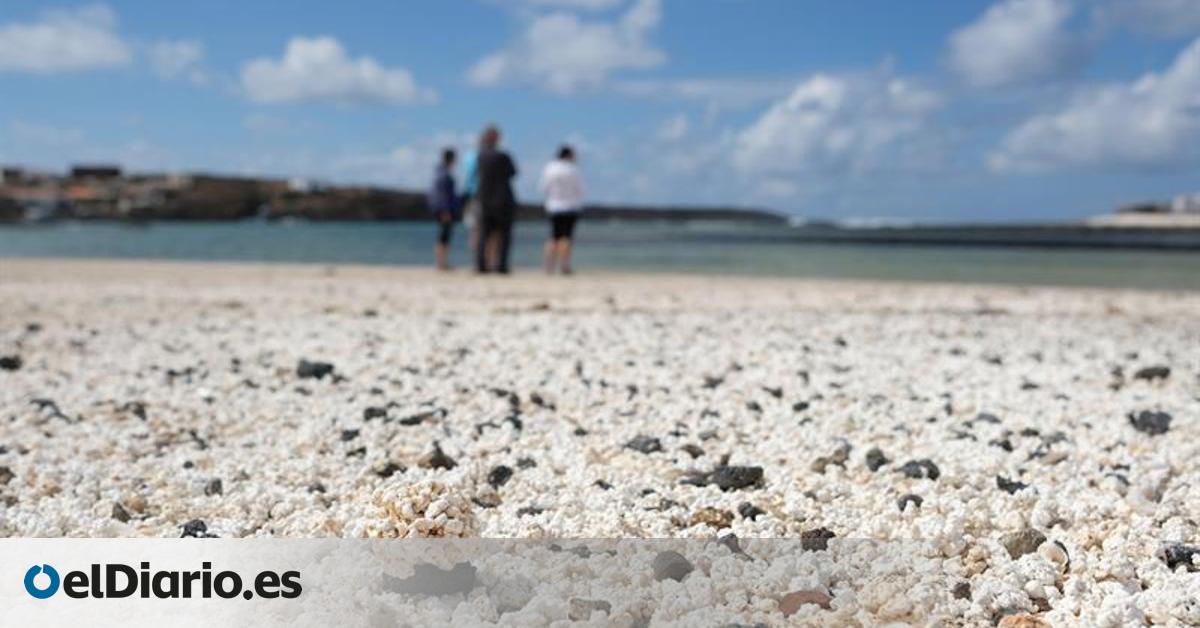
In recent weeks, the Cabildo of Fuerteventura, the island’s governing body, has seen increased dialogue surrounding the preservation of the unique natural resources found on its picturesque shores. The focal point of this discussion is the whimsical “Popcorn Beach,” officially known as Playa de El Cotillo, named for its stunning landscape adorned with charming white “rodlitos” that resemble popcorn.
What are Rodolitos?
The rodolitos are not actually plants but rather a type of marine organism consisting of white coral and calcifying algae. Their fascinating formation appeals not only to locals but also to the influx of tourists that flock to this scenic spot. The aptly named Popcorn Beach has gained notoriety through social media, quickly becoming a hot spot for visitors eager to capture the perfect photo—or score a memento to take back home.
The Threat of Extraction
However, this popularity also harbors a more serious issue: the increasing trend of visitors pocketing these natural treasures. Claudio Gutiérrez, the spokesperson for the Popular Party (PP) at the Cabildo, expressed concern that tourists are taking home hundreds of kilograms of these delicate organisms and even sand and volcanic rocks—sometimes filling their bags and bottles to the brim.
Every day, a significant volume of these extracted materials is impounded at the Fuerteventura airport as officials try to manage the growing concern of natural resource depletion. According to Gutiérrez, the airport serves as a checkpoint where the local government encounters the evidence of this troubling trend.
Calls for Action: A Need for Regulation
Recognizing the seriousness of the situation, the PP has proposed a resolution urging the island’s government to partner with AENA, the Spanish Airports and Air Navigation entity. The aim is to establish an agreement to facilitate the return of these rodolitos to their natural habitat—a process that would involve employing licensed managers specializing in ecological restoration.
María Saavedra, another prominent figure in the PP, emphasized that this is not merely a matter of aesthetics or inconvenience; it’s a significant ecological concern. “Hundreds of kilos pile up daily at the airport. It’s crucial we take measures to educate tourists about the importance of preserving these natural resources,” she stated.
Educational Campaigns: A Path Forward
The proposed solution includes launching educational campaigns aimed at raising awareness about the prohibitions in place regarding the extraction of natural materials. Specific signage in multiple languages would help inform tourists—especially at the frequently visited beaches like El Hierro and Majanicho. Current gaps in knowledge pose risks, as many visitors are simply unaware that taking home these natural “souvenirs” is illegal.
Enforcement Challenges
While the airport personnel, along with the Civil Guard, are tasked with confiscating these materials, enforcing fines or penalties on foreign tourists presents its own set of challenges. Gutiérrez pointed out that Spain lacks agreements enabling the effective processing of such penalties for non-residents. This regulatory gap complicates the prevention of resource extraction and highlights the urgency for a robust public education initiative.
A Community Effort
To embody the spirit of this conservation effort, it’s essential for local communities and businesses to collaborate with governmental bodies. Utilizing social media platforms for outreach can play a pivotal role in spreading awareness and passionately advocating for the preservation of Fuerteventura’s unique natural beauty.
The effort represents much more than merely safeguarding a picturesque beach; it is about ensuring future generations can appreciate the stunning and surreal landscapes that make Fuerteventura a haven for nature lovers around the globe. The combination of community involvement, education, and formal agreements could pave the way for a more sustainable future for this enchanting island.
In the face of rising tourism, it becomes imperative that both locals and visitors alike understand their role in protecting these exceptional coastal ecosystems. The future of Popcorn Beach, and Fuerteventura’s rich natural heritage, depends on it.