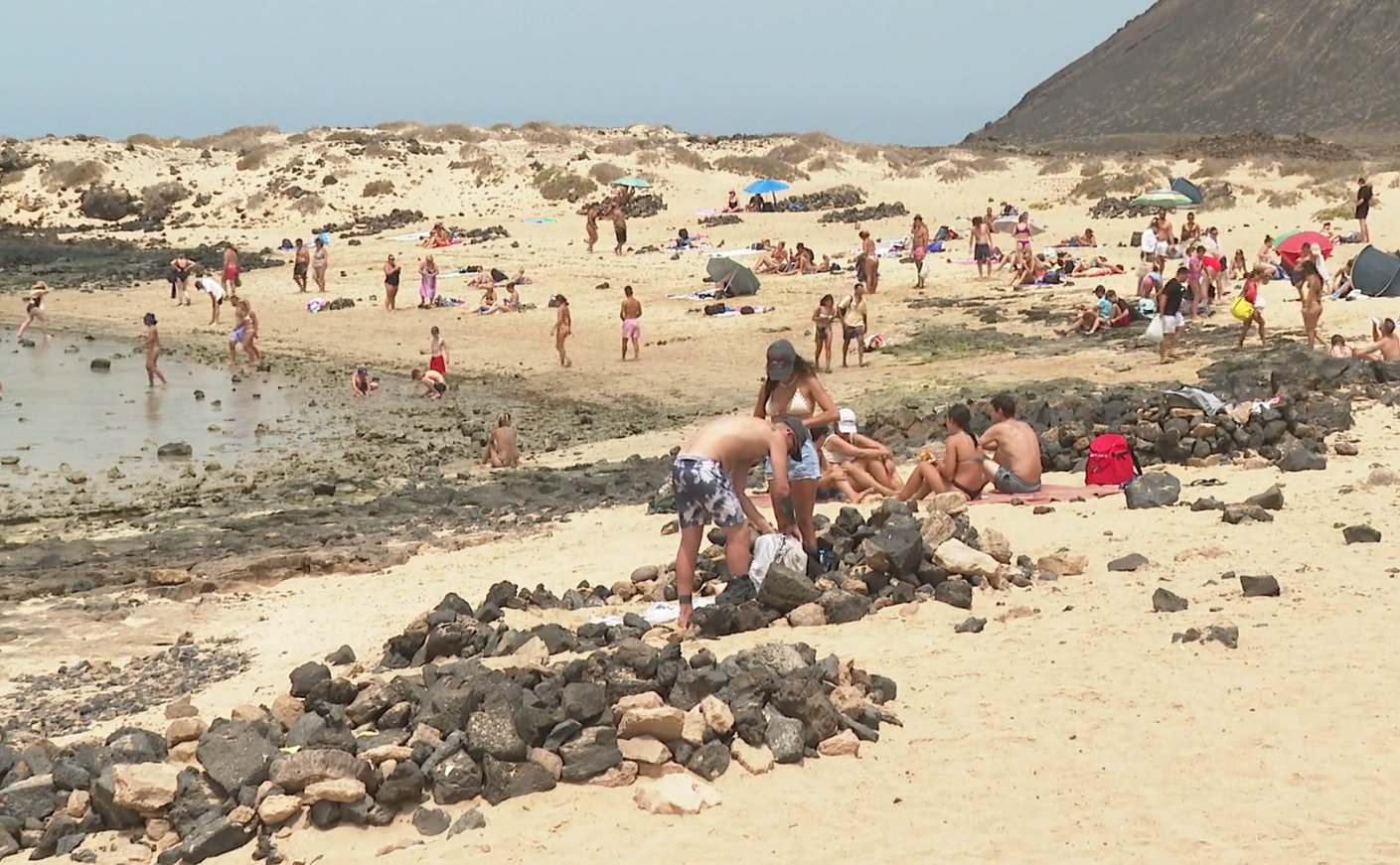
The Overcrowding Crisis of Isla de Lobos: A Natural Paradise at Risk
Isla de Lobos, a stunning, small island nestled between Fuerteventura and Lanzarote, has long captivated visitors with its pristine landscapes and diverse ecosystems. Since being declared a Natural Park in 1982, this slice of paradise has garnered increasing attention from travelers. However, the consequences of this popularity have raised urgent concerns: the island is tripling its daily capacity due to an overwhelming influx of tourists, especially during the bustling summer months.
The Capacity Dilemma
Despite regulations designed to protect Isla de Lobos, the reality on the ground tells a different story. According to the Plan Rector de Uso y Gestión del Islote de Lobos, the island’s visitation cap is set at 400 individuals across two daily shifts. However, during peak times, particularly in August, visitor numbers soar to 1,200, effectively tripling this limit. The surge in tourism not only diminishes the experience for visitors but also threatens the delicate balance of the island’s ecosystem.
The Impact of Tourist Overload
As you step foot on Isla de Lobos, it’s easy to be enchanted by its natural beauty—a view of turquoise waters, unspoiled sandy beaches, and enchanting wildlife. However, this idyllic setting is increasingly feeling the strain of overpopulation. Many long-time visitors can attest to the stark transformation of the island, noting how areas once serene are now brimming with tourists.
This overcrowding comes at a grave cost. The island’s environmental integrity is jeopardized, affecting not just the flora and fauna but also significant archaeological sites, lime kilns, cisterns, natural habitat ponds, and even volcanic craters. Such sites offer insights into the island’s rich history, but unchecked foot traffic and littering threaten their preservation.
The Call for Change: Introducing an Ecotax
In light of these challenges, calls for change are echoing throughout the island’s community. Many stakeholders, including conservationists and local residents, believe that the imposition of an ecotax could serve as an essential measure to control visitor numbers and protect the island’s fragile ecosystem. This potential tax would apply to tourists, providing a financial mechanism to support conservation efforts while managing overcrowding.
The Cabildo of Fuerteventura is already taking steps to enhance surveillance and oversight on Isla de Lobos, acknowledging the growing concern among visitors and locals alike. Discussions around the implementation of this ecotax are gaining traction as the need for solutions becomes increasingly urgent.
The Future of Isla de Lobos: Finding a Balance
For Isla de Lobos to retain its status as a cherished natural park, it is crucial to strike a balance between tourism and ecological preservation. The island holds immense cultural and natural wealth, making it a valuable asset for future generations. Conversations are ongoing about how best to manage its resources while ensuring that visitors can continue to enjoy its breathtaking beauty without compromising the island’s health.
By fostering an understanding of the importance of responsible tourism, we can collectively work towards safeguarding Isla de Lobos for decades to come. Enjoying the island’s wonders should not come at the expense of its natural heritage—it’s time to prioritize sustainability before it’s too late.