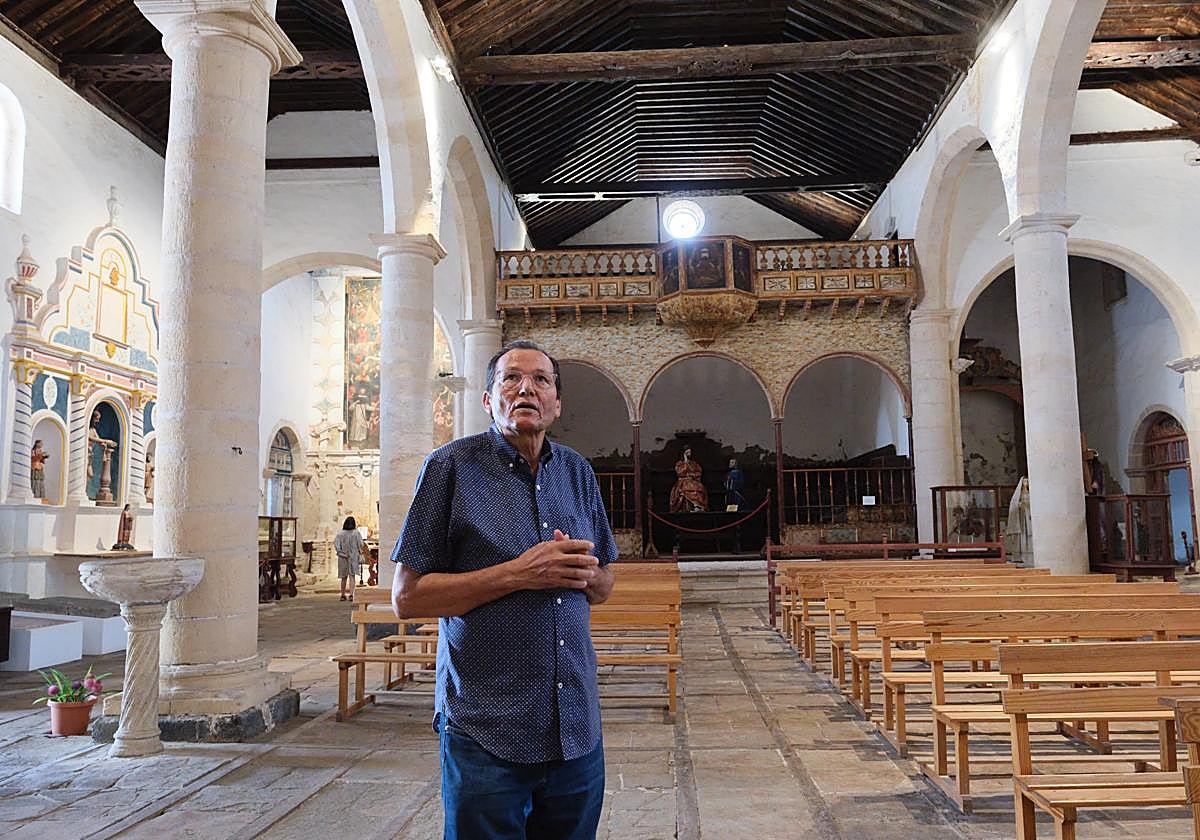
Discovering the Historical Treasures of Betancuria: Uncovering the Franciscan Church of San Buenaventura
The picturesque island of Fuerteventura, part of Spain’s Canary Islands, holds a rich historical tapestry woven through centuries of cultural evolution. Recent excavations in Betancuria have unveiled significant archaeological findings that shine a light on this history, particularly regarding the Franciscan Church of San Buenaventura, founded in the early 15th century. These discoveries not only reveal the church’s architectural heritage but also promise to deepen our understanding of the post-conquest era in the Canaries.
Unveiling the Original Foundations
Excavations led by Tibicena, Arqueología y Patrimonio have documented the original remnants of the Franciscan church. Despite its long-standing existence, much about its original design and eventual disappearance has remained a mystery. The recent work carried out by archaeologists indicates that they have uncovered some of the church’s oldest and best-preserved walls, dating back to the period immediately following the conquest of the Canary Islands.
The Scientific Journey of Authentication
Marco Antonio Moreno, the lead archaeologist on the project, has shared fascinating insights about the methodology used to date the materials. Two separate laboratories in Barcelona and Poland conducted carbon dating on the lime used for sealing the walls, confirming their original production around 1413. This scientific backing not only reaffirms the authenticity of the church’s age but also elevates the historical significance of the remaining structures yet to be excavated.
A Collaborative Effort for Cultural Recovery
The project initially launched in 2018, under the auspices of the regional Cultural Heritage Directorate, began with humble expectations. However, recent campaigns, particularly one funded by the Cabildo of Fuerteventura in 2022, have opened new avenues for archaeological exploration. The first phases of excavation revealed not only the foundations of the long-lost cloister but also various hydraulic infrastructures that spoke to the ingenuity of past inhabitants.
Surprising Revelations Amidst the Ruins
Perhaps one of the most intriguing aspects discovered during this excavation is the remains of human burials. This finding challenges the long-held belief that the church was emptied in the latter half of the 20th century. Additionally, significant artifacts were uncovered at the church’s altar, including walls believed to date from the 17th century. Historical records indicate that this period marked a critical architectural shift, where the temple was relocated from its original site to mitigate moisture issues—a striking reminder of the interplay between environment and architecture.
The Cultural Significance of the Findings
The cumulative discoveries from these excavation efforts transform the conventual space into a critical piece of post-conquest heritage for Fuerteventura and its surrounding islands. It highlights the evolution of religious architecture and community life in the Canaries, serving as an invaluable resource for historians and archaeologists alike.
Looking Ahead: Future Excavations and Studies
Despite these groundbreaking finds, the excavation director emphasizes that much work remains. The complexity of the site suggests the necessity for a long-term archaeological intervention, one that promises to continue unearthing the rich history embedded in this significant location. Moreno advocates for a comprehensive approach to further excavations that transcends current expectations and embraces the potential hidden within the remnants of this historic church.
A Journey Through Time
The ongoing excavations in Betancuria are not merely about unearthing physical remnants but also about piecing together the stories and experiences of those who walked the land centuries ago. As archaeologists continue to explore, the fabric of Fuerteventura’s past is gradually being unveiled, offering a more profound appreciation for the island’s cultural legacy. The Franciscan Church of San Buenaventura stands as a testament to resilience, adaptation, and the enduring spirit of a community that has evolved over generations.