La Carpa de Fuerteventura: A Sustainable Music Festival Making Waves
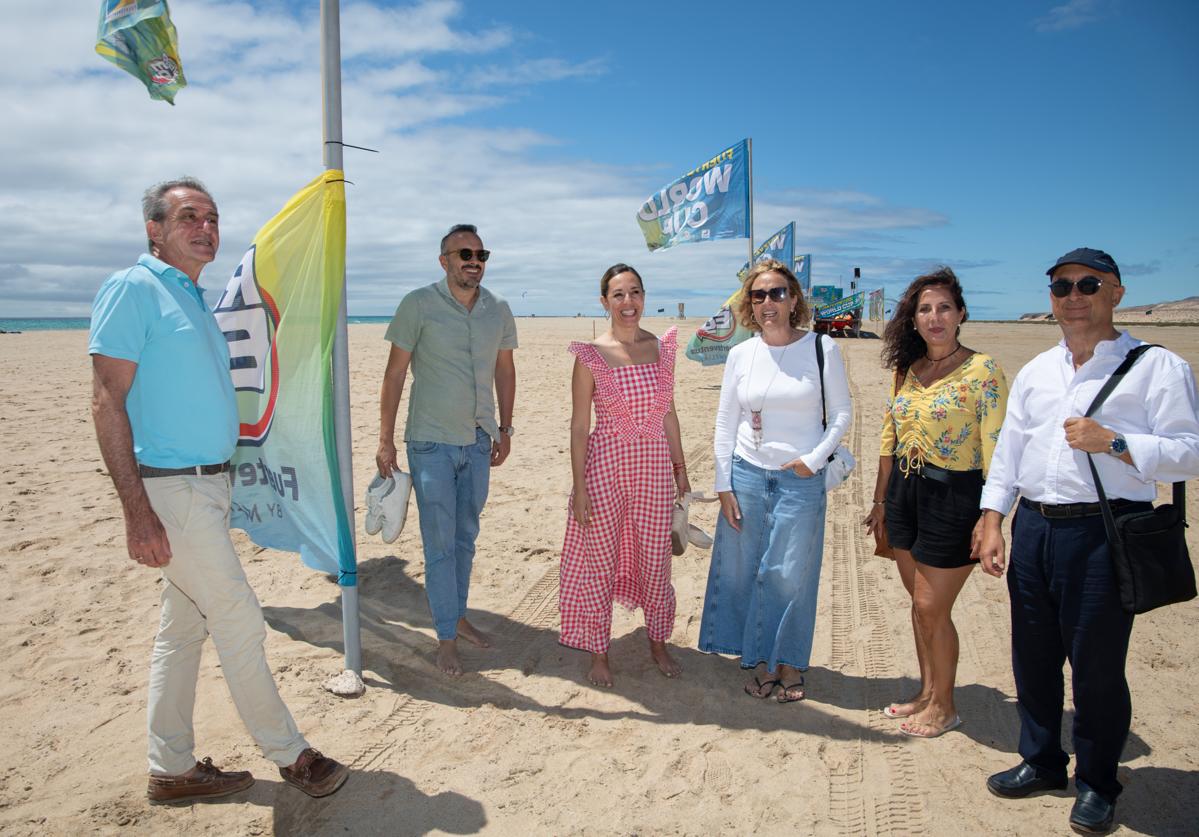
On a vibrant Monday in Fuerteventura, the key players in the island’s tourism sector converged to visit La Carpa, a music festival that has become a beacon for sustainable tourism. Jessica de León, the Canarian Minister of Tourism and Employment; Miguel Ángel Rodríguez, the Director General of Order, Training, and Promotion of Tourism; and Héctor Mateo, the Director General of Infrastructure, Sustainability, and Tourist Quality, took the opportunity to admire the festival’s developments and its commitment to environmental stewardship.
A Focus on Sustainability
During their visit, Jessica de León emphasized La Carpa’s dedication to environmental protection. This year, the festival has integrated several measures aimed at maximizing energy efficiency and safeguarding the natural landscape that plays host to this iconic event. For de León, these efforts are not merely about compliance; they resonate deeply with local values, especially for the residents of Fuerteventura, known as “majoreros.”
Among the exciting new initiatives introduced is the festival’s debut measurement of its carbon footprint. By utilizing a free digital tool provided by Turismo de Islas Canarias, La Carpa aims to assess its emissions effectively. This innovative approach will be crucial in guiding future efforts to mitigate the festival’s environmental impact, with concrete goals set for carbon offsetting in upcoming editions.
Beyond Music: A Multifaceted Experience
La Carpa is not just a music festival; it is a multifaceted event that diversifies Fuerteventura’s tourism offerings. By marrying the island’s signature sun-and-beach appeal with vibrant cultural, gastronomic, and sporting agendas, the festival truly enriches the visitor experience. Notably, it coincides with the World Windsurfing and Windfoiling Championship, an event steeped in history, celebrating its 36th year on the idyllic beaches of Sotavento. This partnership ensures that the best athletes from 14 different countries converge on Fuerteventura, solidifying the island’s reputation as a premier racing destination.
With more than 230 athletes participating this year, supported by the Meliá hotel chain, the synergies created by these events are palpable. De León highlighted how the benefits arising from tourism extend to various sectors and stimulate the local economy. La Carpa, through its operations, exclusively collaborates with local businesses and providers, generating over 150 direct jobs over its 18-day runtime.
Investment in Cultural Events
The government of the Canary Islands remains firmly committed to bolstering initiatives like La Carpa, having invested more than 14 million euros this year alone. Sustainable practices are at the heart of La Carpa’s operations, marking it as the first festival in the Canary Islands to utilize 100% diesel derived from renewable raw materials. Even the artists’ transport is eco-conscious, as their travel is facilitated using zero-emission vehicles.
As a result, La Carpa emerges not only as a leading cultural event but also as a model for how festivals can embrace sustainability, engage local economies, and provide enriching experiences for both residents and visitors alike.
Conclusion on the Horizon
La Carpa represents a critical intersection of entertainment, environmental responsibility, and community engagement, shaping the future of how festivals can coexist with the natural beauty of the Canary Islands. As other festivities look to La Carpa for inspiration, the foundation for a more sustainable cultural future is firmly being laid in Fuerteventura’s sandy shores.
The proactive steps taken by the local government and festival organizers underline a promising trajectory, positioning La Carpa as a forerunner in the cultural landscape of the Canary Islands, advocating for a harmonious blend of tourism and environmental care.
 "The Most Beautiful Pristine Beaches in Europe Are in Fuerteventura")
