The Ripple Effects of Culinary Migration
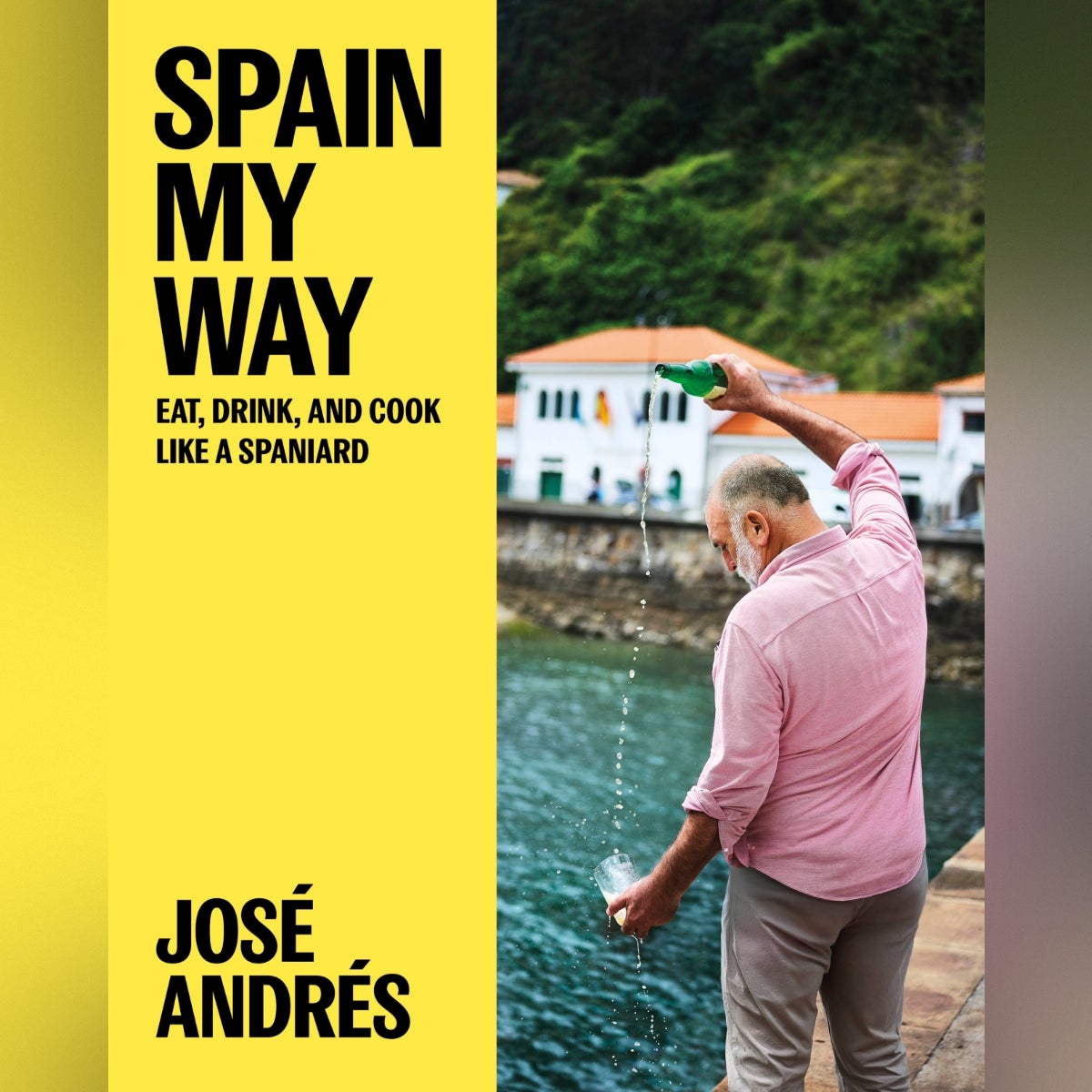
The culinary landscape is a tapestry woven from countless threads of migration, adaptation, and reinvention. Chef José Andrés highlights this phenomenon, particularly through the lens of Spanish cuisine and its far-reaching influence. The effects of Spanish culinary traditions have rippled far beyond the borders of Spain, leaving indelible marks on food cultures around the world. One striking example is Mexico’s al pastor, a dish that traces its roots back to Lebanese immigrants. This serves as a reminder that food traditions are not static; they are constantly evolving as they are carried across borders and adapted to new contexts.
Defining American Cuisine
As Andrés embarks on a new project—a cookbook focused on American food—he grapples with a deceptively simple yet profound question: What exactly is American cooking? He acknowledges that while one can freeze a moment in time to define a cuisine, such as labeling a dish as “Spanish cooking,” the reality is far more complex. “You have to put kind of a date,” he explains, emphasizing that cuisines are less about fixed identities and more about snapshots in time. What feels essential today may have been a novel idea a century ago, and what seems timeless may have origins in distant lands.
The Evolution of Traditions
Andrés uses oysters as a compelling example to illustrate how food traditions can change over time. Once a staple of American commerce and daily life, oysters were preserved, pickled, and shipped across the country. Today, while Americans still enjoy oysters, many of those traditional practices have faded into obscurity. In contrast, preserved seafood remains a cornerstone of Spanish culinary culture, evident in dishes like escabeche and celebrated tinned fish. This raises intriguing questions for Andrés: Why do some foods endure while others fade away? What factors contribute to the longevity of certain culinary traditions?
The Diversity Within Spain
The complexity of culinary traditions is not limited to the global stage; it exists within Spain itself. Andrés often describes Spain as one of Europe’s most diverse culinary landscapes. The country’s geography, language, and local customs can change dramatically over relatively short distances. “We are what, the size of Texas?” he quips, pointing out that one can drive just 100 kilometers and encounter entirely different dishes and drinking traditions. This regional diversity is not just a quirk; it is a beautiful aspect of Spanish culture that Andrés cherishes.
Personal Culinary Journey
Andrés’s own culinary journey began in Asturias and continued in Barcelona, where he experienced firsthand the rich tapestry of Spanish food. He recalls bringing sandwiches made with Cabrales cheese and membrillo to school, only to be met with confusion from classmates who were accustomed to different flavors. This early experience served as a poignant reminder that there is no singular Spanish cuisine; rather, the foods and customs that feel essential in one region can seem entirely foreign just a few hours away.
The Challenge of Preservation
Throughout his career, Andrés has often found himself in the role of protector of Spanish cuisine. As Spanish food gained popularity in the United States, he pushed back against shortcuts and misconceptions, humorously referring to the “horrors” committed in the name of paella. His goal was never to freeze Spanish cooking in time but to ensure that people understood its rich traditions before attempting to reinvent them. “I felt like I had to be the holder of the tradition,” he admits, a sentiment that has shaped his culinary choices and the dishes he serves.
Embracing Evolution
Yet, as Andrés delves deeper into food history, he confronts a central lesson: the traditions he sought to protect were themselves products of adaptation and migration. This realization has prompted him to reconsider his role in the culinary world. Rather than merely acting as a guardian of Spanish cuisine, he now sees room for evolution, experimentation, and new interpretations. “Now I think I’m going to give myself maybe more freedom in the next 30 years of my life,” he reflects, signaling a shift in his approach to cooking and culinary identity.
The Future of Culinary Traditions
Andrés’s journey illustrates the dynamic nature of food traditions and the importance of understanding their histories. As he continues to explore the intersections of culture and cuisine, he embraces the idea that culinary identities are not fixed but rather fluid, shaped by the ongoing interplay of migration, adaptation, and innovation. This perspective not only enriches his own cooking but also invites others to appreciate the complexities and stories behind the foods they love.