The Heritage of Las Margaritas: A Glimpse into Traditional Livestock Farming
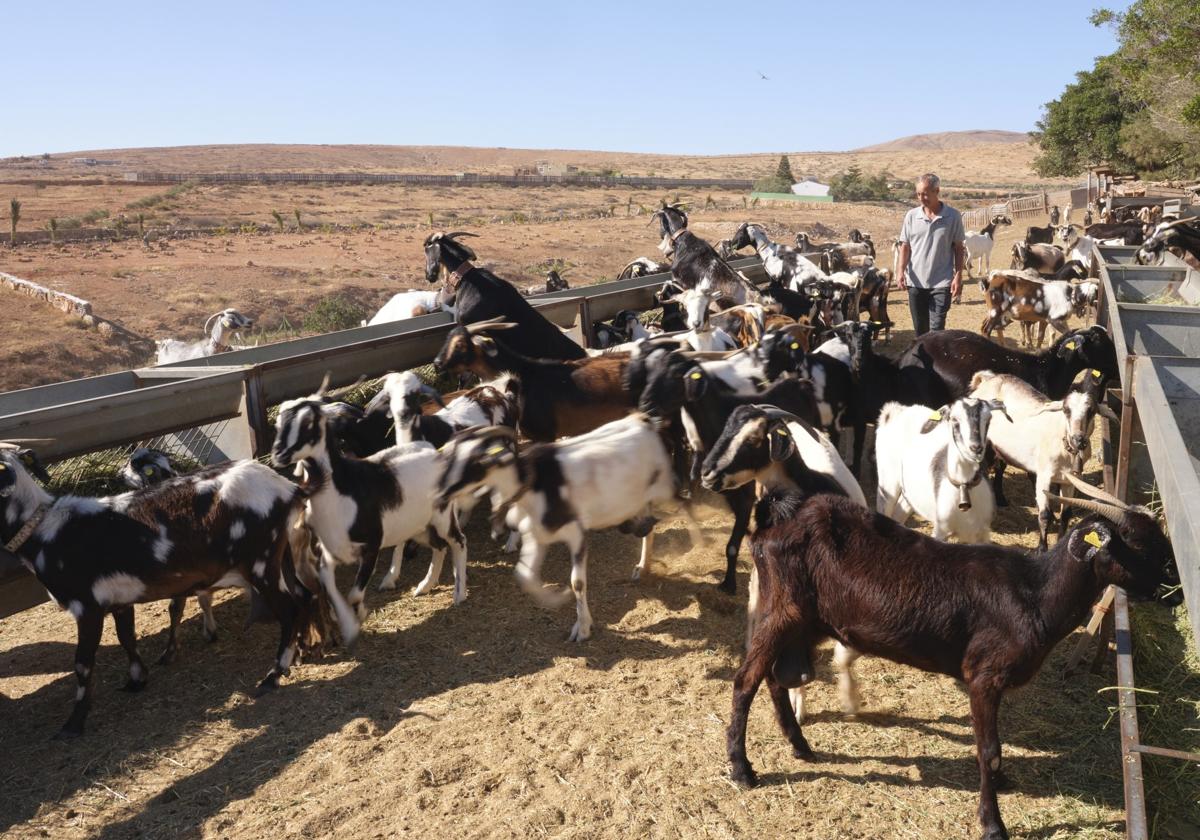
Nestled in the picturesque landscape of the Llanos de la Concepción lies Ganadería Las Margaritas, a dairy farm that epitomizes the essence of traditional livestock farming in the Canary Islands. The world seems to pause here, where the gentle hum of electric milking machines disrupts the morning stillness, and the aroma of fresh alfalfa fills the air. Despite some modern innovations, the daily operations here resonate with the rhythms of rural life that have not changed much in the past half-century.
A Familial Legacy: Matías and Marita
Matías Alonso Robayna, the figure behind Las Margaritas, has dedicated his life to livestock farming, learning the art of milking when he was just a child. Growing up in El Campo, he honed his skills by milking his family’s goats and making cheese—activities that, for him, were inseparable from childhood. After moving to Gran Barranco with his mother, Margarita, he eventually transitioned to the current farming grounds in Llanos de la Concepción, all within the traditional municipality of Betancuria.
His cheese brand, Las Margaritas, is named after the two most important women in his life—his mother and sister, Marita. Their shared passion for farming has flourished over the years, with Matías reflecting on how the community has shaped their journey. Though he has been farming for over 27 years, recent economic conditions pose new challenges that threaten the very core of their livelihood.
The Current Climate: Rising Costs and Present Struggles
As many farmers can attest, the economic landscape has undergone significant shifts, particularly concerning animal feed costs. Matías speaks candidly about how prices have tripled recently, exacerbated by external factors, including the conflict in Ukraine. “We’re all feeling the pinch,” he remarks, highlighting the universal struggle among livestock farmers on the island.
While Matías does receive government subsidies from various entities, he acknowledges that these financial aids merely serve as a stopgap solution. “Living off subsidies isn’t truly living,” he says. “You can’t sustain your passion and work solely on what you receive rather than what you produce.”
The Art of Cheese-Making
Matías has never shied away from the labor-intensive craft of cheese-making. Each day, he produces around 40 kilos of cheese, with his specialty being the aged cheese infused with paprika and oil. “It’s all about doing it the way my ancestors did,” he emphasizes, ensuring that the artisanal methods remain intact. His cheeses find their way to local enthusiasts who appreciate the craft and distinct flavors of home-made products over the mass-produced varieties found in supermarkets.
The family’s roots trace back to a modest six goats in El Campo; now, Matías manages a herd of around 300 in Llanos de la Concepción. This growth mirrors not just his dedication but also a commitment to quality. The dairy goats are expected to yield about four to five liters of milk a day, sustaining both their needs and the local market.
Changes Due to Environmental Factors
Despite the lineage of traditional practices, Matías has recently had to adapt due to shifting environmental conditions. A notable change is the confinement of the goats, no longer allowed to roam freely as they once did. “It hasn’t rained, and there’s no grass for them to graze,” he explains. Gone are the days when they could nurture their goats in wide-open spaces, allowing them to feed on natural vegetation that enhanced the flavor of their cheese. “The taste is different when the goats eat grass,” he reminisces, nostalgic about times when the herding experience itself added layers of flavor to the cheese.
A typical day at Las Margaritas is far from leisurely. Matías begins his mornings at seven, immediately diving into milking and cheese-making. His routine is punctuated by careful feeding—they depend on pre-packaged feed and alfalfa rather than natural grazing. Gone are the simpler days when a portion of maize and open pastures sufficed for their dietary needs.
The Daily Routine of a Farmer
Life at the farm is a testament to relentless dedication, with no holidays in sight. Even weekends mirror the workweek, although on Sundays, there’s a slight reprieve from cleaning the pens. Matías adapts, shifting between tasks like milking and breaking for lunch, ensuring that the goats are fed by four in the afternoon. “There’s always something to do,” he reflects pragmatically.
Every aspect of his daily routine speaks volumes about a life intertwined with the land, where the challenges and rewards of farming are felt in every drop of milk and wheel of cheese produced. The essence of Las Margaritas and the stories woven through it echo a deeper narrative about sustainability, tradition, and the enduring spirit of rural life, all while grappling with the complexities of modern-day agriculture.