A Call to Action to Protect Natural Heritage
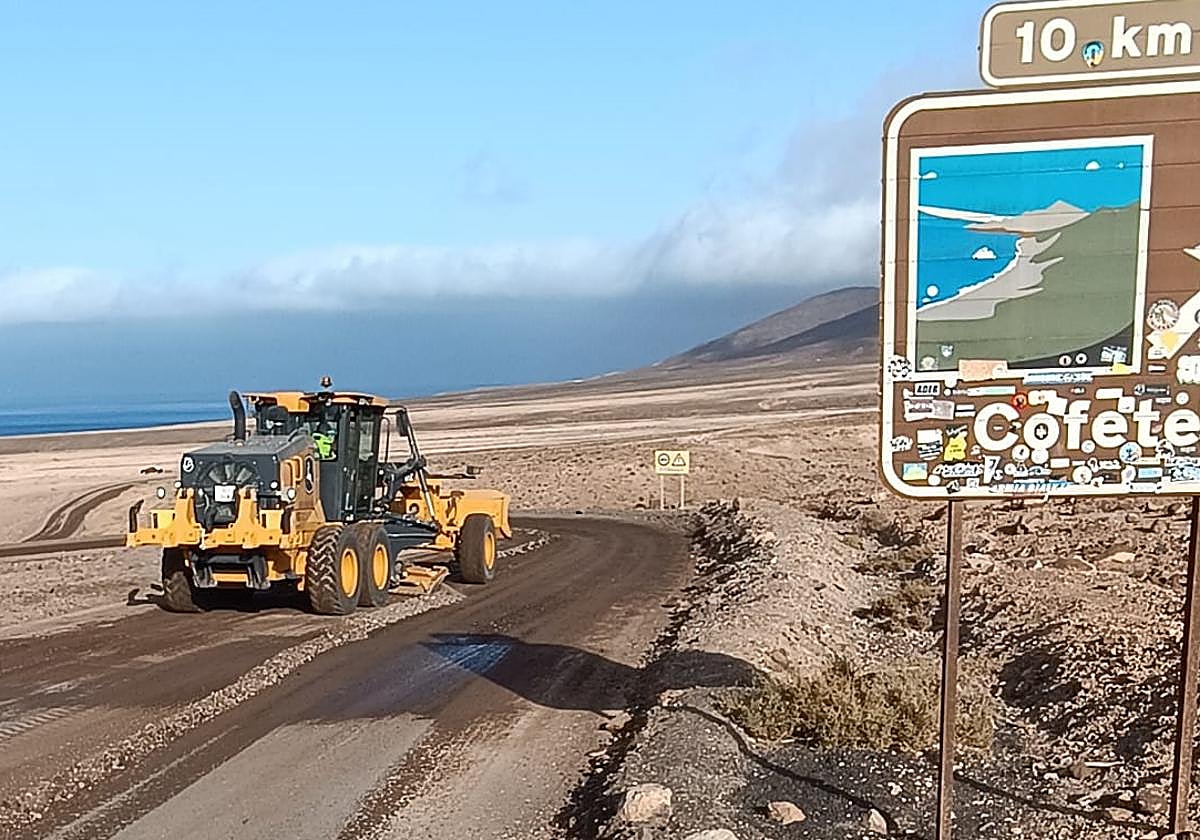
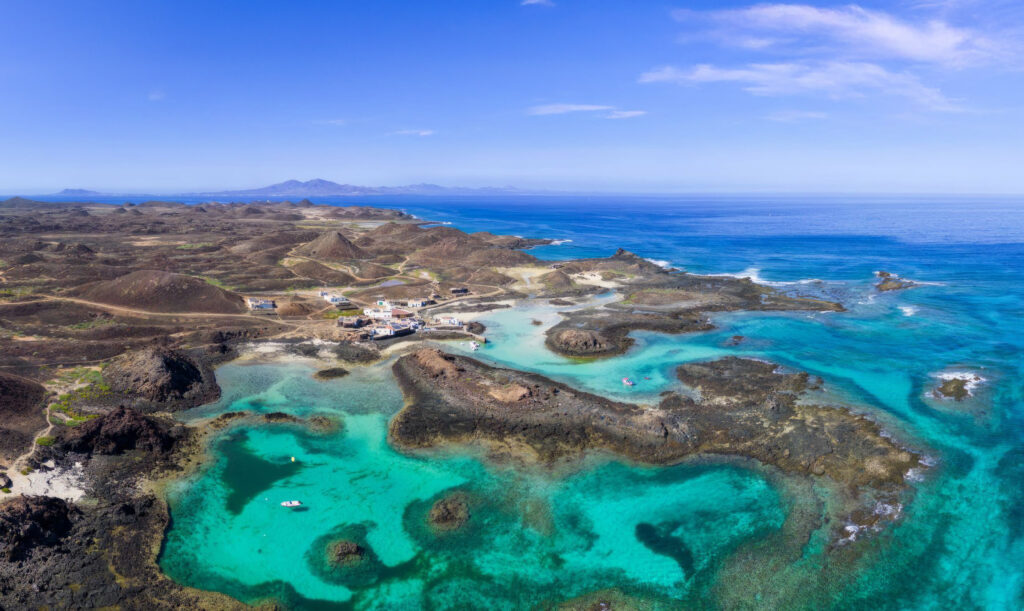
In recent discussions surrounding the preservation of Fuerteventura’s delicate ecosystems, Nueva Canarias has once again emphasized the critical need for the local government, known as the Cabildo, to implement a tourist tax. This tax is designed to regulate access to high-value natural spaces, such as the Islote de Lobos and the stunning beach at Cofete. Sonia Álamo, the island’s councilor from Nueva Canarias, passionately argues that decisive action is essential to mitigate the human impact on these fragile enclaves. The proposal specifically targets non-resident tourists, aiming to redirect a portion of the wealth generated by tourism into conservation efforts that protect the island’s unique environment.
Despite the urgency expressed by environmental advocates, the Cabildo has yet to take definitive action on this matter. As noted by Nueva Canarias, the President of the Cabildo had previously hinted at the possibility of implementing the tax in the summer months during multiple occasions, including at the FITUR (International Tourism Fair) in January 2026. However, as of now, concrete steps and firm decisions remain elusive. This delay is concerning, especially when considering the fact that Fuerteventura boasts 13 protected natural spaces that collectively account for approximately 50% of the island’s land area.
The Impact of Tourism and the Need for Effective Regulation
With an increasing promotion of Fuerteventura as a “refuge destination,” there are rising concerns about a potential surge in visitor numbers. This growth in tourism could exacerbate saturation, particularly in sensitive areas like Lobos and Cofete. Nueva Canarias warns that without proactive measures, the island could face an overwhelming influx of visitors, jeopardizing the sustainability of its natural heritage. The organization asserts that the proposed tourist tax should not be viewed as a punitive measure against visitors; rather, it is a pragmatic approach to managing and safeguarding Fuerteventura’s unique landscapes.
Tourism, while a vital economic engine for the island, comes with its own set of challenges. Unregulated access to pristine natural spaces can lead to environmental degradation, threatening the very ecosystems that attract tourists in the first place. Organizations like Nueva Canarias stress that responsible tourism should not only benefit local economies but also preserve the natural wonders that make destinations like Fuerteventura so special.
Implementing a tourist tax would help foster a sense of shared responsibility among visitors. Tourists would contribute directly to the maintenance and conservation of the spaces they enjoy, creating a sustainable model that ensures these natural treasures are preserved for future generations. Furthermore, by channeling funds into conservation initiatives, the tax could support programs aimed at restoring damaged habitats, protecting endangered species, and enhancing visitor education regarding the importance of environmental stewardship.
As the debate continues, it’s essential for all stakeholders—including local communities, government officials, and tourists—to engage in meaningful conversations about the future of Fuerteventura’s natural spaces. Building a cohesive strategy for tourism that prioritizes ecological integrity will benefit both the environment and the economy in the long run. Now, more than ever, a proactive approach is necessary to ensure that the beauty of Fuerteventura remains intact amidst the pressures of modern tourism.