Exploring Pelotamano: Ricard Santandreu’s Engagement with Fuerteventura
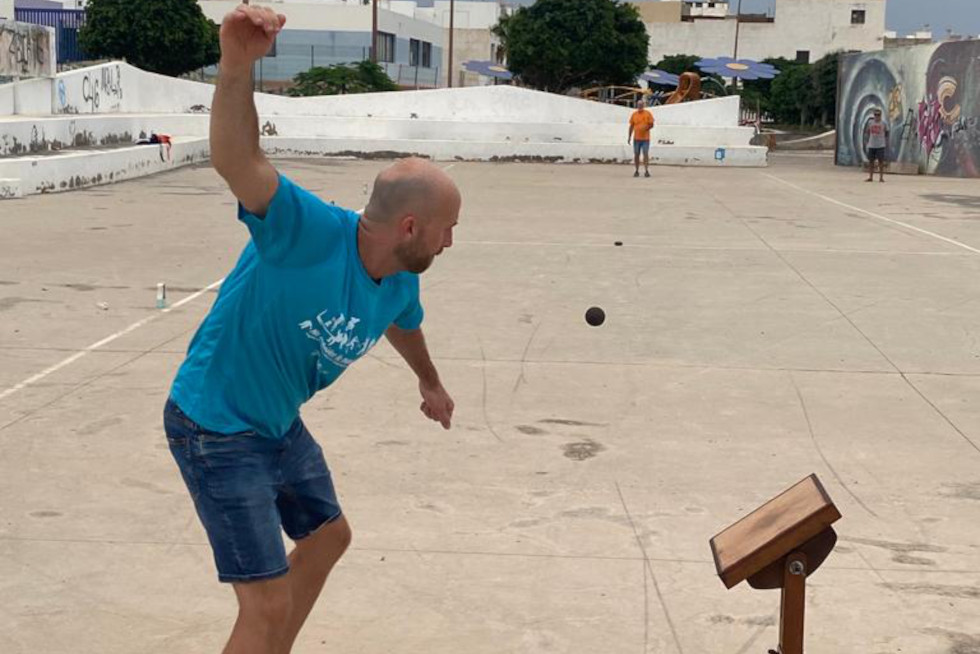
During the week of August 13 to 20, 2023, the island of Fuerteventura welcomed D. Ricard Santandreu Sebastián, an esteemed researcher, scholar, and prominent player of pilota valenciana. Santandreu, who is not only a professor at a university but also a celebrated member of the Valencia national team, took this opportunity to explore Fuerteventura’s traditions surrounding the game of pelotamano.
Known for his achievements in the “raspall” variant of pilota, Santandreu’s interest in traditional games was piqued through conversations with journalist Paco Durá. His visit to the island was marked by insightful discussions about the game’s evolution and intricacies as he toured notable locations where pelotamano is played, including Lajares, El Cotillo, Villaverde, and Tuineje.
Insights into Pelotamano vs. Llargues
One of the highlights of Santandreu’s visit was comparing pelotamano to its close counterpart, the “Llargues” game, prevalent in the Valencian community. This unique opportunity allowed him to witness and appreciate the distinct styles and gameplay techniques of both games firsthand. Through organized meetings and engaging conversations, he delved into the differences, techniques, and community significance of each tradition.
Cultural Engagement and Discussions
The week was vibrant with discussions about the state of traditional games, their origins, and how they can be promoted in contemporary settings. These conversations were not merely about the mechanics of play but extended to the cultural implications and the importance of preserving these games in the face of modernization.
Even though Santandreu expressed a desire to witness lucha canaria during his visit, he was met with disappointment due to the off-season. However, he found fulfillment in exploring lucha terreros, including the ones located in Puerto Cabras and Venancio Guerra in Lajares, where he learned about the cultural significance of these arenas.
Practicing Traditional Games
Another fascinating segment of Santandreu’s itinerary included practicing “el juego de la lata” with local groups such as Puerto Cabras and Sorinque of Gran Tarajal. This interaction sparked an enriching debate regarding the traditional game “el palo,” providing valuable insights for both local players and the visiting professionals on how to integrate education in traditional games for future generations.
The Madel Variant and Innovative Ideas
Santandreu also discussed the “Madel” variant, created in Valencia in 2013, which aims to make use of paddle tennis facilities for practicing pelotamano. He believes that as this variant gains traction, it can nurture talented players who could excel in other forms of pilota valenciana. This innovative use of existing infrastructure drew parallels to the potential for lucha canaria facilities, which could also host various traditional games.
Reflections on Traditional Games
Reflecting on his experiences, Santandreu offered gratitude for the warmth of the island’s hospitality and the valuable interactions with local athletes and scholars. He commended the ongoing activity surrounding pelotamano, stating that it remains a vibrant part of the cultural landscape, though he lamented the need for better preservation efforts to prevent these traditions from fading into obscurity.
Challenges and Opportunities for Promotion
Throughout his discussions with local academic Ulises Castro, they proposed a strategic plan to assess and address the state of traditional games in Fuerteventura. They focused on creating methodologies for teaching these games across various age groups, ensuring that all forms of traditional gameplay could thrive and not fall into disuse.
Moreover, Santandreu emphasized the necessity of integrating local sports culture into the tourism experience. He was surprised to discover gaps in knowledge among hotel staff regarding local sports activities, prompting discussions about providing better resources and training to promote Fuerteventura’s cultural heritage to tourists.
The Lasting Impact of His Visit
Santandreu’s journey culminated in a delightful appreciation of Fuerteventuran cuisine and the local initiative “No Olvides lo Nuestro,” a campaign focused on preserving and promoting traditional games. He left with plans to return and delve deeper into the rich tapestry of traditional sports, promising to contribute to the conservation and celebration of these cultural jewels.
His enthusiasm for these games encapsulates a broader mission: fostering a community that understands and values its unique heritage, ensuring that these precious traditions are not merely remembered but actively engaged with for generations to come.