A New Era for Cabalgatas de Reyes in Fuerteventura
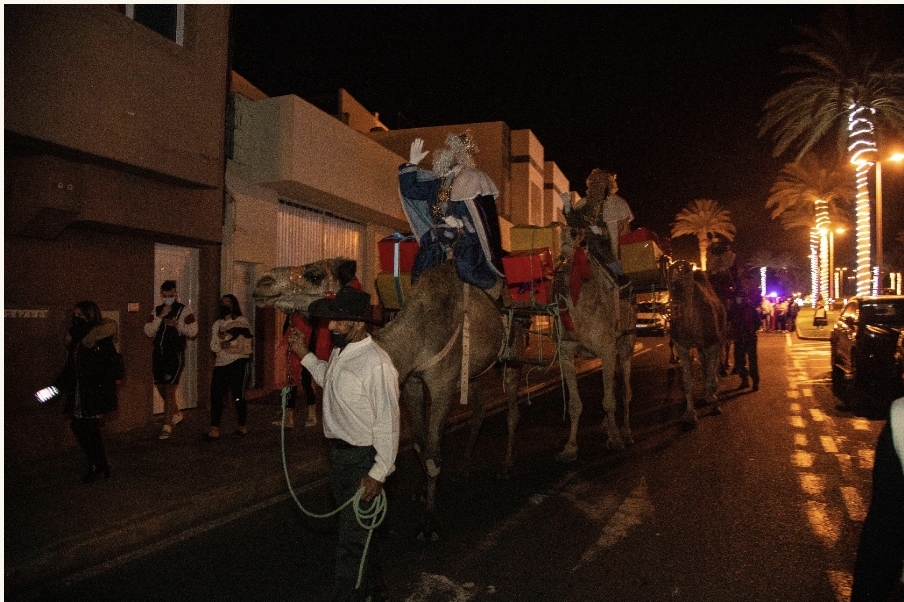
The municipalities of Puerto del Rosario, Pájara, and Tuineje are taking significant strides towards a more culturally nuanced celebration of the Cabalgatas de Reyes, made possible through a collaborative agreement with the Fundación Chekipa and Oasis Wildlife Fuerteventura. This partnership aims to transform the Cabalgatas into authentic cultural celebrations that emphasize community spirit and respect for animal welfare, particularly focusing on the endangered Canarian camel, a species deeply intertwined with the island’s heritage.
A Cultural Shift in Celebration
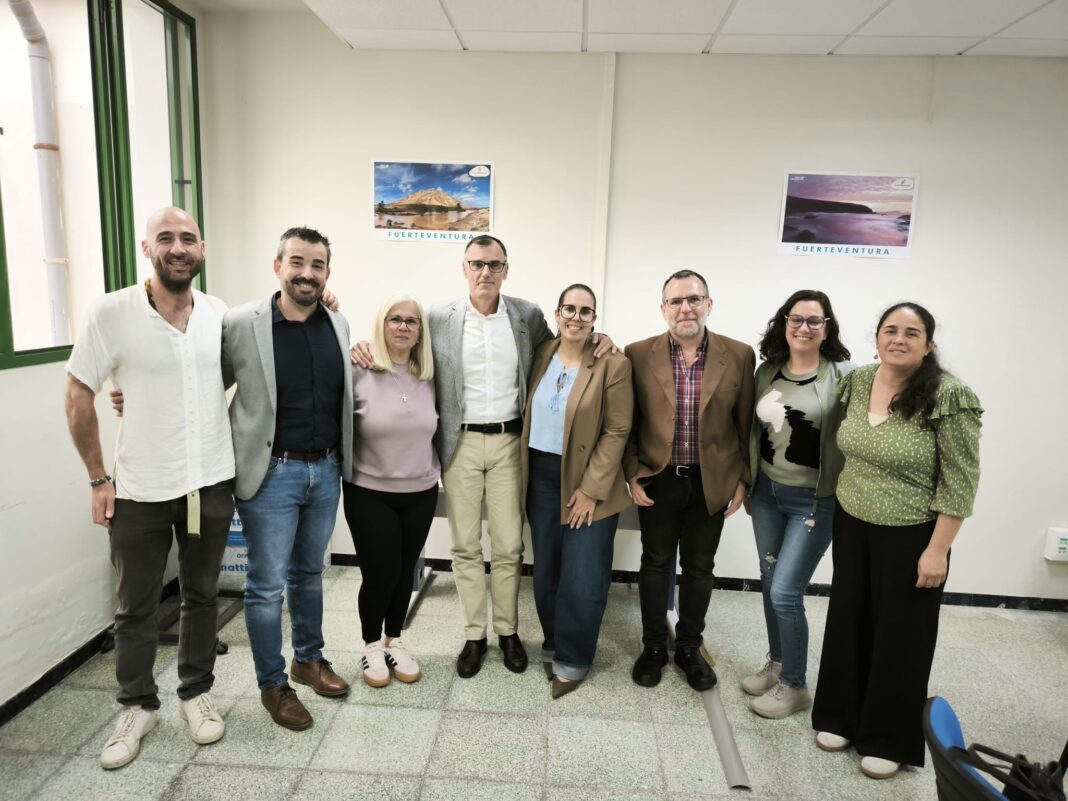
At the heart of this initiative is a structured roadmap designed to reposition the Cabalgatas as more than mere spectacles. Guacimara Cabrera, head of Fundación Chekipa, emphasizes that the integration of Puerto del Rosario, Pájara, and Tuineje into this process represents a considerable commitment by local institutions to revive the cultural essence of the Night of Kings while upholding animal welfare standards. This shift aims at gradually evolving these festivities to reflect values rooted in community and tradition.
Commitments and Visible Changes
According to the established agreement, each of the involved municipalities will begin to implement tangible changes in their Cabalgatas as early as this year. Puerto del Rosario was the first to embrace this model, with Pájara and Tuineje soon following. This phased approach respects the individual needs and rhythms of each locality, allowing for a tailored evolution of the celebrations.
Cultural Relevance and Animal Welfare
Both Fundación Chekipa and Oasis Wildlife Fuerteventura, which oversee the largest camel reserve in Europe, acknowledge the need for a more thoughtful approach to their role in the Cabalgatas. Having provided camels for over four decades, they are now focusing on aligning these contributions with cultural coherence and animal welfare principles. The analysis indicates a trend where some Cabalgatas have shifted towards more entertainment-focused formats, often overshadowing their rich cultural narratives.
Participation of the Canarian camel is only justified within a narrative that respects its significance and relates closely to local traditions and stories. The aim is to ensure that these animals are showcased in settings that fulfill their care requirements while simultaneously enhancing the cultural depth of the celebrations.
A Model Rooted in Community Values
The initial proposal for the new model was introduced in 2022. While adhering to a voluntary adoption process, it clearly stated that municipalities wishing to incorporate camels from Fuerteventura’s reserve must follow the new guidelines. This process is designed to strengthen community engagement and foster a collaborative narrative that reflects the locality’s identity.
The authentic Cabalgatas being proposed entail a return to the original storytelling of the journey to Bethlehem. They will feature characters that resonate with local life, landscapes, and traditions, transforming the celebrations into communal experiences rather than isolated events.
Pilot Projects and Community Engagement
La Lajita is emerging as the pilot project for this renewed approach, celebrating its fourth consective year of authentic, participatory Cabalgatas. This initiative has proven that it’s possible to create celebrations that are educational, sustainable, and aligned with responsible tourism, while simultaneously reinforcing local cultural identity.
Local officials have expressed their visions for these transformations. Tacoremi Gutiérrez, sixth deputy mayor of Puerto del Rosario, highlights that Cabalgatas de Reyes should be a space for shared culture and values. Embracing this new model signifies progress toward a more coherent and inclusive celebration that respects both animal welfare and cultural identity.
Echoing this sentiment, José Manuel Díaz, the Councillor for Culture in Pájara, stresses that the Cabalgatas should be preserved and explained as vital cultural narratives. He sees adopting an authentic model as a way to reinforce the municipality’s identity and elevate community-driven traditions.
Similarly, Tuineje’s officials, José David Herrera and Dulce García, emphasize a realistic approach characterized by step-by-step progress. Collaboration among community members will play a crucial role in enhancing the overall experience and meaning of the festive celebrations.
Collective Commitment to Future Traditions
Finally, it is essential to note that Fundación Chekipa and Oasis Wildlife Fuerteventura will not provide Canarian camels to municipalities that do not comply with the established criteria. This pivotal stance reinforces a shared commitment to a model of Cabalgatas de Reyes that is grounded in authenticity, values, and a vision for preserving an evolving cultural tradition for future generations.
This collective initiative not only breathes new life into a cherished celebration but also paves the way for a harmonious relationship between cultural expression and animal welfare in Fuerteventura.