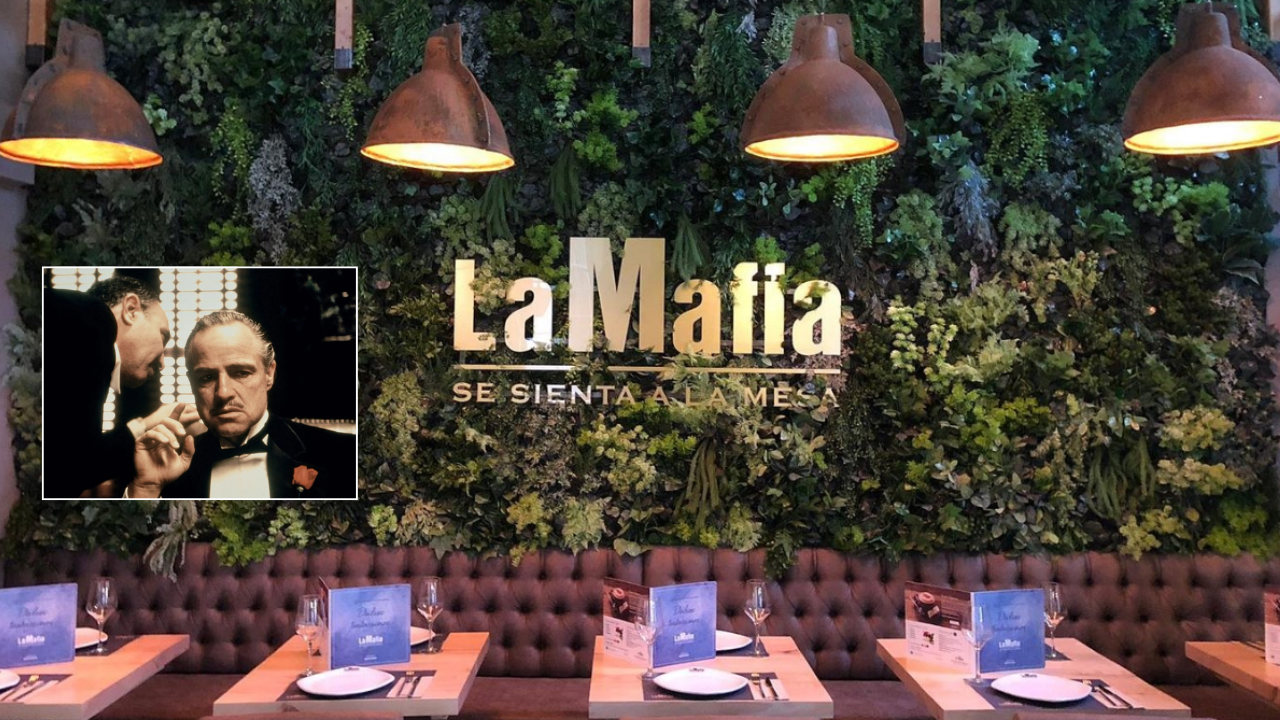
Legal Battle Over Restaurant Name: A Case of Cultural Sensitivity
A leading Spanish restaurant chain, La Mafia se sienta a la mesa, has been ordered to change its name following a protracted legal dispute initiated by the Italian government. This ruling has sparked discussions about cultural sensitivity, the implications of branding, and the intersection of law and morality in business.
The Controversial Name
The name La Mafia se sienta a la mesa, which translates to “The Mafia Sits at the Table,” has drawn ire for its apparent trivialization of organized crime. The Italian government has argued that the name undermines serious efforts to combat mafia-related activities, particularly those associated with notorious groups like the Cosa Nostra. The restaurant chain, which has become a staple in Spain since its inception in the early 2000s, now faces the challenge of rebranding after Spain’s patent and trademark office ruled that the name contradicts public order and morality.
Legal Proceedings and Rulings
The legal saga has spanned several years, with the Italian government pursuing the case through various courts and official channels. In a significant ruling eight years ago, the European Union’s Intellectual Property Office deemed the name unlawful, asserting that it projected a “globally positive image” of the mafia. This ruling highlighted the potential for the name to offend victims of organized crime and their families, as well as the general public.
Spain’s trademark office echoed these sentiments, stating that the name directly references a real criminal organization whose activities are not merely fictional but a persistent reality. This perspective underscores the seriousness with which the legal system views the implications of branding in relation to societal values.
The Restaurant’s Defense
In response to the ruling, the restaurant chain has maintained that the name was inspired by a recipe book rather than the infamous criminal organization. They argue that the term “mafia” has been adopted in various cultural contexts, including literature and film, and is often perceived by the Spanish public as a reference to a broader cultural phenomenon rather than a direct association with crime.
The company has expressed frustration over the lack of opportunity to clarify the origins and intentions behind their name. They emphasize their commitment to providing a high-quality Italian-Mediterranean culinary experience, distancing themselves from any negative connotations associated with the term “mafia.”
Public Reaction and Cultural Implications
The ruling has ignited a broader conversation about the responsibilities of businesses in choosing names that may evoke strong cultural or historical associations. Critics of the restaurant’s branding argue that trivializing organized crime, even unintentionally, can perpetuate harmful stereotypes and diminish the gravity of the issues surrounding mafia activities.
Conversely, supporters of the restaurant contend that the name is a form of cultural expression, reflecting a playful engagement with a term that has permeated popular culture. This dichotomy raises questions about the balance between creative freedom and social responsibility in branding.
Future Prospects for the Restaurant Chain
As La Mafia se sienta a la mesa prepares to navigate this legal and reputational challenge, the restaurant chain faces the task of rebranding while maintaining its identity and customer base. The company has expressed a desire to focus on its culinary offerings and the unique dining experience it provides, suggesting that the essence of the brand lies in its food rather than its name.
With over 60 locations across Spain, the restaurant chain has established a significant presence in the culinary landscape. The upcoming rebranding will be crucial in determining how they can retain their loyal customers while adhering to legal mandates and societal expectations.
Conclusion
The case of La Mafia se sienta a la mesa serves as a poignant reminder of the complexities involved in branding, particularly when cultural sensitivities are at play. As the restaurant chain embarks on the journey of rebranding, it will be interesting to observe how they adapt to the changing landscape and the lessons that emerge from this legal battle.