The Rise of “Workcations” in Southern Europe: A New Frontier for Remote Workers
Sun, Sea, and Speedy Wi-Fi
As the world gradually emerges from the clutches of the pandemic, remote workers are reportedly flocking to Europe’s southernmost islands, blending the serenity of vacation with the responsibilities of their jobs. Drawn by sun-soaked beaches, picturesque views, and reliable Wi-Fi, these modern-day adventurers are seizing the opportunity to work remotely in idyllic settings, transforming destinations like the Canary Islands and Madeira into vibrant hubs for “workcations.”
The Allure of the Canary Islands
Olga Paul, a 34-year-old business analyst, exemplifies this trend. After several long months confined to her flat in Munich, she ventured to Gran Canaria in May for her first remote work experience. “I think I’m more productive now,” she says, relishing the view from her rooftop and combining work with weekend explorations of the island’s stunning landscapes. Her experience underscores not just a desire for warmth and adventure but a practical approach to enhancing productivity by changing one’s environment.
A Shift in the Tourism Landscape
Combining vacation spots with remote work has become increasingly popular, particularly in Spain and Portugal’s sun-laden archipelagos. The easing of travel restrictions has spurred a much-needed revival in the tourism industry, which has suffered greatly during the pandemic. Discounts on accommodations and tailored workspaces have made it easier for remote workers to blend business with leisure, creating a win-win situation for tourists and local economies alike.
Jennifer Iduh, head of research at the European Union’s tourism body, highlights the significance of this burgeoning group. “We have certainly seen growth in the ‘Digital Nomads’ category,” she notes, emphasizing their contribution to long-term stays and local economic activity. While these remote workers often register as tourists, their influence is palpable through the proliferation of co-working spaces and establishments advertising high-speed Wi-Fi.
Local Insights and Opportunities
Despite an encouraging influx of remote workers, the recovery is still delicate. Statistics reveal that arrivals in Spain’s islands were only a third of what they had been in 2019. Nonetheless, local associations in the Canary Islands and Madeira report a noticeable increase in remote work tourism, even during the high season. The “Nomad List” website ranks Tenerife as one of the fastest-growing destinations for teleworking, reflecting the methodical emergence of this lifestyle choice.
Belgian expat Nele Boesmans, living in Fuerteventura, observes the shift firsthand: “By last summer, I could see more and more people starting to come, not for holidays or living permanently but to work for six weeks, two months, three months.” This boom is evident in the growth of local Facebook groups, with membership skyrocketing during the pandemic.
A Surge in Travel and Rentals
The resurgence of booking trends has been staggering. Between April and July 2021, Ryanair reported an 88% increase in flights to the Canary Islands compared to the same period in 2020, while rentals for longer stays rose by 51%. This uptick underscores a substantive demand for extended stays as people redefine traditional concepts of work and vacation.
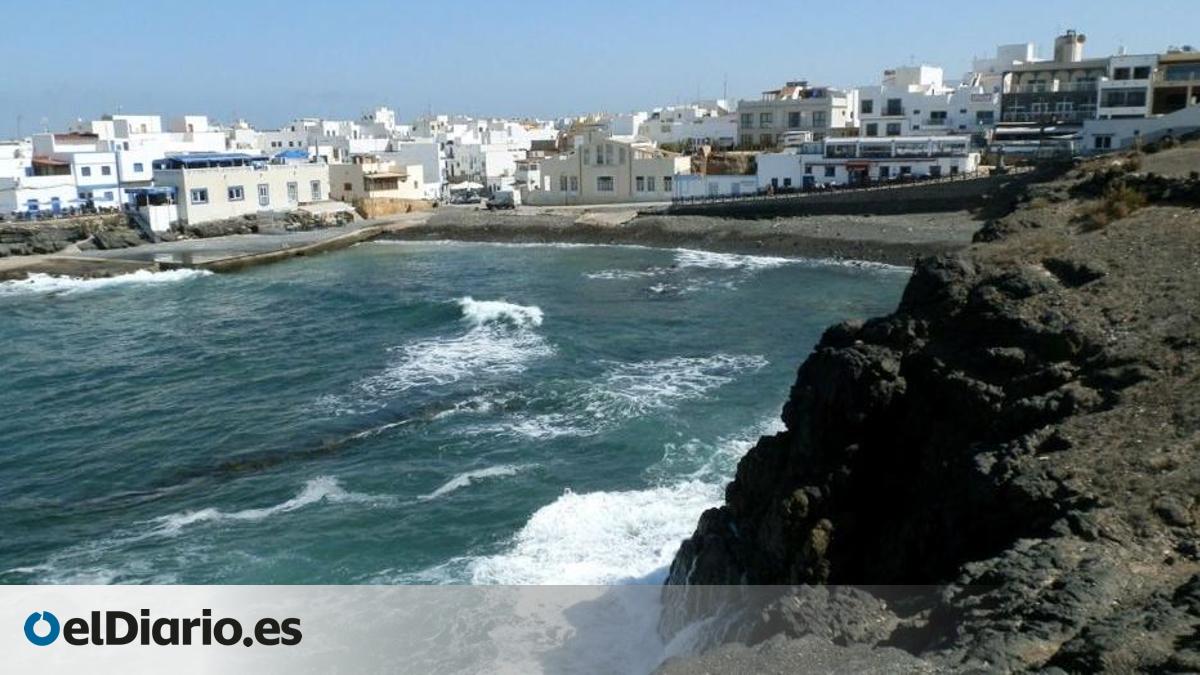
Local entrepreneurs have also taken notice of this trend. In the quaint village of El Cotillo on Fuerteventura, Matteo Leoni is set to launch a new co-working space, COCO, in response to the influx of remote workers from cities like Madrid and Paris. “In the Canaries, there’s so much space that social distancing is a given,” Leoni points out, adding that the warm climate and work-friendly infrastructure make it an appealing option for telecommuters.
Tailored Offers for Digital Nomads
In response to this newfound demand, airlines and hotel chains are rolling out tailored promotions. Iberia is offering discounted flights, while hotel chains such as Melia and Vincci present enticing packages specifically for remote workers. “Work in Heaven” is the theme of Melia’s campaign, tapping into the desire for both productivity and relaxation.
Countries like Greece and Croatia are also getting in on the action, crafting special visas for remote workers in an effort to attract more long-term stay visitors. Meanwhile, Dubai has seen a surge in interest for its “Virtual Working” program, with 3,500 registrations reported this year alone.
Future Considerations Amid the Back-to-Office Debate
While the trend of remote working in these sunny destinations is flourishing, the looming question remains: how sustainable is this shift in lifestyle as businesses consider returning employees to physical offices? The success of vaccination campaigns worldwide adds another layer to this evolving narrative.
Many remote workers, however, are not keen to abandon the freedom they’ve found. Joao Santos, a web developer from Portugal, is adamant about not returning to an office setting anytime soon. “I’m not going to be forced back into an office,” he claims, echoing sentiments shared by countless others who have discovered a harmonious balance between work and leisure in breathtaking locales.
Embracing the New Normal
As remote work continues to change the landscape of global business, Europe’s southern islands are positioned as popular destinations for those looking to escape the mundane. The blend of professional and personal fulfillment represents a new chapter in the relationship between work and travel, crafting a narrative rich in potential and opportunity. Whether this arrangement thrives or wanes will depend on a myriad of factors, but for now, the allure of workers retreating to sunlit shores remains strong.