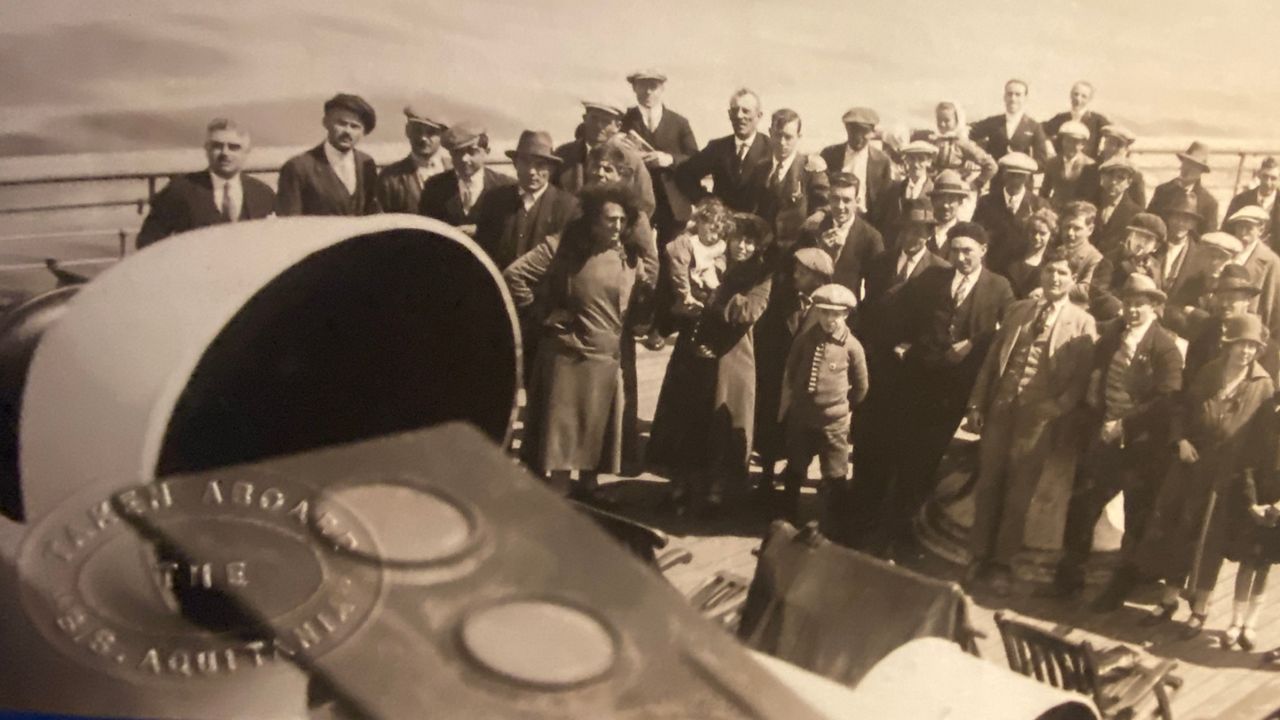
Unveiling the Stories of Spanish Immigrants: The "Invisible Immigrants" Exhibition in Tampa
TAMPA, Fla. — In a world where history often feels distant and abstract, an international exhibition is bringing it to life, one story at a time. The "Invisible Immigrants: Spaniards in the U.S. (1868 – 1945)" exhibition has made its way from Spain to Tampa, marking its first stop in the United States. This unique showcase not only highlights the experiences of Spanish immigrants but also emphasizes Tampa’s significant role in this narrative.
A Journey Through Time
The exhibition, which spent four years in Spain, is curated by a team that includes both Spanish and American historians. Rodney Kite-Powell, a curator and historian at the Tampa Bay History Center, explains that the title "Invisible Immigrants" reflects the perspective of those who left Spain. Many of these individuals never returned, leaving their families to grapple with their absence. This poignant theme sets the stage for a deeper exploration of the immigrant experience, particularly during a tumultuous period in history.
Personal Stories and Collective Memory
At the heart of the exhibition are the personal stories of Spanish immigrants, meticulously gathered through interviews with hundreds of their descendants. The curators aimed to create an immersive experience, akin to stepping into a scrapbook filled with memories, photographs, and artifacts. This approach allows visitors to connect with the past on a personal level, understanding the hopes, dreams, and struggles of those who sought a better life in the United States.
Tampa’s Cigar Industry: A Catalyst for Immigration
Tampa’s rich history as a hub for Spanish immigration is prominently featured in the exhibition. The city’s cigar industry, which flourished at the turn of the 20th century, attracted many immigrants seeking work and a new beginning. Ybor City and West Tampa emerged as vibrant ethnic enclaves, where Spanish culture thrived and shaped the local identity. Kite-Powell notes that many residents may take these neighborhoods for granted, yet they are a testament to the enduring legacy of Spanish immigrants in the region.
The Impact of Fascism in Spain
The exhibition also delves into the political climate in Spain during the early 20th century, particularly as fascism took hold under dictator Francisco Franco. A poignant 90-year-old film captures the spirit of protest in Tampa, showcasing local residents making fishing tackle to support anti-fascist forces during the Spanish Civil War. This historical context adds depth to the immigrant experience, illustrating how global events influenced personal decisions and community dynamics.
A Map of Cultural Heritage
As visitors navigate through the exhibition, they will encounter a striking feature: a floor-to-ceiling map that highlights cultural landmarks in Ybor City and West Tampa. This visual representation serves as a guide to the rich Spanish influence in the Tampa Bay area, inviting attendees to explore the historical significance of these locations. It’s an opportunity to learn more about the contributions of Spanish immigrants and their lasting impact on the community.
An Invitation to Explore
The "Invisible Immigrants: Spaniards in the U.S. (1868 – 1945)" exhibition is currently on display at the Tampa Bay History Center and will remain open until August 3. This engaging showcase not only honors the stories of those who came before us but also invites contemporary audiences to reflect on the complexities of immigration and cultural identity. As Tampa continues to evolve, the exhibition serves as a reminder of the rich tapestry of history that shapes our present and future.