Naturalization of the Saladar de Jandía: A Sustainable Step Forward for Fuerteventura
The Naturalization of the Saladar de Jandía has garnered attention following a generous grant of €249,815 awarded by the Canary Island’s Department of Tourism to the Cabildo of Fuerteventura. This initiative is part of a larger effort by the Sustainable Tourism Territorial Plan of the Canary Islands, which is funded by the Next Generation EU funds aimed at the recovery, transformation, and resilience of Spain’s tourism sector.
Context and Goals
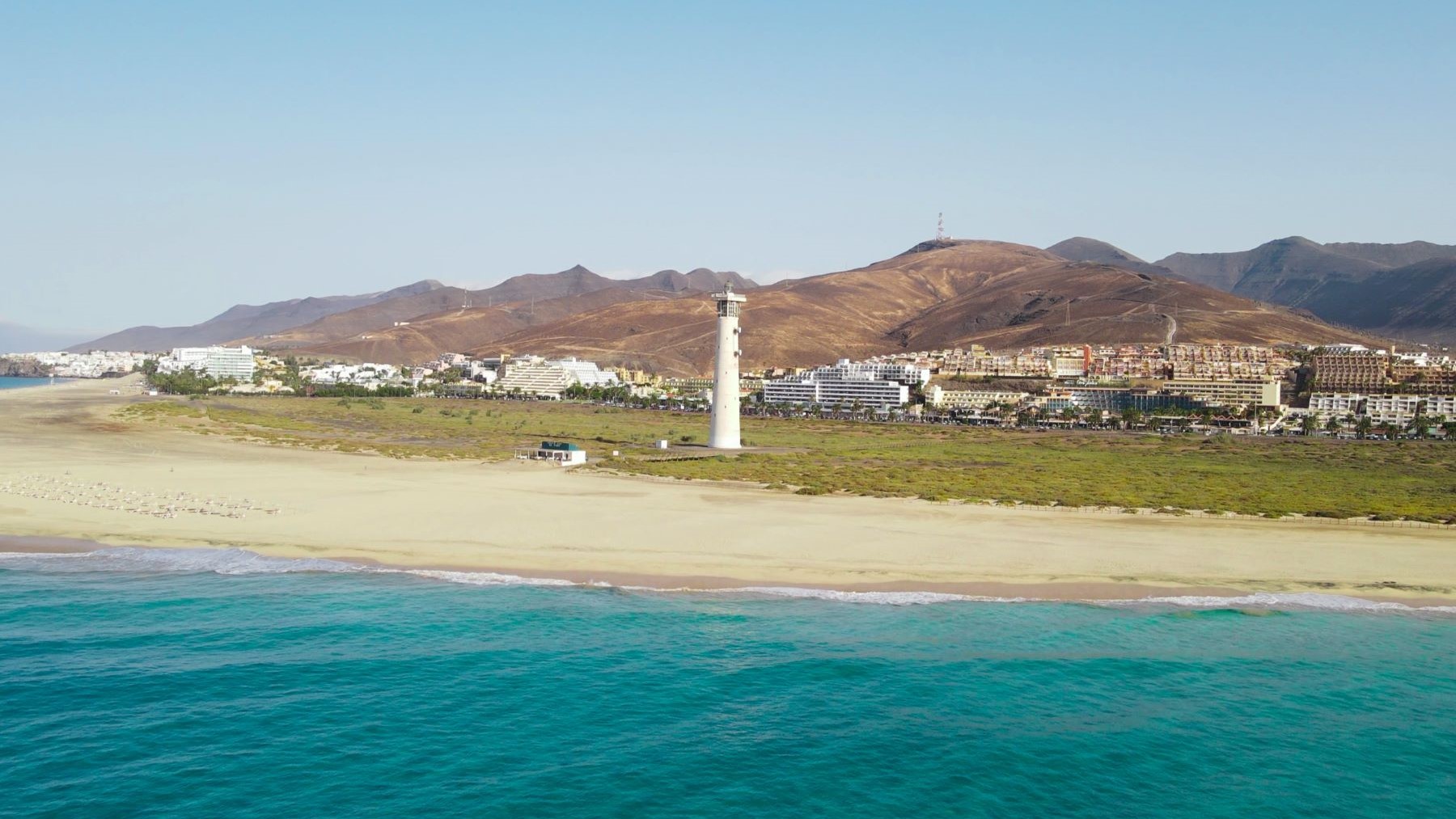
The overarching goal of this project is to redirect tourism towards a more sustainable model. The Saladar de Jandía, located in the municipality of Pájara, is a vital coastal wetland that offers critical ecological services and biodiversity. The efforts to revitalize this area align with the strategy of rebuilding tourism in a way that prioritizes environmental health and ecological integrity.
Restoration Project Focus
This significant undertaking will focus on restoring the Saladar as a protected wetland ecosystem. Key actions involve the removal of outdated infrastructure, particularly the dismantling of an abandoned wastewater treatment plant. Furthermore, the project aims to restore the original geomorphology and elevation of the site, thereby enhancing its ecological value.
The Department of Tourism has emphasized that their agenda goes beyond merely managing hotels and transportation hubs. The objective is to foster a holistic approach that safeguards natural landscapes and ecosystems, signaling a shift in the narrative surrounding tourism management.
Project Phases and Planned Actions
According to advisory figures from the Cabildo de Fuerteventura, the project will unfold through four distinct phases:
-
Removal of Old Infrastructure: This initial phase consists of dismantling the derelict wastewater treatment plant, which currently occupies a site deemed incompatible with conservation efforts.
-
Land Restoration: Following the removal, the next step involves reducing fill heights from +3.40 meters to the original +2.50 meters, with special attention to protecting existing vegetation roots hidden beneath the fill.
-
Environmental Treatment: This phase will focus on rehabilitating over 9,000 square meters. High-quality, sieved soil from construction debris will be utilized to contour the terrain and establish protective slopes.
-
Landscaping Integration: The final phase will incorporate native plant species into the newly created landscape. This will not only enhance the aesthetic qualities of the area but also support biodiversity.
Emphasis on Native Flora
A notable component of this restoration effort is the introduction of native plant species. Plans include the random planting of 104 different examples of indigenous plants such as Chenoleoides tomentosa, Salsola vermiculata, Tetraena fontanesii, and Tamarix canariensis. This approach aims to foster a natural landscape that reflects the unique ecological characteristics of the Paladar, promoting resilience and sustainability.
Institutional Collaboration
The successful execution of the Naturalization of the Saladar de Jandía emphasizes the importance of collaboration among various levels of government. According to Jéssica de León, the Canary Islands’ Minister of Tourism and Employment, protecting emblematic areas is a shared priority that underscores a commitment to the islands’ environmental integrity.
The president of the Cabildo, Lola García, echoed these sentiments, indicating that previous conservation work laid the groundwork for this new initiative. Furthermore, Alejandro Jorge, the mayor of Pájara, highlighted the benefits of joint effort between institutions to maximize available resources for the project.
Timeline and Future Outlook
The restoration efforts at the Saladar de Jandía are ambitious but necessary. The projected timeline for complete rehabilitation is set to conclude by June 30, 2026. This timeline allows for a systematic approach to restoration that respects both the natural environment and the community’s interests.
With these coordinated actions, the natural landscape of the Saladar de Jandía is expected to flourish, providing ecological benefits and fostering a deeper awareness about the importance of conservation among visitors and locals alike. As tourism continues to evolve, the focus on sustainability in initiatives like this sets a promising precedent for future ecological endeavors in the region.
![[gpt_title] Rewrite this article’s title in the tone of *Fuerteventura Times* — calm, intelligent, and curiosity-driven. Keep it under 60 characters. Focus on themes like consciousness, healing, creativity, or neuroscience — avoid hype or clickbait. Make it sound soulful yet journalistic. Examples: “The Science of Stillness,” “Microdosing for Meaning,” “A New Age of Conscious Healing.” [/gpt_title]](https://images.theconversation.com/files/720468/original/file-20260225-57-c95l8y.jpg?ixlib=rb-4.1.0&rect=0%2C561%2C6720%2C3360&q=45&auto=format&w=1356&h=668&fit=crop "[gpt_title] Rewrite this article’s title in the tone of *Fuerteventura Times* — calm, intelligent, and curiosity-driven. Keep it under 60 characters. Focus on themes like consciousness, healing, creativity, or neuroscience — avoid hype or clickbait. Make it sound soulful yet journalistic. Examples: “The Science of Stillness,” “Microdosing for Meaning,” “A New Age of Conscious Healing.” [/gpt_title]")

