Exploring the Hidden Gem of Lobos Island: A Slice of Paradise in the Canary Islands
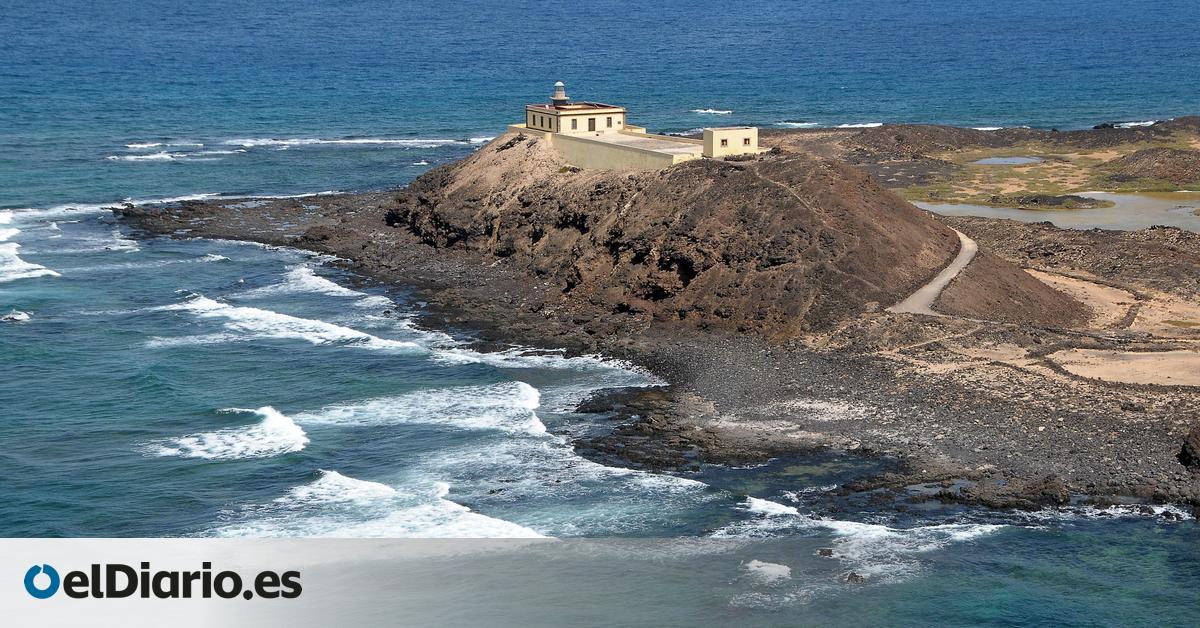
Located just off the northern coast of Fuerteventura, Lobos Island is a breathtaking volcanic isle that offers visitors a serene escape from the bustling tourist spots of the Canaries. While famous islands like Menorca, Ibiza, Tenerife, and Gran Canaria draw in millions of summer tourists, Lobos remains a well-guarded secret, known for its captivating natural beauty and limited access.
A Brief Introduction to Lobos Island
Spanning approximately 5 square kilometers, Lobos Island is a geological wonder. Its proximity to Fuerteventura, separated by a mere two kilometers and the short El Río with a maximum depth of about 15 meters, makes it an easily accessible retreat. However, visitors should be aware that due to its ecological significance and limited capacity, prior authorization is required to explore this pristine paradise.
Origins of the Name and Historical Significance
The name “Lobos,” which translates to “wolves” in Spanish, pays homage to its historical inhabitants—the monk seals, also referred to as sea wolves. These majestic marine mammals once thrived on the island, particularly around La Calera and La Concha beaches. Sadly, they were hunted to extinction in the region due to local fishermen’s concerns over their voracious appetites. Today, however, a statue of a seal greets newcomers, reminding them of Lobos’ rich historical past.
Archaeological Discoveries
Historical excavations have confirmed that Lobos Island was not always the tranquil getaway it is today. Researchers from the University of La Laguna discovered evidence of a seasonal Roman settlement dating back about 2,000 years. This ancient community specialized in collecting purple dye from sea snails, showcasing the island’s long-lost significance in trade. Artifacts such as remains of thousands of snails and fragments of Roman pottery can still be found along La Calera beach.
Limited Access for Conservation
Recognizing the ecological importance of Lobos, Spanish authorities declared it a Natural Park in 1982, making it one of the first protected areas in the Canary Islands. To maintain its pristine environment, access to the island is strictly controlled. Since 2019, only 200 individuals are allowed at a time, spread over two four-hour visiting windows—ensuring that the island’s delicate ecosystems remain undisturbed.
Getting There
Traveling to Lobos Island is straightforward, with multiple options available from Corralejo’s port in Fuerteventura. The journey typically takes around 15 minutes by ferry, watertaxi, or catamaran. Most visitors include tourists, swimmers, fishermen, and divers eager to explore the underwater paradise Lobos has to offer.
A Nature Lover’s Dream
For those looking to immerse themselves in the island’s natural beauty, Lobos boasts numerous hiking trails that weave through its untouched landscapes. A well-marked circular path highlights major points of interest, with the most popular ascent being to La Caldera, the island’s highest point at 127 meters. Stunning panoramic views of Lanzarote and Corralejo’s vast dunes await those who make the climb.
Beaches and Underwater Paradise
Lobos is home to several pristine beaches, with La Concha and La Calera being two of the most exquisite. With white sands and crystal-clear waters, these beaches offer a peaceful escape for sunbathers and swimmers alike. Moreover, the island is a substantial marine reserve, featuring one of the richest underwater ecosystems in the Atlantic. This makes it an ideal hotspot for diving and snorkeling, where visitors can encounter vibrant marine life in a serene setting free from human interference.
Biodiversity of Lobos Island
The land biodiversity of Lobos is equally impressive. Housing over 130 species of plants adapted to its high salinity, the island is particularly known for the endemic Lobos everlasting flower (Limonium ovalifolium canariense), celebrated as a jewel of its flora. Other notable flora includes beach rocket and sweet spurge. Birdwatchers will find themselves captivated by the diverse avian species inhabiting the island, such as the Cory’s shearwater, the lesser black-backed gull, and the ospreys. The area known as Las Lagunitas is a particularly good spot for birdwatching.
Essential Tips for Visitors
Before embarking on your journey to Lobos, it is essential to consider a few practical tips. Options for purchasing food, water, or sunscreen are extremely limited, making it wise to come prepared. Comfortable footwear is another necessity if you plan to hike the rugged trails or ascend the volcano.
Planning ahead turns a trip to Lobos Island from a simple getaway into an unforgettable adventure, allowing you to appreciate its beauty and tranquility in an ecologically responsible way.
Uncover the alluring charm of Lobos Island, a hidden treasure of the Canary Islands. It’s not merely a destination but an expedition through time where every corner tells a story, offering experiences that linger long after the journey ends.