The XIX National Aquaculture Congress: A Landmark Event in Sustainable Shrimp Farming
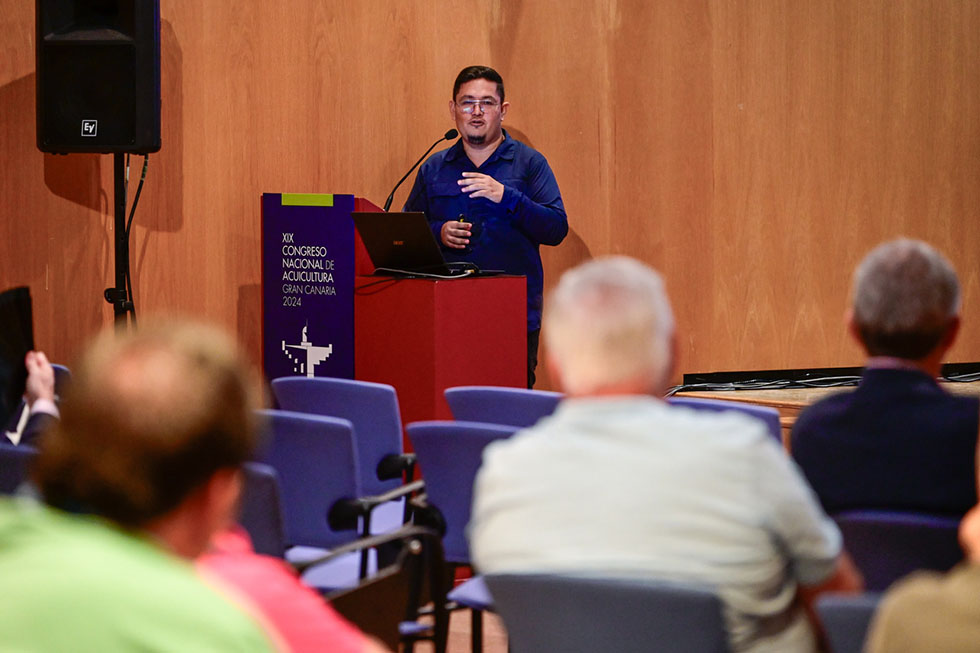
From June 17 to 19, 2024, the rich and vibrant island of Gran Canaria will host the XIX National Congress of Aquaculture (CNA) at the Alfredo Kraus Auditorium in Las Palmas. Organized by the Aquaculture Research Group (GIA) of ECOAQUA Institute, University of Las Palmas de Gran Canaria (ULPGC), and in collaboration with the Spanish Society of Aquaculture, the event promises to be a significant platform for discussions surrounding aquaculture innovations.
Spotlight on Sustainable Shrimp Production
One of the standout projects being unveiled at this year’s congress is the “Sustainable Production of Shrimp in RAS” initiative, led by Ecobiofarms Fuerteventura S.L. This ambitious undertaking involves an initial investment of approximately €2.6 million and aims to revolutionize shrimp farming in both the Canary Islands and Spain at large. The project is particularly focused on cultivating the white shrimp, which is expected to quintuple current annual production, boosting it from a mere 8 tons to an impressive 40 tons.
Economic Impact and Production Timeline
The economic ramifications of this initiative are substantial. With projected sales values ranging from €400,000 to €600,000 in the first year, the venture is set to yield not only significant profit but also job opportunities for the local workforce. Production is expected to commence by the second quarter of 2025, with the first shrimp harvest anticipated just four months after operations begin.
Currently, aquaculture in the Canaries has been predominantly limited to sea bream and sea bass, with exploration into the farming of greater amberjack (seriola). The introduction of this new shrimp farm in Fuerteventura marks a pivotal expansion for the region, paving the way for diverse aquaculture practices and species.
Innovative Facility in Fuerteventura
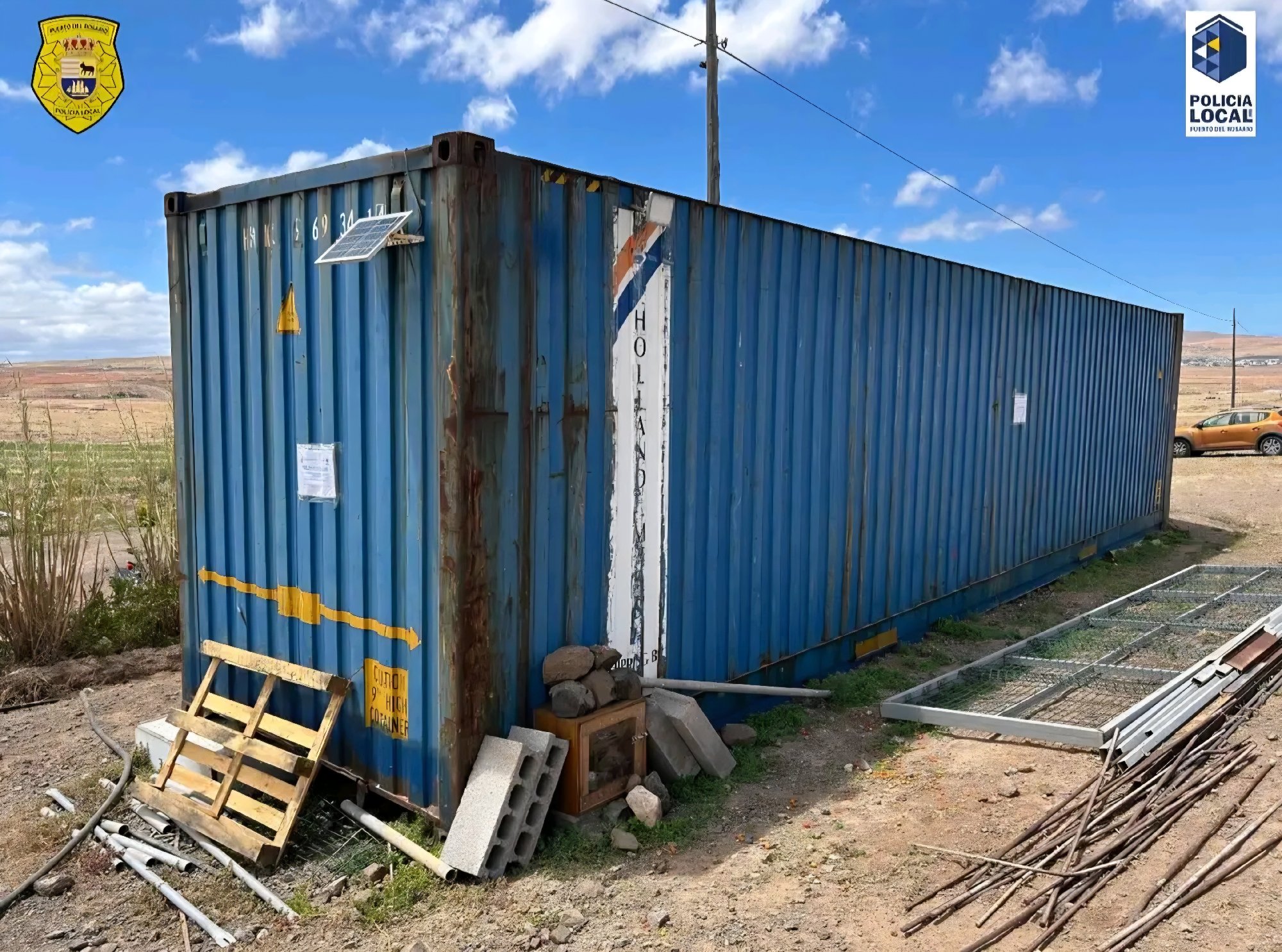
Ecobiofarms’ new shrimp farm will be located in the municipality of Antigua on Fuerteventura, covering a substantial area of 12,750 m². The facility will employ a skilled team of 15 professionals, including biologists, technicians, and aquaculture specialists employing RAS (Recirculating Aquaculture Systems). This technology allows for controlled production environments, optimizing both the maturation and fattening processes indoors.
Under the guidance of Dr. Juan Manuel Afonso López, the project relies on the advanced methodologies developed by the GIA. Dr. Afonso has a long-standing history of enhancing aquaculture practices, including efforts to boost the shrimp industry in Ecuador, which is a global leader in shrimp cultivation.
Genetic Improvement and Quality Assurance
The GIA is contributing significantly to the project through a Genetic Improvement Program using BLUP methodology aimed at enhancing white shrimp production. This initiative, backed by a budget of €2 million, seeks to introduce cutting-edge technology that reduces the growth cycle from three months to two while ensuring product traceability and quality for consumers.
Anthony D. Forde and Marta D. Cisneros, co-founders of Ecobiofarms, bring three decades of experience from the fishing sector to the table. Their past projects in RAS farms across Asia, the Middle East, and Central America have provided them with the insights necessary to make their Fuerteventura venture successful.
Premium Quality Shrimp for the Market
Looking ahead, the goal is to produce between 280 and 300 metric tons of shrimp within five years, generating a projected sales value of between €3.5 and €4 million. The target market includes consumers in both the Canaries and mainland Spain, with claims that the shrimp will be of premium quality, offered in fresh, refrigerated, raw, and cooked forms.
Forde emphasizes the growth potential within the region, estimating future production in the Canaries at approximately 400 metric tons and around 3,000 metric tons for Spain overall. This initiative aims to meet the increasing demand for high-quality shrimp while promoting local sustainability.
Technological Leadership and Environmental Responsibility
Utilizing RAS technology, which combines advanced filtration systems, the shrimp farm is positioned at the forefront of technological innovation. Darío Basopo Escalante, the farm’s biologist and production director, highlights the efficiency of water treatment processes that ensure optimal shrimp growth. This advanced system minimizes water usage while maintaining high-quality standards.
While RAS systems require a higher initial investment compared to traditional farming methods, their reliability in production volume, product quality, and biosecurity make them a wise choice for sustainable aquaculture. Additionally, the project’s zero-waste approach ensures that all byproducts, such as sludge, are repurposed as agricultural compost, contributing to environmental sustainability.
The Role of Collaborative Support
The XIX National Congress of Aquaculture is fortified by support from various esteemed organizations, including the Spanish Ministry of Agriculture, Fishing, and Food, the Government of the Canaries, and the AQUAWIND Project. Collaborations extend to various local and international institutions, illustrating a unified effort to promote innovative aquaculture practices.
In summary, the sustainable shrimp farming project in Fuerteventura represents a critical advancement in aquaculture, combining modern technology, local economic benefits, and environmental stewardship. With its innovative approach, this initiative is not only set to reshape the aquaculture landscape of the Canary Islands but also to serve as a model for sustainable seafood production globally.