Unveiling History: The Inauguration of the New Archaeological Museum of Fuerteventura
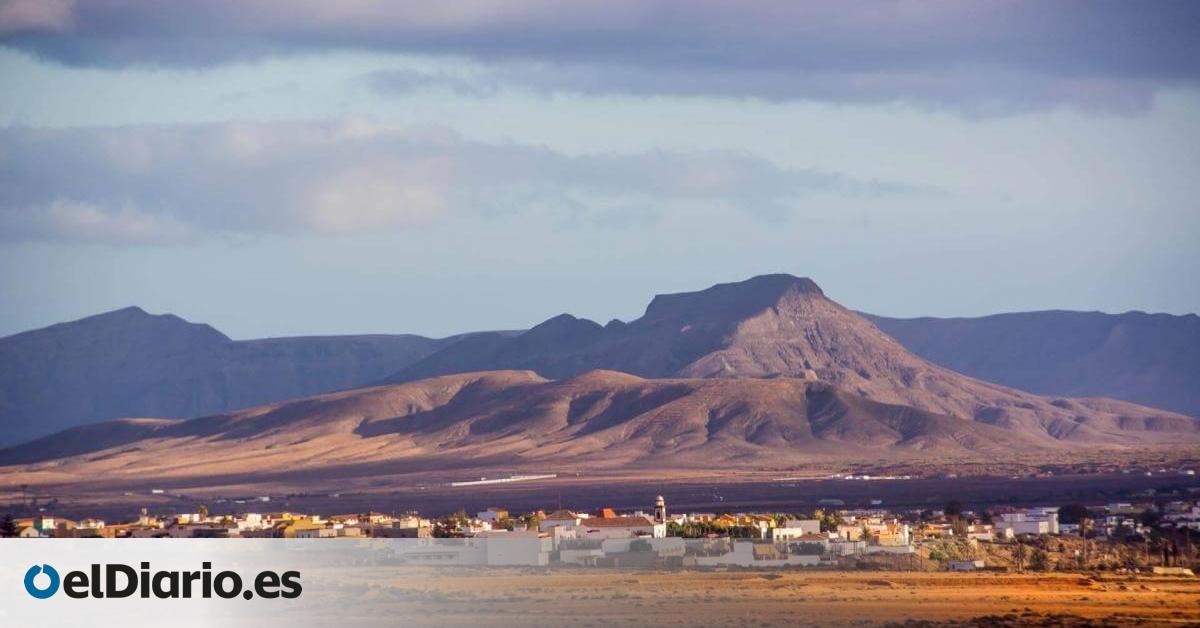
On August 14, 1956, a pivotal letter emerged from Caracas, addressed to the Cabildo of Fuerteventura. The signatories, Alfonso Martín Fajardo and his brothers Luis and Juan, expressed their intention to donate a parcel of land in Betancuria along with 100,000 pesetas for the establishment of a museum and cultural center. This gesture marked the genesis of the Archaeological Museum on the island, which celebrated its inauguration recently.
The Evolution of a Dream
The initial rehabilitation of the property, situated in the historical heart of Betancuria, occurred in the 1960s, laying the groundwork for what would become an important cultural institution. Over the ensuing decades, the building underwent several renovations. It ultimately closed its doors in 2015, temporarily halting its mission while awaiting the construction of a new museum adjacent to the original site.
Blas Acosta, the president of the Cabildo of Fuerteventura, stated that the opening of this new facility fulfills a “historical demand.” He articulated the hope that archaeological remains scattered across various museums in the Canary Islands would finally make their way back home.
A Cultural Celebration
On the day of the museum’s inauguration, residents of Betancuria, both young and old, honored the occasion by reading excerpts from “Le Canarien,” a chronicle of the Norman conquest. A particularly unique greeting, conveyed via WhatsApp, featured congratulations expressed in whistled language, showcasing the island’s rich cultural tapestry.
The New Museum’s Architecture
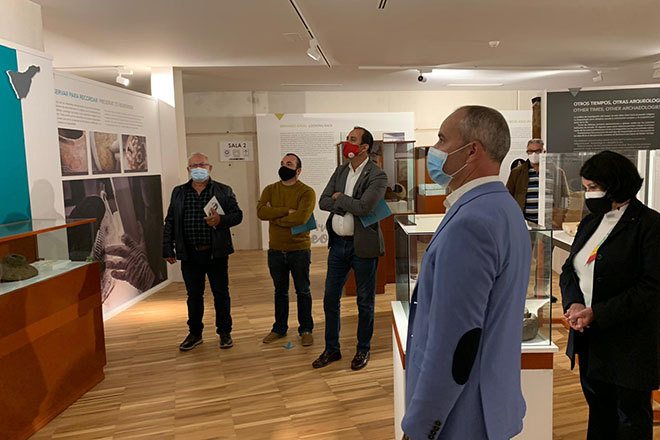
The new museum, constructed beside the Fajardo family’s former residence, spans three levels, covering a total of 2,678.76 square meters. Designed to house four temporary exhibitions, its inaugural showcase, titled “Fuerteventura Archaeology: Where Our History Begins,” delves into the island’s past, starting from the Roman period. Visitors will discover artifacts uncovered from the nearby Lobos Islet, where a Roman-era purple dye workshop was identified in 2012.
Archaeological Wonders
The museum’s first exhibition features an array of archaeological panels and artifacts that illuminate the latest theories regarding Tindaya Mountain—a site of sacred significance for the island’s ancient inhabitants. Among the highlights is a stone inscribed with podomorphs, alongside anthropomorphic idols that connect visitors to the magical and religious world of the former residents. Additionally, remnants of a stone mill and seeds found in the Villaverde Cave suggest that the Mahos, the island’s prehistoric inhabitants, practiced agriculture.
In one of the display cases rests the skeletal remains of an individual unearthed during excavations in the Solana del Cuchillete, which dates back to between the 10th and 13th centuries.
Preserving Local Heritage
The second exhibition, “Challenges/Remains for a Museum,” honors the historical artifacts that previously filled the old museum, under the careful stewardship of Vicente Ruiz Méndez, a local guardian of Betancuria’s treasures for many years. This section also outlines the upcoming challenges the new museum will face, including ongoing investigations at Lobos and the Villaverde Cave, a volcanic tube rich in prehistoric relics discovered in 1979.
Notably, this exhibition displays artifacts temporarily loaned from the Museum of Nature and Man in Tenerife and the Museo Canario in Gran Canaria, including ceramics and jewelry that once belonged to Fuerteventura.
A Glimpse into Religious Heritage
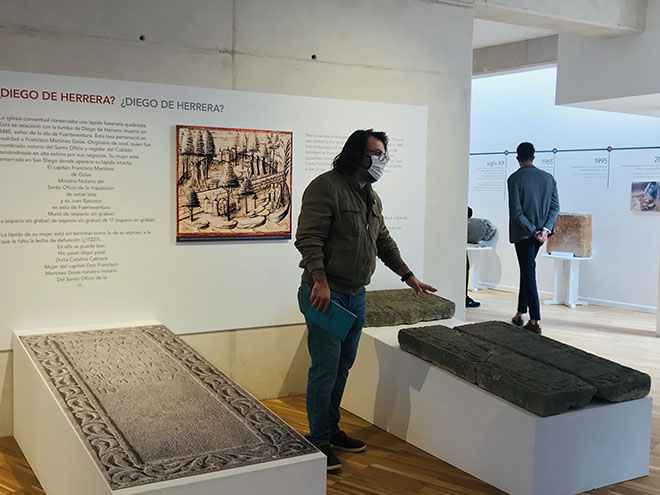
Another captivating section, “Betancuria: A Faith in Stone,” transports visitors back to 15th-century Betancuria through archaeological findings from the island’s first convent. The displays highlight archaeological work conducted by the Tibicena company during excavation campaigns in 2018 and 2020, showcasing religious artifacts and ceramics related to the Franciscan order that founded the convent.
Among the items on display is a chest containing some bones of Fray Juan de Santorcaz, one of the monks who resided in the convent since its founding in 1441, alongside a tombstone of Francisco Martínez de Goias, a judiciary figure linked to the Inquisition.
A Visual Journey
The museum experience concludes with a photographic exhibition capturing Fuerteventura’s archaeological sites, as seen through the lens of photographer Tarek Ode.
“Where the Soul of Fuerteventura Resides”
Officially opening its doors to the public, the museum aims to serve as a sanctuary for Fuerteventura’s rich cultural heritage. María Antonia Perera, the General Director of Cultural Heritage for the Canary Islands, emphasized that this museum will become “a new home where the soul of Fuerteventura resides,” fostering a deeper understanding of the island’s history and promoting future research initiatives.
Andrés Briansó, the insular Historical Heritage advisor, referred to the museum’s inauguration as a milestone not only for Fuerteventura but also as a modern platform for showcasing the legacies of those who inhabited these lands long before us. Meanwhile, Marcelino Cerdeña, the mayor of Betancuria, expressed gratitude for the political and technical efforts that culminated in this significant cultural milestone for the municipality.
The new Archaeological Museum of Fuerteventura is not just a repository of artifacts; it is a vibrant testament to the island’s history, culture, and the collective efforts of its community to honor and preserve its heritage.