Celebrating International Museum Day at the Archaeological Museum of Fuerteventura
Every year on May 18, the world celebrates International Museum Day (DIM), an occasion aimed at raising awareness about the importance of museums in cultural exchange and the enrichment of societies. This year, the Archaeological Museum of Fuerteventura is joining the festivities with an exciting program centered around education and research.
Engaging the Youth: “Archaeologists for a Day”
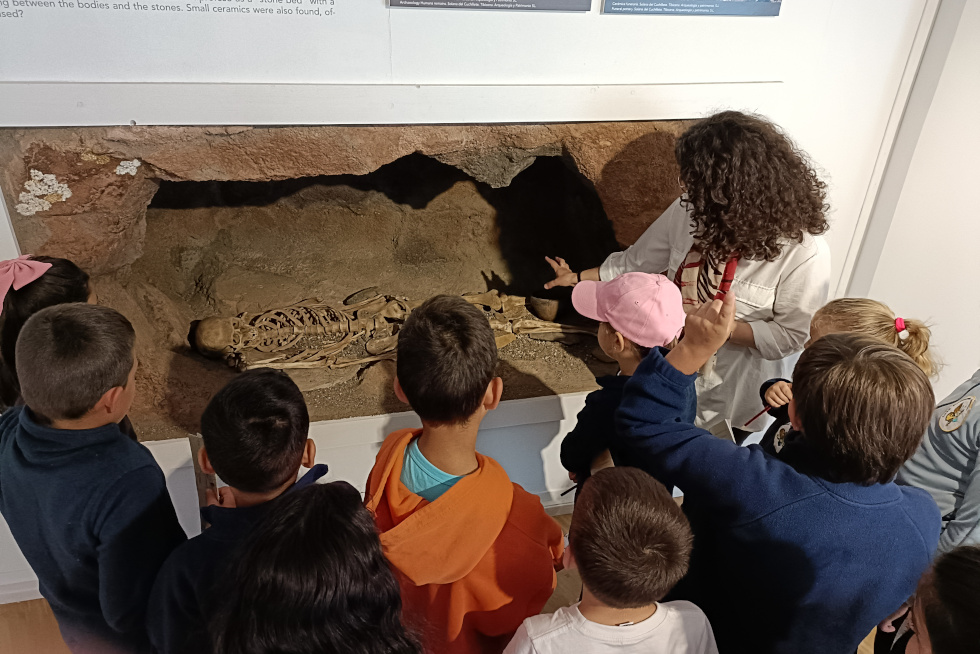
A highlight of this year’s celebrations is the initiative “Archaeologists for a Day: Discovering the Secrets of the Majo People.” This educational program seeks to instill knowledge, respect, and care for Fuerteventura’s indigenous archaeological heritage among local students. By collaborating with schools on the island, the museum aims to promote a deeper understanding and appreciation of the region’s archaeological treasures.
From May 21 to 23, students from the IES San Diego de Alcalá and the CEO of Antigua will participate in hands-on activities designed to immerse them in the world of archaeology. They will engage in a hypothetical excavation at a simulated archaeological site, study material culture through scientific workshops, and identify various artifacts from the Majo civilization. To complement these activities, students will embark on a guided tour of the exhibition “Fuerteventura Archaeological,” specially tailored to their age groups. Each student will receive a didactic workbook, resembling a field journal, where they’ll document their experiences throughout the activities.
Cultural Exploration Through the Erbania Cycle
May 22 will also mark a unique session of the Erbania Cultural Cycle, an event dedicated to providing the general public with unfettered access to the museum’s storerooms. Attendees will observe restoration, conservation, and cataloging efforts firsthand, while learning about archaeological materials not currently on display. Among the highlights will be the indigenous hand mills, which will be showcased by experts Matilde Arnay and Efrain Marrero. Following the presentation, they will unveil their book “Catalogs of Guanche Mills from Las Cañadas del Teide,” further enriching the knowledge shared during the session.
Vitrina Cero: A Glimpse into Local Ceramic Heritage
In addition to the hands-on activities and educational workshops, the museum will showcase a special exhibit in its “Vitrina Cero,” located in the reception area. This year’s featured artifact is a traditional cooking pot from the Valle de Santa Inés, contributed in 1974 by Dolores Cerdeña. The pot, cataloged in the museum’s inventory as number 435, exemplifies the transformation in ceramics following the Norman conquest. Through this exhibit, visitors will learn about the changes in pottery styles and design, as researchers note a decline in the elaborate decorations once characteristic of Majo craftsmanship.
Unprecedented Access to Cultural Heritage
The Archaeological Museum of Fuerteventura, which opened its doors in December 2020, remains a vital cultural hub, welcoming over 65,000 visitors since its inauguration. Offering free admission from Tuesdays to Saturdays, the museum provides an enriching complement to a visit to Betancuria, a town honored as a Historical Complex in 1979 and recognized as one of Spain’s most beautiful villages in 2020.
The Global Significance of International Museum Day
Since its inception in 1977, International Museum Day has become a global event, hosted by the International Council of Museums (ICOM). The observance serves to raise awareness about the role of museums in cultural exchange. In 2022, over 37,000 museums participated in this worldwide celebration across 158 countries and territories, showcasing the broad commitment to cultural preservation and education.
Through these initiatives, the Archaeological Museum of Fuerteventura not only honors the past but also fosters a vibrant connection between cultural heritage and the local community, making it a beacon for educational engagement and archaeological appreciation.