The Impact of Moroccan Tourism on Spanish Competitiveness
The Migration of Capacity
The landscape of international tourism is shifting, and Ryanair’s admission that much of its capacity has moved “outside of Spain to more efficient airports… particularly in Italy, Morocco, Croatia, Sweden, and Hungary” underscores this transition. By 2026, the airline anticipates a growth of 13.1% in Morocco, contrasted with a mere 0.6% in Spain. With four operational bases in Morocco—most recently in Tangier—and a fifth planned for Rabat, boasting 20 routes, it’s evident that this trend isn’t just a fleeting reaction but a structural change.
Pricing – A Competitive Edge
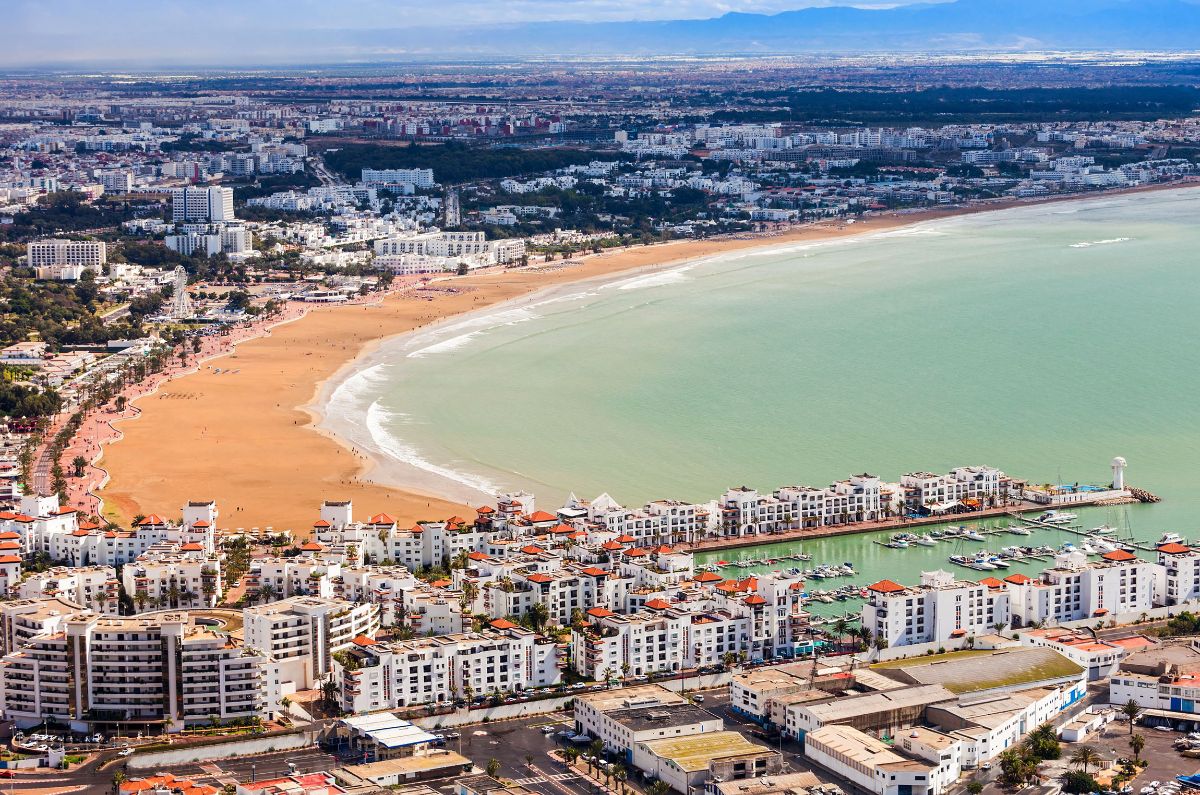
The competitive advantage of Moroccan tourism is deeply rooted in its structural costs. Lower labor expenses, a depreciated currency, inexpensive energy, and direct subsidies for connectivity make it increasingly appealing for tourists. To illustrate, while the average daily expenditure for a tourist in the Canary Islands hovers around €178.16, comparable packages in Agadir or Marrakech range between €70-90 per day, inclusive of four-star accommodations. This price differential of 30-40% for similar offerings highlights the growing allure of Morocco as a budget-friendly alternative.
In addition, the internal tax wars complicate the situation. As Arona deliberates on tourism taxes and the re-emergence of the eco-tax debate, Morocco counters with tax exemptions for investors and financial subsidies for airline routes. A report by Exceltur noted that new taxes in the Canary Islands have not effectively managed tourist influx and could threaten business outcomes.
Spanish Investment Fuels Moroccan Competitiveness
An intriguing paradox exists where significant Spanish investment is propelling the Moroccan hospitality sector. Companies like Barceló plan to unveil the Royal Hideaway Palacio San Juan in Casablanca in 2026, as part of a broader strategy to expand by 25 to 30 hotels annually with a hefty investment of €500 million. Meanwhile, Iberostar and Riu have established properties in Morocco, and Eurostars has confirmed two new establishments for 2026. With further plans for 161 openings from global giants like Accor, Hilton, IHG, Marriott, and Radisson, it’s evident that Spanish capital is nurturing a direct competitor to the Canary Islands.
Fuerteventura: Ground Zero for Competition
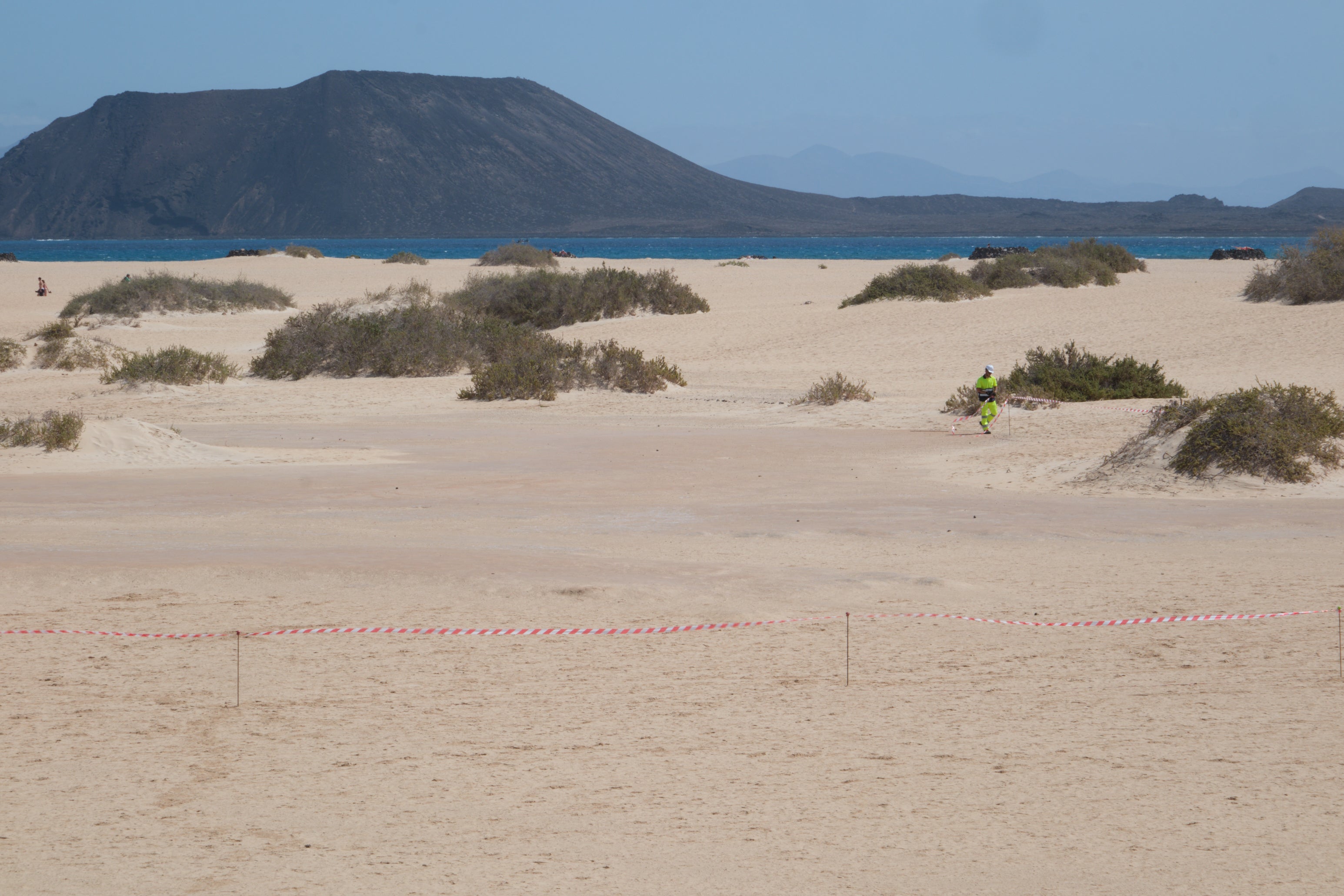
Fuerteventura stands as the most susceptible island to Moroccan competition, owing to its geographical proximity, similar sun-and-sand product offerings, and reliance on a similar profile of British tourists. Tourism contributes a staggering 36.8% to the Canary Islands’ GDP and accounts for 39.4% of its employment, with Fuerteventura revealing even higher dependency.
Currently, Fuerteventura’s tourism statistics are impressive—with projections of 2.5 million visitors in 2024 (+10.6%) and an anticipated growth of 8.68% in 2025. Its hotel occupancy rates have exceeded 90% year-round, peaking at 96% during the summer months. Yet, the growth of regular air capacity for 2026 is projected at only 4.7%, increasingly reliant on markets like Germany, the UK, and the Nordics—areas where Morocco is focusing its marketing efforts. The surf culture adds another layer to the competition; Taghazout and Imsouane offer world-class waves and accommodations at shockingly low rates of €8-15 per night.
Industry Voices: A Shift in Perspective
For years, industry leaders in the Canary Islands largely refrained from discussing Moroccan competition, but that silence has faded. The Canary Islands’ Minister of Tourism, Jéssica de León, acknowledged in Parliament the noticeable increase in Moroccan investment in the tourism sector and recognized that Morocco is “positioning itself at prices with which the Canaries simply cannot compete.” In a forum held by Canarias7 in November 2025, she cautioned that “competitors like Morocco are swiftly advancing in pricing and tourist seasons—especially as they prepare for the 2030 FIFA World Cup.”
Jorge Marichal, president of ASHOTEL and CEHAT, contends that stigmatizing tourism in the Canary Islands is “a mistake.” He remains firm that tourism is responsible for 35.5% of the GDP and 40% of direct employment. His underlying message is clear: any negative messaging about tourism emanating from the archipelago only arms competing destinations.
The 2030 World Cup: A Boon for Morocco
The 2030 FIFA World Cup is poised to become Morocco’s most significant tourism promotional platform to date. With six venues—Casablanca, Marrakech, Agadir, Tangier, Fez, and Rabat—and a total investment exceeding €100 billion, Morocco is not merely hosting an event; it’s launching a global brand. While the Canary Islands have the Las Palmas de Gran Canaria as one of 11 venues, the asymmetry in focus is stark. Morocco’s concentrated effort across six strategically located cities contrasts with Spain’s dispersed attention, leading to concerns that Fuerteventura, without a World Cup venue, may end up overshadowed during this global spotlight.
The New Reality: Acknowledging Competition
Despite the solid advantages that the Canary Islands hold—such as full European Union membership, legal security, developed healthcare infrastructure, professional sector standards, and established connectivity—the staggering price differential exceeding 30% raises questions about sustainability.
The Moroccan threat has transitioned from a mere speculation to an undeniable reality, illustrated vividly by ISTAC’s data, Ryanair’s route announcements, Barceló’s hotel plans, ongoing airport expansions in Morocco, and the candid acknowledgment from local authorities. For Fuerteventura, the most strategically positioned yet vulnerable island in the archipelago, the critical query is not if Morocco will emerge as a competitor, but rather how long the current tourism model can withstand the pressures before necessitating a substantial evolution. The era of relying on the mid-Atlantic benefits while underestimating southern neighbors has come to an end. As Morocco aims for a staggering target of 19.8 million tourists at a 14% annual growth rate, it poses a formidable challenge that echoes across the waters of the Atlantic.