Revitalizing Betancuria: Community Calls for Action on Parc Rural Governance
In the heart of Fuerteventura lies Betancuria, the historical capital of the Canary Islands, which today faces pressing challenges as locals advocate for the effective activation of its protected status under the Rural Park of Management and Use, first approved in 2009. Juani Ruiz, a resident from Vega de Río Palmas, echoes the frustrations of her community, pointing out that a decade has passed without any movement from local institutions—the Ayuntamiento, Cabildo, or the Government of the Canary Islands—to appoint a Management Board or open an information office essential for its functionality.
The Need for Governance Activation
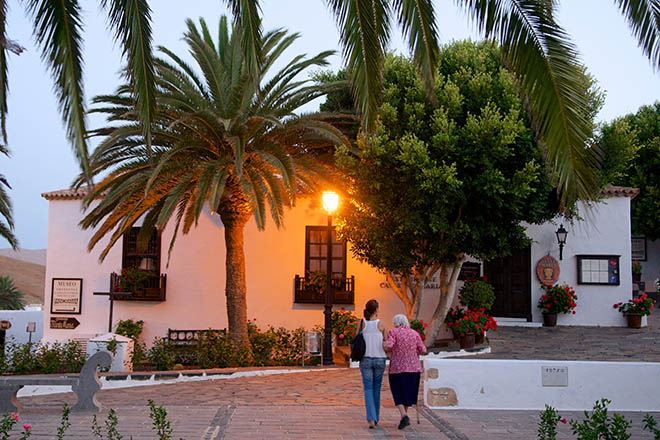
Ruiz emphasizes the urgency of implementing the Management Plan, suggesting that offices could strategically be located in the underutilized Morro Velosa viewpoint building. She notes that other vacant properties in the town, such as the Casa del Zapatero adjacent to the health center, could be transformed into cultural spaces, creating an environment that fosters community engagement and historical education. The newly-constructed Archaeological Museum, which has faced delays and sparked debate for its incongruity with the town’s historical aesthetic, is another focal point of community concern.
Historical Significance of the Park
Designated as a Natural Park of Betancuria in 1987 and later reclassified as a Rural Park in 1994, the area encompasses significant ecological and archaeological features, including the Ajuy Natural Monument. Importantly, it is also recognized as a Special Protection Area for Birds (ZEPA) within the Natura 2000 network, laid out by the European Directive 79/409/EEC on the Conservation of Wild Birds. The official endorsement of the Management Plan came in 2009, yet local interests feel forgotten amidst these protections as they seek action rather than mere acknowledgment.
- Informational Gaps for Visitors: Ruiz raises a critical point; despite being a historical site attracting daily tourists, Betancuria lacks multilingual informational resources such as audio guides to educate visitors. The absence of investment in this historical town not only undermines its cultural richness but also represents an oversight in tourism strategy that could benefit both the community and its visitors.
Community Initiatives and Economic Viability
Local residents are not just vocal about their frustrations; they also propose initiatives to foster economic growth. Ideas like establishing an artisanal market in the Vega or Santa Inés Valley aim to facilitate local producers in selling fresh fruits, vegetables, cheeses, and bread directly to the public. Ruiz highlights the potential for revitalizing hiking trails with comprehensive guides to engage visitors in the natural beauty surrounding the sanctuary.
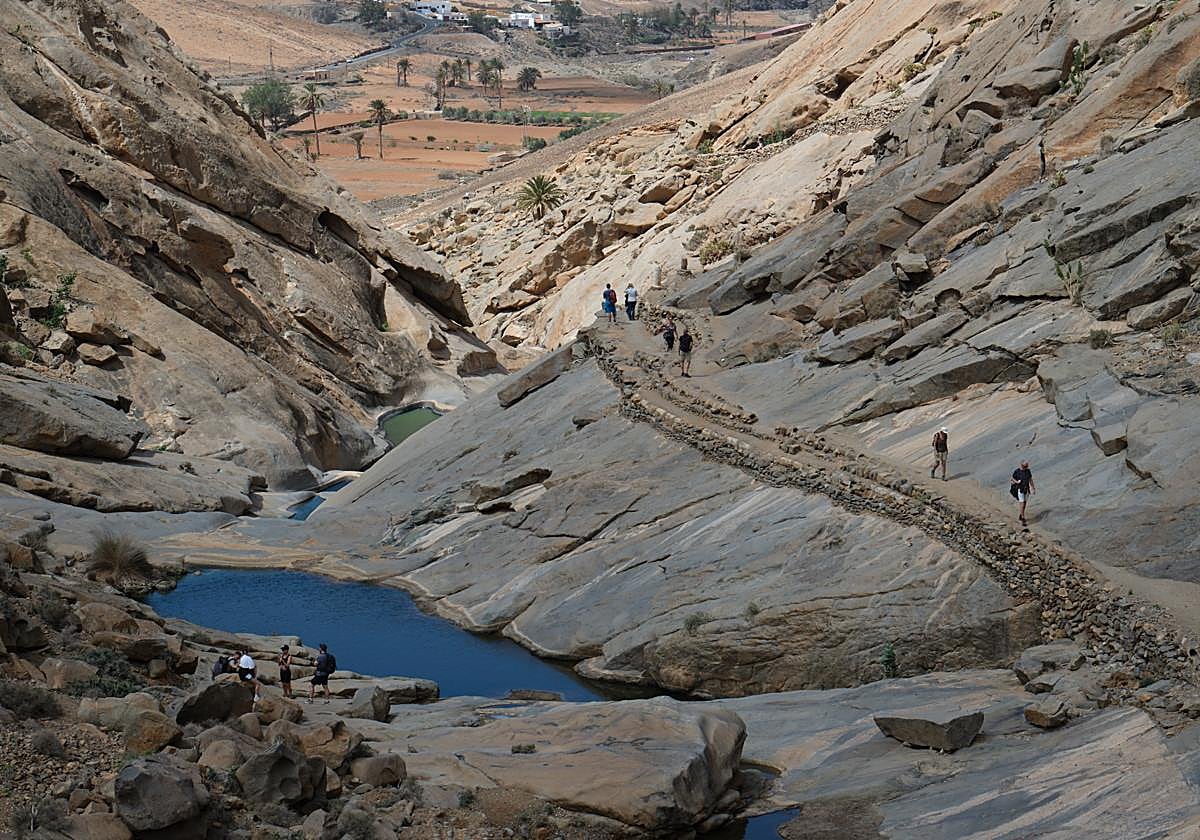
The abandoned Las Peñitas dam, according to locals, has lost its functionality, resulting in overgrown debris that prevents water retention crucial for local agriculture. Ruiz firmly believes that with proper investment and local commitment, agricultural and livestock farming—which were once the backbone of Betancuria—can be reignited to flourish in today’s climate.
Demographic Challenges
Betancuria, reminiscent of “vacant Spain,” shows a stark demographic profile with just 826 inhabitants, of whom approximately 500 are residents by rights. An aging population, primarily consisting of retirees over 60, hinders generational knowledge transfer and community vibrancy. Unfortunately, many young individuals have migrated elsewhere in search of educational and job opportunities, leaving behind a skewed age structure.
A few young residents like Margot Robayna defy this trend by establishing a goat farm and cheese factory, showing that with determination and innovative thinking, locals can still make a viable living from traditional practices. However, others lament that too many farmers rely on subsidies rather than developing sustainable agricultural practices.
The Fight for Resources and Infrastructure
The need for a “Land Bank,” suggested by Ruiz and fellow resident Ricardo Silvera Mejía, aims to register available fertile lands in the area, promoting transparency in land transactions while facilitating local agricultural endeavors. These red-roots soil plots, nourished by precious water sources, need to be rediscovered for farming instead of falling into neglect, which leads to soil degradation.
Silvera stresses that effective land and water management coupled with traditional agricultural practices could rejuvenate Betancuria’s agrarian legacy. He speaks on the necessity of respecting the traditional laws surrounding grazing and land use to combat desertification while balancing environmental stewardship with agricultural productivity.
Cultural Heritage at Risk
The deterioration of local traditions is also a pressing concern. The once-thriving artisan shop has fallen into disrepair, and cultural activities like folklore dances, theatrical performances, and local festivals have dwindled. Nowadays, the only major festivity celebrated is that of the island’s patron, the Virgin of Peña, highlighting a need to revive local customs and community spirit.
In a town rich with history and natural beauty, the residents of Betancuria urge for meaningful action and collaboration among local authorities, businesses, and the community to ensure a sustainable and vibrant future. Through grassroots initiatives and reactivation of protective measures, they envision a renewed Betancuria, bustling with activity and steeped in its rich heritage.