The Festivities in Honor of Nuestra Señora de La Peña 2025
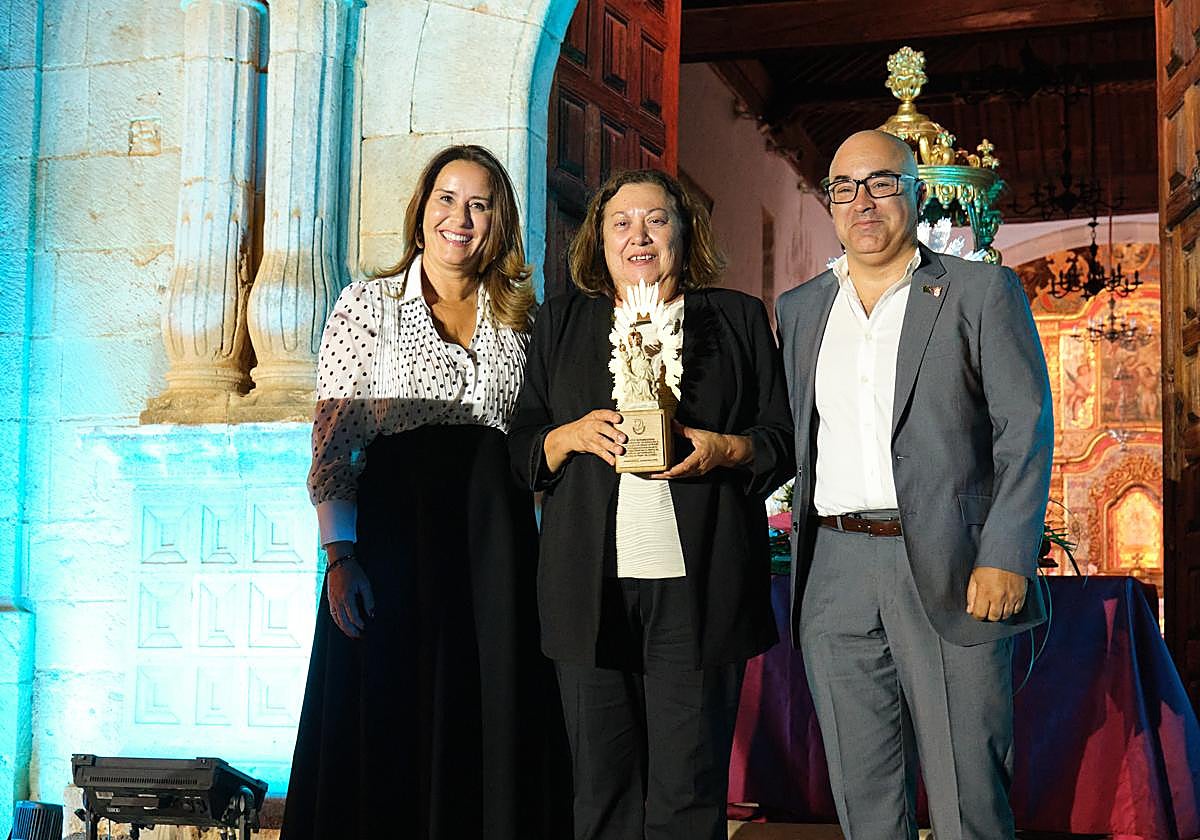
The much-anticipated festivities celebrating Nuestra Señora de La Peña kicked off on Thursday, September 18, 2025, marking a time of communal celebration and reflection in Fuerteventura. The inaugural event featured a poignant proclamation delivered by Inma de Armas, a revered historian from Majorera, known for her considerable contributions to the cultural and historical landscape of the island.
A Journey Through Majorera History
In her opening speech, de Armas captivated the audience with a journey through the rich tapestry of Majorera history, with water serving as the central theme. She elaborated on how this precious resource has been vital to the lives of the Majorera people for centuries. From the indigenous inhabitants to modern advancements in desalination since the establishment of the first water purification facility in 1970, the evolution of water use has been a cornerstone of local development and survival.
Ancient Techniques and Cultural Influences
Delving deeper into historical practices, de Armas highlighted the ingenious systems of water harnessing, such as the “gavias,” which echo the traditional methods of the Berber peoples. This connection has inspired various hypotheses about the lifestyle and customs of the indigenous populations. Between 1406 and 1418, the coexistence of Normans with the locals and later Berber settlers created what de Armas described as “a melting pot of languages and cultures.” This period gave rise to unique place names derived from Berber words, such as Fayagua, Amanay, and Tababaire, which still designate various sites and springs around the island.
The Impact of the Castilian Arrival
With the arrival of the Castilians, a shift in the economic base occurred as grain exports became prominent. As Fuerteventura’s landscape evolved, features like gavias, vegas, and water wells equipped with norias began to dot the terrain. De Armas also brought attention to the aljibes—ancient cisterns designed to withstand extended dry spells. She mentioned notable examples, such as the aljibes in Chó Julia, Villaverde, and the recently restored structures in La Oliva, which stand as testaments to the island’s enduring ingenuity in water conservation.
Innovations and Tradition
In her reflection, de Armas also touched on domestic practices, such as the use of distillers for purifying water. She reported how prolonged droughts shaped the community’s approach to water management and introduced the curious role of the ‘varistas,’ individuals skilled in locating water sources using vibrating rods. This long-standing tradition demonstrates a deep-rooted awareness of the necessity of conserving water—an understanding she emphasized as integral to the identity of the Majorera people.
A Celebration of Unity and Pride
Concluding her remarks, de Armas expressed a heartfelt desire for the community to continue cherishing its water culture, asserting, “We have centuries of awareness and experience to ensure not a single drop is wasted, as water is intrinsically linked to our lives.” Her closing statement praised the Vega de Río Palmas for its role as a unifying hub for the festivities that bind the entire island together.
Authority Presence and Community Spirit
The opening celebration was further graced by notable authorities, including Lola García, the president of the Cabildo, who stressed the significance of these festivities as a special occasion for all residents of Fuerteventura. “These days are a time when we share our journey, tradition, and devotion, reinforcing our pride in being part of this island,” she remarked.
García also recognized de Armas for her impactful research and publications, which have enriched contemporary understanding while planting the seeds for a future that honors the island’s heritage.
Echoing her sentiments, Enrique Cerdeña, the mayor of Betancuria, highlighted the emotional and joyful atmosphere in La Vega de Río Palmas as it welcomed pilgrims from across the island. This annual pilgrimage culminates at the sanctuary of the Virgin de La Peña, serving as a poignant reminder of the island’s vibrant traditions and communal bonds.
An Inclusive Celebration
The event was attended by a diverse assembly of guests, including the island’s cultural advisor Rayco León, council members from both governing and opposition parties, local mayors, and a variety of representatives from the parliament, alongside military, civil, and ecclesiastical authorities. The unity exhibited at this celebration is a testament to the islanders’ shared values, history, and dedication to preserving their cherished customs while nurturing a vibrant collective identity.
As the festivities unfold, they will continue to weave together the rich historical narrative of Fuerteventura, strengthening the ties that bind its community.