The Passionate Craftsmanship of Architect Francisco Cabrera
In the serene town of Pájara, nestled in the breathtaking landscapes of Fuerteventura, lies the studio of architect Francisco Cabrera. Known for his deep love of architecture and traditional design, Cabrera has made significant contributions to the preservation and promotion of Majorero architectural heritage. Recently, he welcomed representatives from Diario de Fuerteventura, shedding light on his dedication to the field and his remarkable projects.
A Showcase of Architectural Heritage
The studio itself isn’t just a workspace; it’s a living testament to Cabrera’s passion for architecture. Recognized as one of the top 30 projects in the Canary Islands, the building’s interior is a vibrant showcase of architectural elements that reflect the rich history and culture of the region. Visitors to his studio can admire an array of artifacts and designs that tell stories of the past, highlighting Cabrera’s commitment to educating others about the local architectural heritage.
Microdocumentaries: Bringing Tradition to Life
One of Cabrera’s innovative projects includes a series of microdocumentaries titled “Geometría tradicional.” These short films are set to be screened in secondary education centers across the island, aiming to inspire and educate younger generations about traditional architecture. Through these engaging narratives, Cabrera seeks to instill a sense of pride in local architectural styles and craftsmanship, reminding the community of its rich cultural roots.
The Restoration of San Buenaventura Convent
Among Cabrera’s noteworthy projects is his historical research into the aesthetic reconstruction of the Convent of San Buenaventura, located at the entrance of Betancuria. Commissioned by the Diocese of the Canaries, this ambitious project seeks to unveil the architectural splendor of a building founded in 1416, which was the first Franciscan convent established in the Canaries. At its peak in the 17th century, the convent was a center of spiritual life and architectural innovation.
The Art of Architectural Research
Cabrera’s meticulous approach to research and documentation is a cornerstone of his work. He emphasizes the importance of historical accuracy in recreating the convent’s design. His investigations draw upon architectural styles unique to the Franciscan order in the Canary Islands and utilize an intriguing blend of historical resources. A notable element of his research included referencing an old photograph of the convent’s south façade, which captured the shadow of the bell tower. This image became essential in determining the architectural form and character of the structure.
Crafting a Model of History
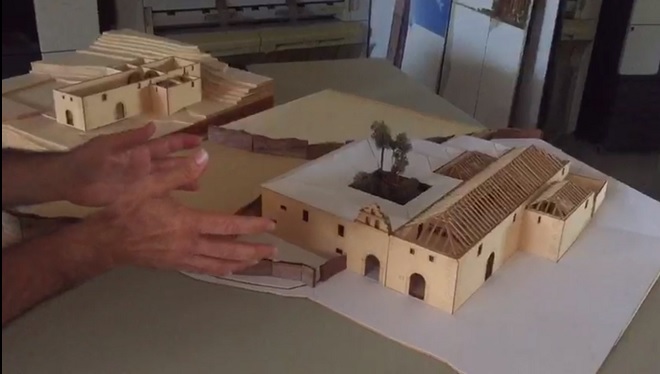
The culmination of Cabrera’s research is a detailed model that encapsulates his findings. This miniature representation not only serves as a visual aid but also as an educational tool, allowing viewers to grasp the historical significance and aesthetic qualities of the convent. Cabrera’s dedication to accuracy and detail ensures that the model is a valuable resource for both academic purposes and public engagement.
Through projects like these, Francisco Cabrera exemplifies the role of contemporary architects in safeguarding and celebrating their cultural heritage. His work is a reminder that architecture is not merely about constructing buildings; it is about weaving together stories, histories, and identities, creating spaces that resonate with the past while inspiring future generations.