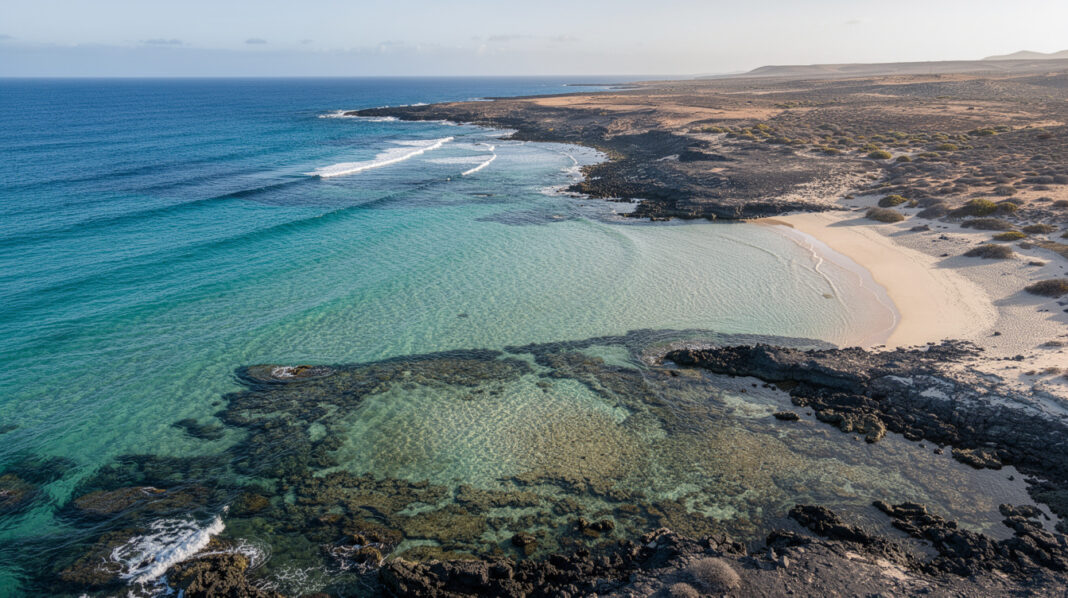
Fuerteventura’s Green Revolution: Renewable Energy Soars to New Heights
Harnessing the island’s natural resources is reshaping Fuerteventura’s economic landscape.
Fuerteventura, renowned for its stunning beaches and sun-kissed landscapes, is undergoing a transformative shift as it embraces renewable energy sources. Recent initiatives are making significant strides in reducing dependency on fossil fuels and enhancing the island’s energy independence. The local government is keenly investing in solar and wind energy projects, positioning Fuerteventura as a beacon of sustainability in the Canary Islands.
This green transition doesn’t just promise environmental benefits; it also presents a wealth of business opportunities. By stimulating the local economy through the installation of renewable energy systems, Fuerteventura is attracting innovative startups and established companies alike. The focus on clean energy solutions is invigorating the job market and fostering a new wave of talent dedicated to sustainability, further electrifying the island’s entrepreneurial spirit.
Moreover, as global energy trends pivot towards sustainability, Fuerteventura is poised to become an attractive destination for eco-conscious investors. The island’s commitment to renewable energy not only enhances its appeal; it also aligns with global demands for sustainable tourism. As businesses adapt to this evolving landscape, the potential for growth is immense, promising a vibrant economic future for Fuerteventura.
Source: Gobierno de Canarias
New Generations (NNGG) of Fuerteventura has expressed its rejection of the design of the Summer Youth 2026 program promoted by the Government of Spain, considering that it once again places young Canarian people in a disadvantageous position compared to residents of the Peninsula. The youth organization of the Popular Party maintains that, although the program includes important discounts for train and bus travel through peninsular territory, it does not incorporate specific measures that compensate for the additional cost that young people from the Archipelago must assume to access these benefits through a prior trip by plane or boat. The insular coordinator of NNGG Fuerteventura, Íker Zalbidea, stated that this situation represents discrimination for Canarian youth and demanded that state policies take into account the particularities derived from insularity. As he explained, while a young resident anywhere on the Peninsula can directly benefit from the discounts, young people from Fuerteventura must first face the cost of traveling to the mainland to be able to access the program. “If the objective is to promote youth mobility, it is incomprehensible that those who live in remote territories are left in a disadvantaged situation,” said Zalbidea, who defended that the organization does not request preferential treatment, but rather equal opportunities. From NNGG Fuerteventura they consider that the Ministry should incorporate a specific line of aid or compensatory mechanisms that cover travel between the Canary Islands and the Peninsula, allowing young people from the Archipelago to access the program under similar conditions to the rest of the country. The organization concludes by demanding an adaptation of the Verano Joven program to the reality of extra-peninsular territories to guarantee effective participation of Canarian youth in this state initiative.
Originally reported by www.lavozdefuerteventura.com, rewritten by the Fuerteventura Times AI Editorial Desk.