The Historical Treasure of Canary Islands Cinema: La Fox en Canarias 1925
The Filmoteca Canaria has recently unveiled a remarkable piece of history: the oldest film recordings yet discovered that showcase Lanzarote, Fuerteventura, and La Palma. This captivating collection features previously unrecorded areas of Tenerife and Gran Canaria, although these two islands had been fortunate to have earlier film footage. Under the title La Fox en Canarias 1925, select audiences had the opportunity to view this visually stunning documentary in various locations across the islands, including the Jameos del Agua auditorium and the Teatro Víctor Fernández Gopar ‘El Salinero’ in Lanzarote, as well as the Casa de los Coroneles and the Auditorio de Puerto del Rosario in Fuerteventura.
Discovering the Lost Footage
In March of this year, the excitement was palpable as audiences engaged with a film that is not just a historical artifact but a significant addition to the cultural heritage of the Canaries. The story behind the film is one of determination and serendipity. It was known that the Fox Film Corporation—founded by William Fox—had produced a documentary titled Canary Islands, which debuted in 1926 in American cinemas. A film crew led by Benjamin Miggins journeyed to various Mediterranean countries and the Canary Islands during a return sea voyage, capturing mesmerizing footage.
While the sought-after Canary Islands material remains elusive, Agustín Miranda Armas and a dedicated team of researchers combed through digital archives. Their persistence paid off when they stumbled upon disorganized footage at the University of South Carolina. Despite the chaos, every frame represented a cherished point in history for the Canary Islands.
Insights into 1925 Life in the Canaries
The footage taken in 1925 reveals not only the people and landscapes of the era but also significant socio-economic contrasts. With Lanzarote’s population hovering around 22,000 and Fuerteventura under 12,000, these islands were characterized by high mortality and birth rates. In stark contrast to the affluence experienced in major Canary cities during the “Roaring Twenties,” Lanzarote and Fuerteventura experienced systemic poverty and archaic social structures.
This archival footage serves as a time capsule, illustrating a way of life that did not differ much from centuries past. Agricultural practices, water dependency, and transportation methods depicted in the film resonate hauntingly with an earlier epoch, portraying life as it unfolded while the rest of Europe was rapidly modernizing.
The Quest for Authenticity
The process of cataloging these archival gems was intricate and demanding. Agustín Miranda and fellow collectors of historical photography, part of a Facebook group boasting over 85,000 members, spent countless hours sifting through images in search of significant historical data. Their journey led them to the University of South Carolina’s website, which initially bore little fruit—just images of a parade in Madrid and a canary in a cage. However, their perseverance eventually uncovered scenes filmed in the Canary Islands, igniting excitement among the team.
The upcoming screenings presented by the Filmoteca Canaria promise a meticulously reconstructed narrative drawn from the disarray of 11 rolls of film. Through diligence and collective effort, locations and landmarks across the islands have been identified, contributing to a more coherent understanding of the footage.
A Window into the Past
Captured within the 30 minutes of film is an array of striking visuals representing varied realities—ranging from the bustling ports of Las Palmas de Gran Canaria to secluded rural life scenes full of traditional folklore. A significant theme that emerges is the critical role of the Canary Islands’ ports as economic hubs. The harbors, especially in Santa Cruz de Tenerife and Las Palmas, are depicted in their vibrant state of ship traffic, serving as vital links between continents and facilitating the flow of ideas and technology.
Miggins and his team keenly observed the rural populace as well, documenting scenes of farmers tilling their fields, women transporting products, and locals engaged in daily tasks. This footage provides insight into agricultural practices, traditional attire, and community life that have shaped local identity over decades.
Gender Roles in Historical Context
The film provides a unique lens into gender roles of the time. While women are oftentimes portrayed in traditional family-oriented roles, the documentation also showcases those involved in demanding physical labor within agricultural settings. This dual representation enriches our understanding of women’s contributions during this period in the Canaries.
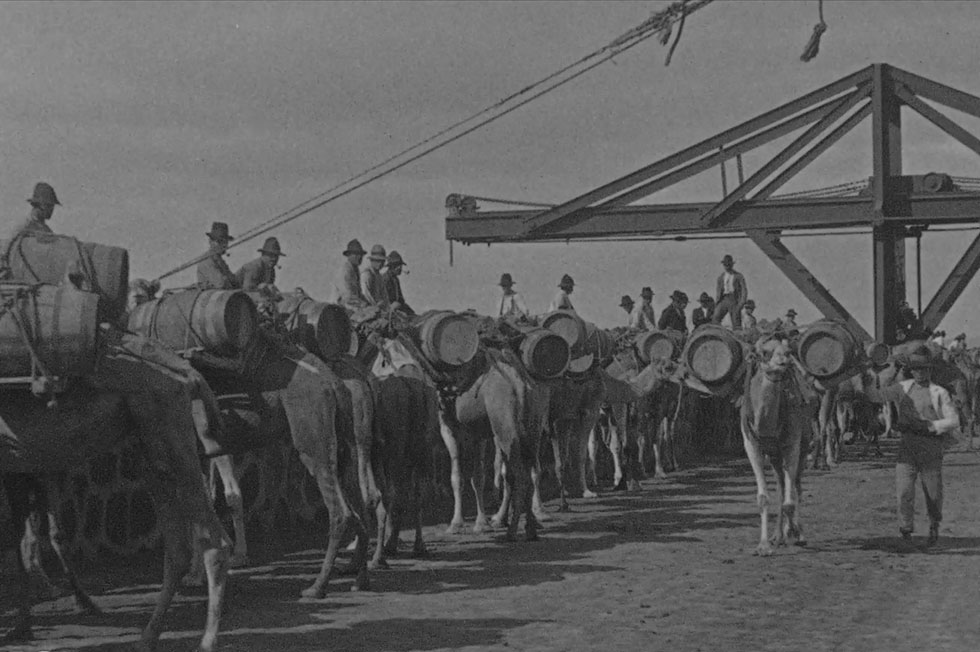
The collected footage from Fuerteventura, though sparse, offers significant insights–depicting coastal scenes and the struggle for vital water resources. Remarkably, the image of camels lined up at the dock to retrieve water sketches a vivid representation of the community’s realities and the pressing issues they faced.
The Power of Visual Legacy
As the Filmoteca Canaria prepares for upcoming screenings, attendees will be treated to a captivating piece of visual storytelling that not only entertains but educates and informs.
This restored footage from La Fox en Canarias 1925 is a unique treasure, fostering a deeper appreciation for the rich history and culture of the Canary Islands. The dedication of countless individuals to recover these historical narratives embodies the ethos that understanding our past is essential for recognizing and addressing contemporary challenges.