Nature and Development: A Partnership for the Future
By Marian Spain, CEO of Natural England
In a world increasingly aware of the interconnectedness of our ecosystems and economies, the recent UK Real Estate Investment and Infrastructure Forum (UKREiiF) served as a pivotal platform for discussing the role of nature in growth and development. With over 16,000 delegates from diverse sectors, the event underscored a collective ambition: to shape a built environment that harmonizes with the natural world.
The Importance of Nature in Development
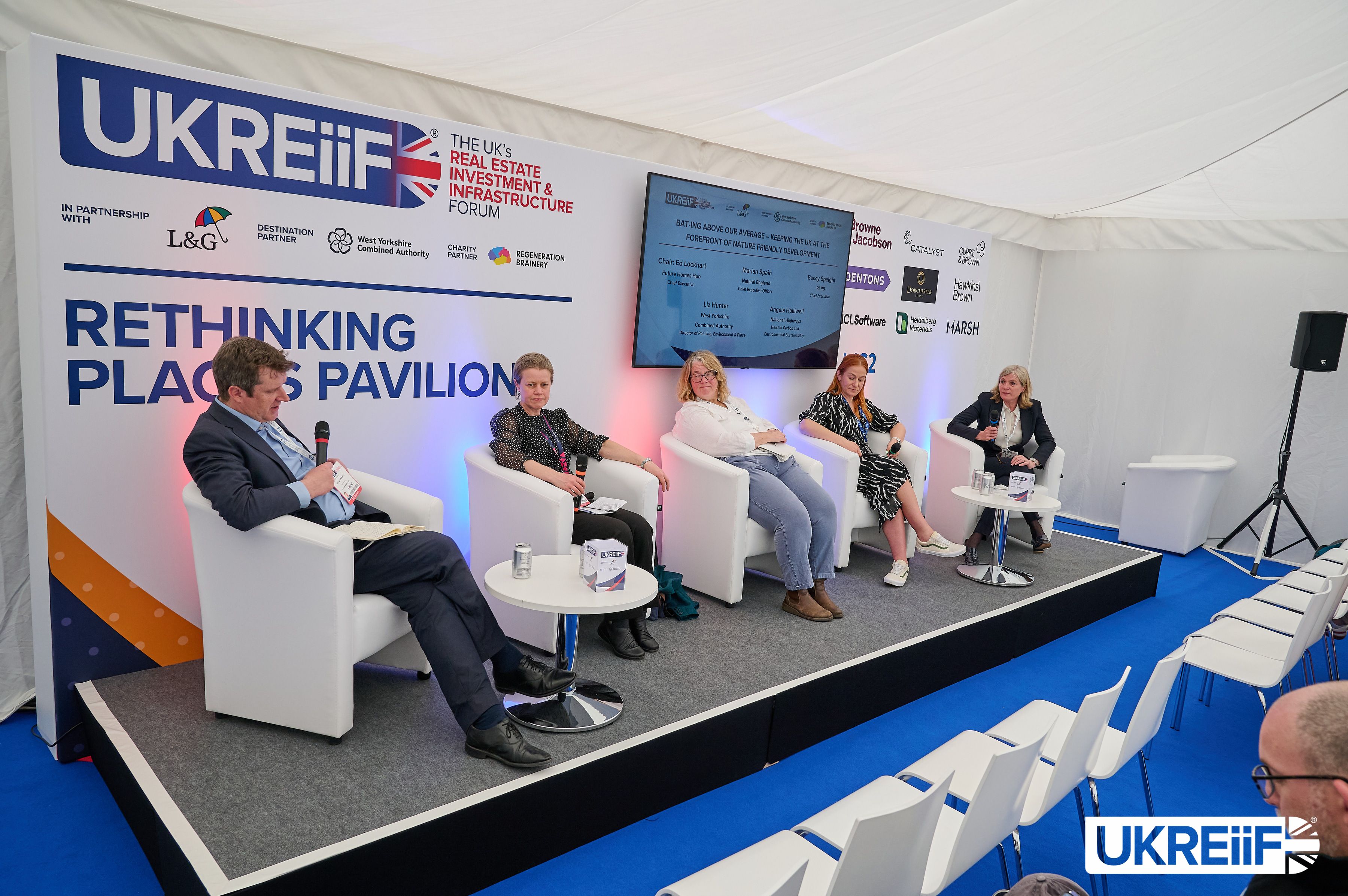
At UKREiiF, it became abundantly clear that nature can no longer be an afterthought in discussions about development. From flood risk management to climate resilience and public health, nature was woven into the very fabric of the event. During a panel discussion titled “Keeping the UK at the Forefront of Nature-Friendly Development,” I had the opportunity to engage with representatives from the RSPB, West Yorkshire Combined Authority, and National Highways. Together, we explored strategic approaches that enable developers to achieve economies of scale while prioritizing nature-led development.
Nature as Essential Infrastructure
For too long, the narrative has framed nature and economic growth as opposing forces, a trade-off to be managed rather than an opportunity to be seized. This perspective is shifting. Healthy ecosystems are not merely a luxury; they are foundational to our food and water supplies, climate management, and overall well-being. Nature is essential national infrastructure, as vital as transport, energy, and digital connectivity.
The question is no longer whether we can afford to invest in nature; it’s whether we can afford not to. Communities thrive in nature-rich environments, and this can translate into a competitive advantage for regions willing to embrace this reality.
Rethinking the Planning System
The current planning and regulatory framework often fails to serve both development and nature effectively. Issues such as water and air pollution, habitat fragmentation, and recreational disturbances are challenging to address on a site-by-site basis. However, there is a significant opportunity for win-win solutions if we adopt a broader perspective.
The Planning and Infrastructure Act offers a promising pathway forward. Initiatives like the Nature Restoration Fund and Environmental Delivery Plans (EDPs) can facilitate a shift from piecemeal mitigation to landscape-scale nature restoration. By targeting resources strategically, we can maximize environmental benefits and create a more effective planning system.
Local Leadership and Strategic Planning
Local leaders and Combined Authorities have a crucial role in driving investment and growth in their regions. Nature can bolster these ambitions, fostering healthier, more resilient, and investable communities. Throughout the conference, Spatial Development Strategies emerged as a key theme, presenting an opportunity to integrate nature recovery and climate resilience into strategic planning from the outset.
By embedding Local Nature Recovery Strategies and Green Infrastructure Standards into every Spatial Development Strategy, we can create a planning system that promotes nature recovery alongside housing and economic growth. This approach allows for the incorporation of green spaces into major developments, clarifying expectations for developers and future residents alike.
Collaborative Efforts for a Shared Vision
The government’s ambitious goal to build 1.5 million new homes during this Parliament is both bold and necessary. Natural England is committed to facilitating this goal—not as an obstacle to be navigated, but as an active partner in its realization. Collaboration among planners, developers, regulators, and organizations like Natural England is essential. Together, we can innovate and streamline planning processes, focusing on the ultimate outcome: vibrant, nature-rich communities that enhance quality of life.
Embracing Nature-Positive Development
Leaving UKREiiF, I felt a renewed sense of optimism. The conversations throughout the conference highlighted a shared understanding: nature-positive development is not merely a concession to environmental concerns; it is a smarter, more resilient way to build.
Nature serves as the backbone of healthy, prosperous, and beautiful places. It provides clean air and water, climate resilience, and improved health and well-being. For those willing to embrace it, nature offers a competitive advantage that can drive sustainable growth.
Natural England stands ready to be the partner that helps unlock this potential, ensuring that nature and development work hand in hand for a brighter future.