Thousands of Residents Return Home as Spain Lifts Evacuation Orders Amid Wildfire Crisis
In a significant development, thousands of residents in Spain have begun returning to their homes following the lifting of evacuation orders in wildfire-affected areas around Madrid and Avila. This decision comes as improved weather conditions have aided firefighters in stabilizing some of the most severe blazes the country has faced in recent history.
The Scale of the Wildfires
As of 2026, Spain has experienced one of its worst wildfire seasons on record, with over 207,000 hectares (approximately 512,000 acres) scorched across the nation. This alarming statistic highlights the severity of the situation, as the area burned is nearly equivalent to the size of New York City. The wildfires have not only devastated landscapes but have also displaced tens of thousands of residents, forcing them to evacuate their homes in search of safety.
Evacuation Orders Lifted
Late on Tuesday, the Spanish government announced the lifting of evacuation orders for more than a dozen municipalities in the Madrid and Avila regions. Central government delegate Francisco Martin Aguirre confirmed that around 24,000 evacuees were allowed to return home, with an additional 20,000 residents released from confinement in the Community of Madrid. This news brought a sense of relief to many who had been anxiously awaiting the opportunity to return to their neighborhoods.
Ongoing Firefighting Efforts
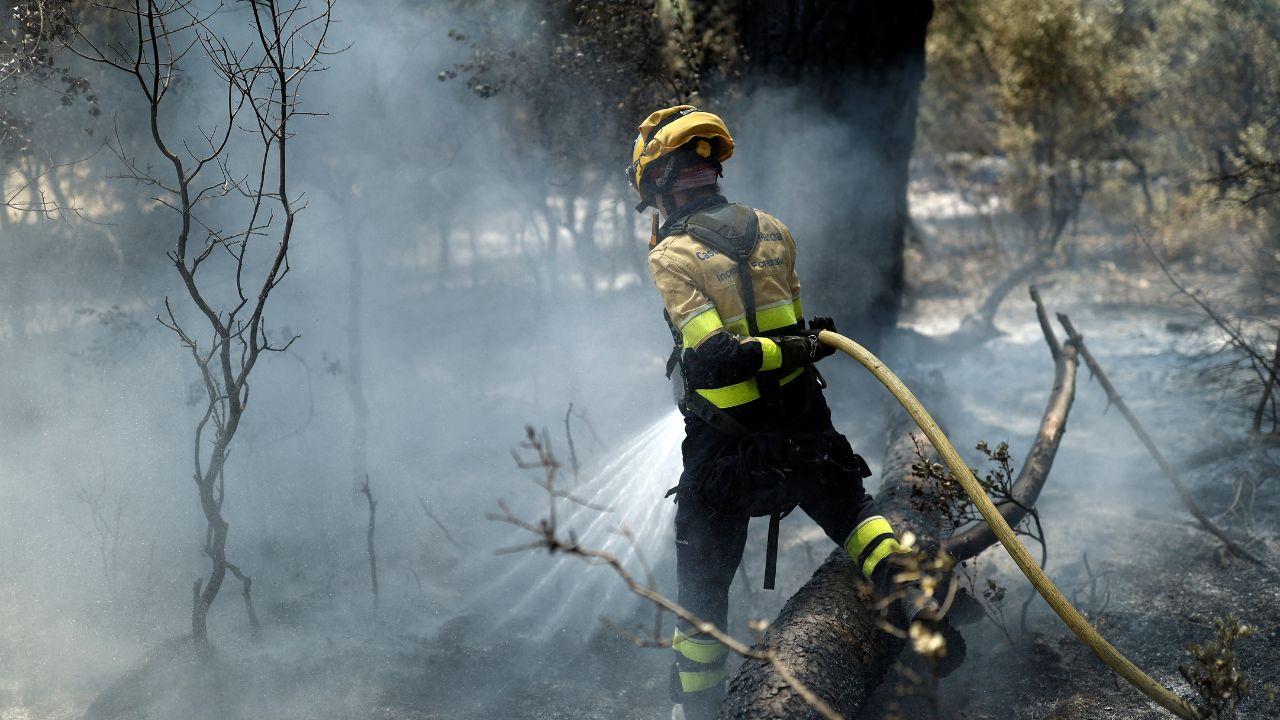
Despite the lifting of evacuation orders, the situation remains precarious. Firefighters continue to work tirelessly to contain the blazes, focusing on consolidating the progress made in recent days. Interior Minister Fernando Grande-Marlaska emphasized that while firefighters are making headway, the goal is to stabilize and extinguish all flames as quickly as possible. The efforts are complicated by high winds and a new heatwave, which have posed additional challenges to firefighting teams.
The Aftermath of Evacuations
As residents returned to areas like Aldea del Fresno, they found their surroundings still shrouded in smoke, with a lingering smell of burning vegetation in the air. The emotional toll of the wildfires is palpable, as families confront the aftermath of the destruction. Reports indicate that while some areas are stabilizing, the threat of reignition remains, necessitating ongoing vigilance from both residents and firefighting crews.
National and Regional Impact
The wildfires have not only affected Madrid and Avila but have also led to similar evacuations in other regions, such as Castellon near Valencia. Here, the municipality of Vall d’Uixo lifted confinement orders for its residents, reflecting a broader trend of cautious optimism as conditions improve.
A Record-Breaking Year
The European Forest Fire Information System has classified this year as one of the worst on record for wildfires in Spain, particularly during the January to July period. The scale of destruction has prompted discussions about climate change, forest management, and the need for improved emergency response strategies.
Community Resilience
As communities begin to rebuild, the resilience of the Spanish people shines through. Many are coming together to support one another, sharing resources and offering assistance to those who have lost their homes. Local organizations and volunteers are mobilizing to provide aid, showcasing the strength of community bonds in the face of adversity.
Conclusion
While the lifting of evacuation orders marks a hopeful step forward, the challenges posed by the wildfires are far from over. As Spain continues to grapple with the aftermath of this devastating season, the focus remains on recovery, rebuilding, and preparing for future challenges. The resilience of the affected communities serves as a testament to the human spirit in the face of nature’s fury.