Exploring the Enchanting Landscape of Fuerteventura
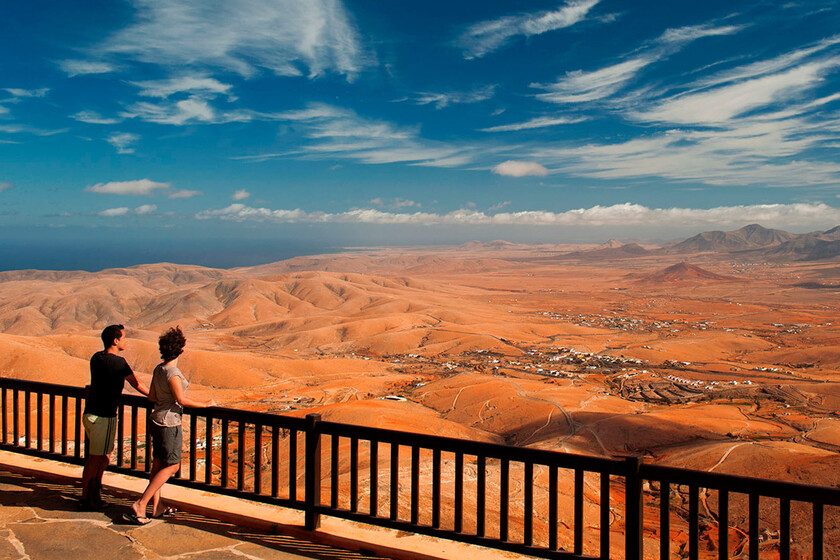
Fuerteventura rises majestically on the horizon, a land sculpted by wind and light. The constant whisper of the alisio winds sweeps across golden plains, shapes ever-shifting dunes, and glides over ancient volcanic cones, standing as silent witnesses to a distant past. Aridity is a defining feature of this landscape, starkly contrasted by the ochre earth and the deep blue ocean encompassing the island.
Geographic and Historical Insights
Located in the province of Las Palmas, Fuerteventura is the closest island to the African continent within the Canary archipelago. Its gently rolling topography, punctuated by craggy ravines and rounded mountains, reveals its geological antiquity—land that emerged millions of years ago and has been finely polished by persistent erosion. The island’s inhabitants primarily reside along the coastline, coexisting with expansive interior zones where the tranquil majorero landscape remains largely untouched.
The remnants of the ancient Majos peoples are still discernible through rock engravings, caves, and cultural traditions. These pre-Hispanic inhabitants left behind traces that provide insight into how they lived in a harsh yet symbolically rich environment. Following the Castilian conquest, municipalities began to grow around churches, stately homes, and small agricultural hubs, creating a unique collective heritage.
Natural Wonders and Cultural Landmarks
Among the island’s significant landmarks is the sacred Montaña de Tindaya, a revered site for the Majos. Notable views can be experienced from the Morro Velosa viewpoint, which overlooks expansive valleys, while the historic center of Betancuria, the island’s ancient capital, unveils layers of majorero identity. The Dunes of Corralejo are arguably the island’s most iconic landscape—a desert meeting the sea, endlessly reshaping with each gust of wind.
Festivities and Local Life
Fuerteventura’s cultural tapestry is enriched by local festivities that blend processions with traditional dances, farmer’s markets, and tastings of regional products. Carnival in Fuerteventura bursts with color and creativity, often contrasting the serene, everyday life of many villages. Thus, the island comes together as a territory of memory, extreme nature, and profound traditions.
Essential Travel Tips
When planning your visit, there are key considerations to keep in mind. First and foremost, renting a car is essential for traversing Fuerteventura. While the island’s length isn’t vast, distances between attractions can be significant, and public transport doesn’t always reach remote natural sites.
Next, consider the time of year for your visit. Summer months provide extended daylight and stable temperatures but also witness the strongest winds of the year. For a more temperate experience, September and October are ideal months, as is May.
Winter poses its own challenge with shorter daylight hours, particularly around six in the evening. While still more favorable than many European regions, this cements the importance of planning outdoor activities carefully.
Day 1: From Volcanic Landscapes to Cultural Heritage
Morning: Hiking Through Volcanic Terrain
Day one encourages an exploration of the northern part of the island, where trails weave through ancient lava flows and reveal the arrangement of cones that shaped the geological origins of Fuerteventura. The hiking paths around Lajares offer an excellent way to immerse yourself in this rugged landscape.
Ascending Calderón Hondo, one of the best-preserved craters in the north, typically takes a total of about an hour and a half. The route, of moderate difficulty, navigates well-marked paths through a stunning tapestry of red and black hills. Starting early is advisable, as the morning sun is less intense and winds are generally milder.
Diverse vistas throughout the journey afford glimpses of expansive northern coastlines and vast interior plains. On particularly clear days, the profile of Isla de Lobos can be discerned. At the crater’s rim, the broad, safe edge allows for full panoramic views of the caldera—an almost perfectly rounded cavity suspended in time.
For the more adventurous, continuing towards other nearby cones extends the hike into the malpaís of Bayuyo, where trails can stretch up to three hours for those opting for circular routes. Weather conditions, especially wind, should be checked prior to embarking on this trek.
Midday: Gastronomic Delights
Depending on your hiking endpoint, several dining options await you. Within the central region of the island, you can design a small triangle between Antigua, Caleta de Fuste, and Puerto del Rosario, each boasting a variety of quality eateries.
Another delightful stop might be in Betancuria, specifically at Don Antonio, which serves as a charming precursor to exploring the town, offering a lovely courtyard for lunch. Alternatively, if you find yourself in Betancuria, consider dining at La Sombra, which serves a modern menu in a trendy atmosphere.
Afternoon: Towns Steeped in History
Afternoons unfold an invitation to journey into the historical heart of Fuerteventura, with Betancuria taking center stage—a town rich with stories from its founding in the early 15th century. Its narrow streets and whitewashed homes offer a glimpse into the island’s evolution post-conquest.
The Church of Santa María, nestled at the village’s core, stands as a monument of architecture and heritage. Nearby, the Archaeological Museum lays bare the cultural evolution of the Majos, connecting visitors with the island’s ancient memories.
The tour can extend into Antigua, where agrarian landscapes, dotted with windmills, speak to human ingenuity in navigating water shortages.
Evening: Culinary Experiences between Coastal Beauties
As the day winds down, both La Oliva and Puerto del Rosario emerge as prime dining destinations, each offering a plethora of restaurant choices. If you fancy an evening devoted to gastronomic exploration, the diversity of options here does not disappoint.
While the island may not boast the culinary acclaim of its neighbors like Gran Canaria, it does provide an ample selection of acceptable eateries featuring local products and international fare.
For a unique culinary experience, La Jaira de Demian showcases local Grillo products—including dishes made with black pig and Majorero goat. Alternatively, La Marea de Puerto tempts with fresh seafood right by the coast—a treat enhanced by a terrace that’s delightful in spring and autumn.
Day 2: Enjoying Beaches and Cultural Immersion
Morning: Seaside Adventures
The second day pivots toward Fuerteventura’s stunning coastline, a primary draw for travelers. The Grand Beaches of Corralejo, found in the northeastern part of the island, comprise kilometers of sands where dunes spill dramatically into the Atlantic Ocean.
With ample space, even on busier days, visitors can enjoy peaceful walks, photography opportunities, or refreshing swims in crystal-clear waters. For calmer waters, Playa de La Concha at El Cotillo—a natural shell-shaped beach—offers an idyllic swimming environment.
Midday: Dining in Corralejo
If a day is spent exploring the captivating northern area, Corralejo provides many gratifying dining options. The Barceló Corralejo Sands hotel features the A Poniente Gastro Bar, known for its eclectic and well-executed dishes.
Also in Corralejo, don’t overlook La Ola, a bakery that crafts delicious bread and pastries perfect for brunch or breakfast, or Pizzeria Da Vivi, an ideal stop for satisfying pizza any time of day.
Afternoon: Cultural Exploration in Museums
Afternoons open a window to discover some key museums that reflect the rich heritage of Fuerteventura. The Archaeological Museum in Betancuria highlights indigenous society pre-conquest, uncovering the organization of life in a resource-scarce landscape.
The Majorero Cheese Museum in Antigua illustrates the island’s renowned goat farming practices and the cheese-making process, offering insights into rural life. For historical context, the Ecomuseum of La Alcogida in Tefía allows for an immersive experience of traditional majorero homes and lifestyles.
Meanwhile, the Salinas del Carmen Museum showcases the legacy of salt production along the east coast, where the stark contrast of white salt mountains against the ocean paints a quintessential cultural landscape.
Evening: Dining in the Capital
As night approaches, Puerto del Rosario beckons, featuring a compact array of eateries perfect for indulging before a restful evening. For a true taste of the island’s culinary treasures, explore La Jaira de Demian for modern takes on childhood favorites made with local ingredients, or seize the opportunity for excellent local fish dishes and tapas at nearby restaurants.
Fuerteventura’s allure combines its picturesque and rugged landscapes with a deep-rooted cultural history, not just in the sights but also in its flavors—all waiting to be savored in every corner of this unique island.