Cultural Exchange and Artistic Collaboration in the Canary Islands
The Canary Islands, known for their stunning landscapes and rich history, are also home to a vibrant cultural scene that thrives on collaboration and exchange. A recent initiative titled “Museos [y red] en movimiento” (Museums and Networks in Motion) has sparked significant activity among various museums in the region, allowing them to share archaeological and artistic treasures with one another. This program is spearheaded by the General Directorate of Cultural Heritage of the Canary Islands Government.
The Artifacts in Motion
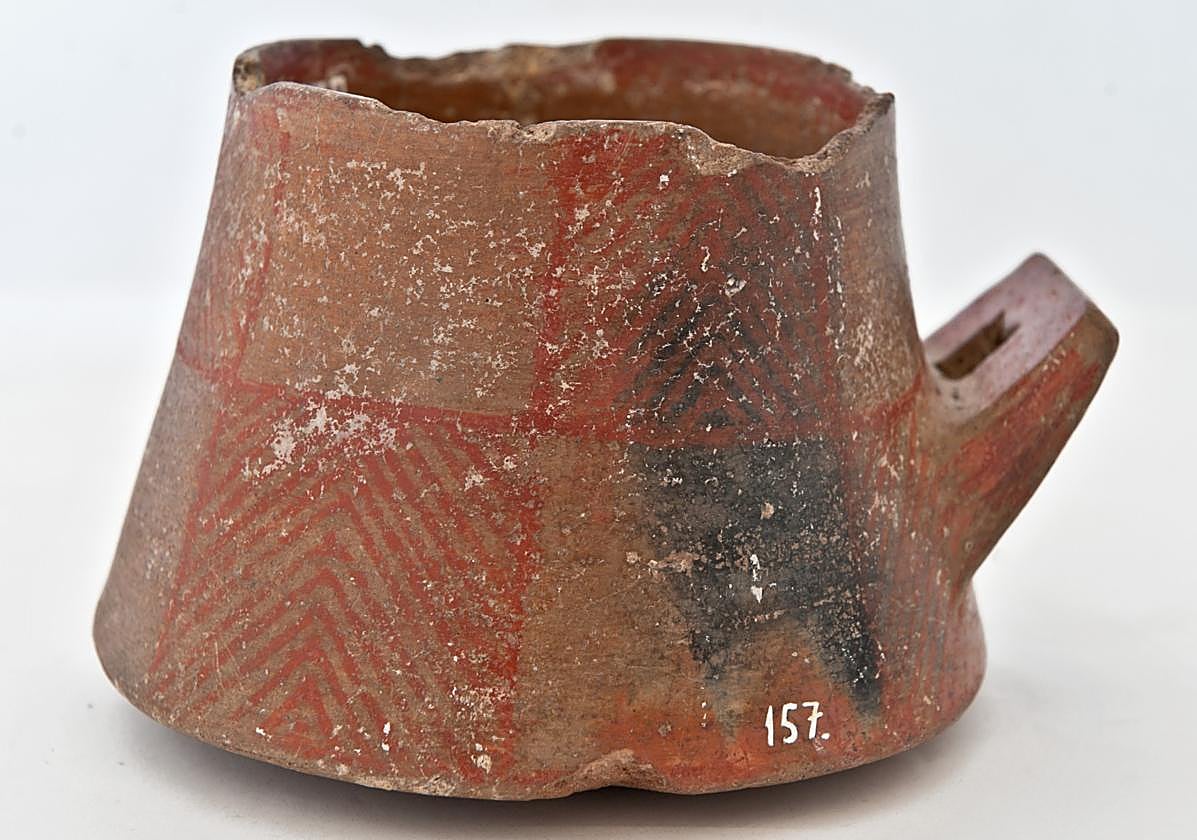
One of the highlights of this project features a remarkable ceramic piece decorated with almagre—a pigment traditionally used in ancient pottery—on loan from the Museo Canario to the Archaeological Museum of Fuerteventura. This intriguing artifact, emblematic of pre-Hispanic culture, showcases geometric designs that speak volumes about the artistic practices of the time.
In exchange, the Fuerteventura Museum has sent a notable item back—the Roman lamp (or lucerna) that was uncovered in the Lobos Islet site, dated to the turn of the era. It is fascinating to consider how these two disparate objects—a pre-Hispanic ceramic and a Roman oil lamp—connect the islands’ diverse histories.
Collaborative Exhibitions
The temporary exchange of these items adds a layer of depth to the exhibits in both institutions. The Museo Canario, located in Las Palmas de Gran Canaria, is set to display the Roman lamp prominently, allowing visitors to appreciate the craftsmanship of ancient artisans. Meanwhile, the pre-Hispanic ceramic piece will grace the exhibits at the Archaeological Museum of Betancuria, offering insights into the rich cultural heritage of Gran Canaria.
This mutual display not only promotes curiosity and learning but also fosters a sense of unity among the islands—allowing the public to engage with a broader narrative that spans centuries and cultures.
Technical Exchanges and Safety Measures
The project also emphasizes the exchange of technical personnel among the various museums involved. For instance, Juan Carlos Hernández, the director of the Archaeological Museum of La Gomera, visited Fuerteventura as part of this initiative to share best practices and knowledge in museum management and artifact conservation. Such exchanges ensure that museums continually evolve and improve their exhibition methods while also maintaining the integrity of their collections.
With the safe transportation and careful handling of these valuable items being paramount, stringent safety measures have been implemented. These artifacts are subject to thorough documentation, condition reports, and climate-controlled environments to ensure their protection during the exchange process.
Artistic Contributions
In addition to archaeological pieces, the initiative has extended to the contemporary art scene. The Juan Ismael Art Center is participating in a reciprocal arrangement with CEMFAC – La Ciudad en el Museo in La Palma. This artistic exchange involves sending a photocollage entitled “Astronauta” by Juan Ismael, while receiving works such as “Bulevar de Melancolía en la Ciudad de los gallos” by Hugo Pitti and “Vista de La Palma desde San Borondón” by Jorge Fin.
By integrating contemporary works into the museums’ programming, the initiative not only celebrates historical artifacts but also contextualizes them within the ongoing dialogue of modern artistic expression.
Upcoming Exhibitions
The borrowed works will be showcased until December 10 at both the Juan Ismael Art Center in Puerto del Rosario and the Archaeological Museum in Betancuria. Visitors can look forward to experiencing a thoughtfully arranged exhibition that breathes life into local artistic heritage while providing insights into the past through ancient artifacts.
This initiative serves not only to enrich the cultural tapestry of the Canary Islands but also to invite locals and tourists alike to discover and appreciate the stories embedded within each piece. Through collaboration and curiosity, the islands’ museums are playing a pivotal role in preserving and celebrating their unique cultural identity.