An Archaeological Treasure: The Roman Empire Beneath the Sands of Corralejo
Introduction to the Discovery
Recent findings in the archaeological landscape of the Canary Islands have sparked excitement among historians and archaeologists alike. The tenth archaeological campaign at the purple dye workshop site on Lobos Island reveals the tantalizing possibility that remnants of the Roman Empire await discovery beneath the sands of Corralejo’s beaches. This revelation not only draws attention to the historical significance of this area but also hints at a rich tapestry of ancient trade and cultural exchange in the Atlantic.
Investigative Efforts
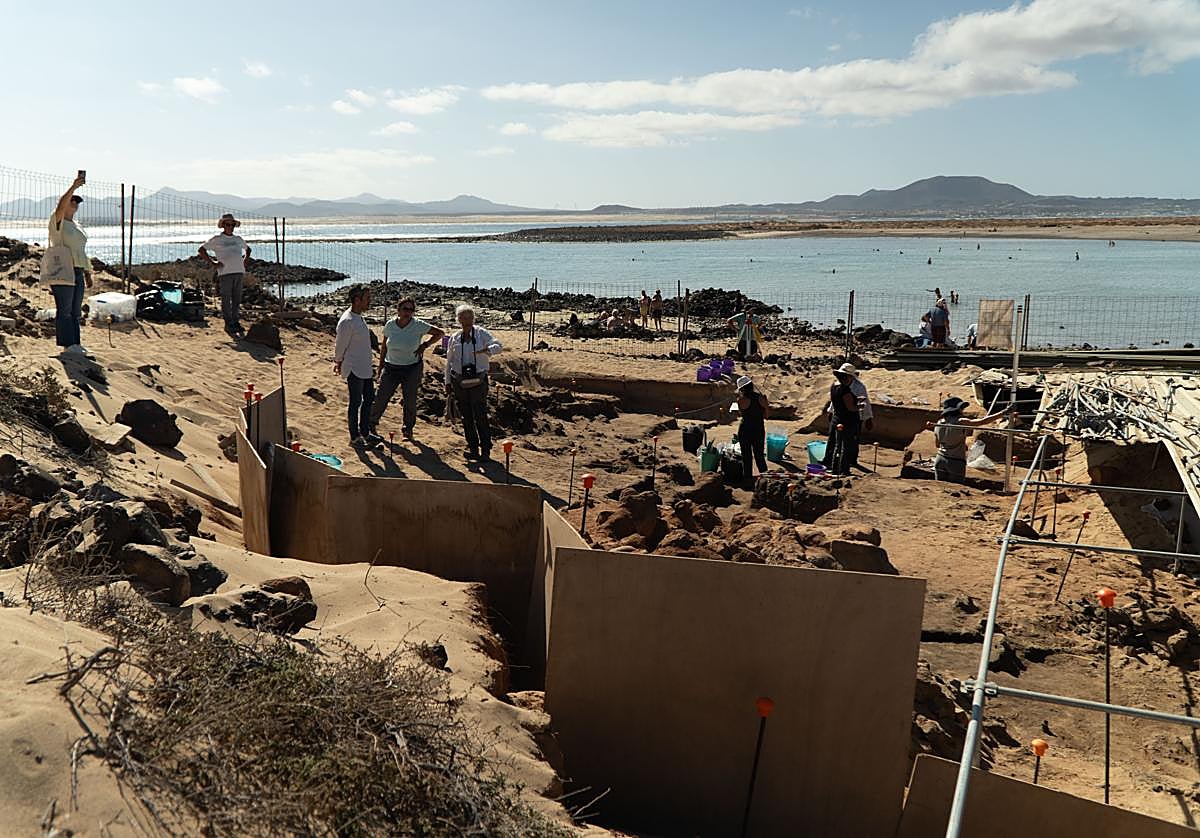
The current excavations are spearheaded by the Cabildo of Fuerteventura in collaboration with Museums and Centers of the Cabildo of Tenerife. These efforts focus on the picturesque Playa de la Concha on Lobos Island. With promising results from earlier studies suggesting a “possible presence of Romanized populations,” researchers are considering relocating to Corralejo for the upcoming eleventh campaign. This strategic move aims to further unearth the mysteries of Roman influence on the islands.
The Core Objectives of the Campaign
This tenth archaeological campaign, which spans three weeks, is highly multidisciplinary, engaging archaeologists, historians, and other experts. The main goal is to better understand the extent of the Lobos I site, which is recognized as a Roman purple dye workshop. According to Cultura and Heritage Minister of Fuerteventura, this endeavor involves focusing on a specific oven located in the northern part of the workshop. Excavations are uncovering materials tied to the ancient dye production process as well as domestic artifacts such as pottery, dishware, and remnants that offer insight into the dietary habits of that era.
Leadership and Collaboration
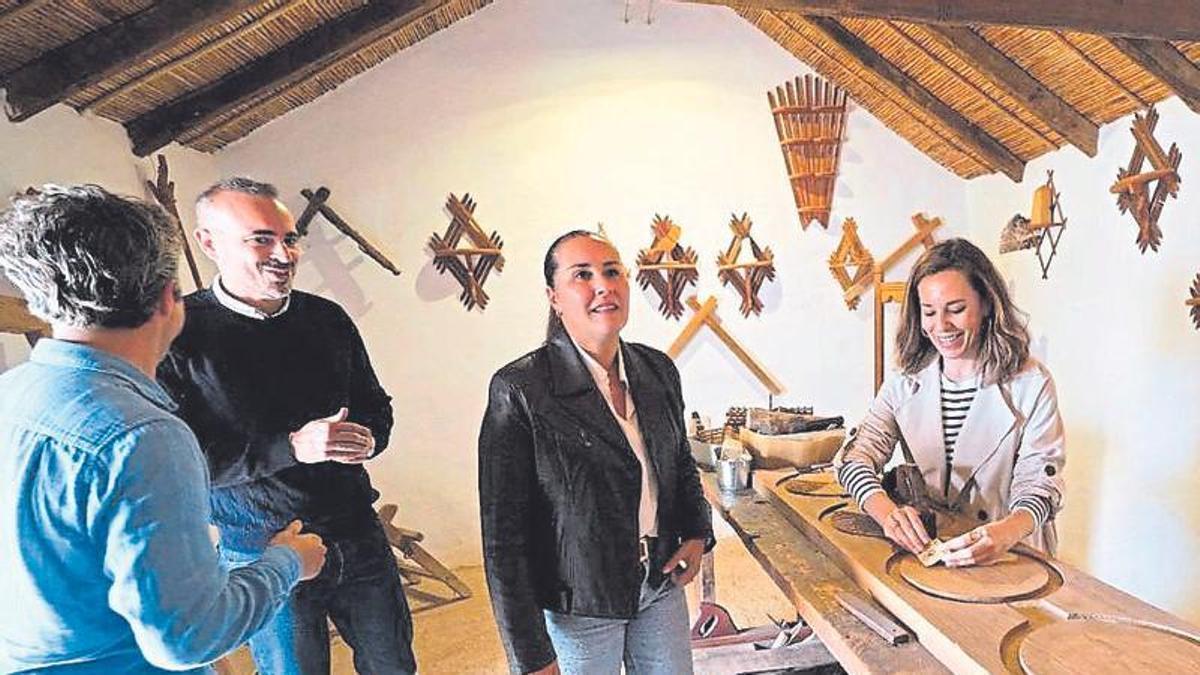
The direction of this ongoing archaeological endeavor is led by Isidoro Hernández, the director of the Archaeological Museum of Fuerteventura. He is joined by Mercedes del Arco, a technical expert and conservator at the Archaeological Museum of Tenerife, alongside Carmen del Arco, a distinguished professor of Prehistory. The collaboration underscores the importance of expert synergy in maximizing findings and preserving these invaluable cultural assets.
Official Support and Funding
The campaign has received authorization from the General Directorate of Culture and Cultural Heritage of the Government of the Canary Islands, which highlights the area’s significance. Additionally, Binter Canarias plays a crucial role by funding the transport of personnel and materials, ensuring that logistical challenges do not impede this enlightening exploration.
Historical Context of the Site
The discovery of the Roman purple dye workshop in 2012 shifted historical paradigms, redefining the presence of ancient Rome in the Atlantic. This finding positioned Lobos, Fuerteventura, and the broader Canary Islands as a surprising new frontier in the expansion of Roman civilization, linking these islands to the intricate maritime network of trade that characterized the Roman Empire.
Current Findings and Future Implications
As the excavation progresses, findings from Lobos contribute to our understanding of daily life in this historical context. The artifacts not only illuminate the sophistication of Roman engineering and craftsmanship but also reveal intriguing insights into the social and economic activities that thrived in this remote corner of the empire.
In summary, the ongoing archaeological efforts on Lobos Island offer a promising glimpse into the past, fueled by community collaboration, expert leadership, and governmental support. As researchers continue to sift through the sands of time, they edge closer to unearthing tales of an ancient civilization that once thrived across the Atlantic, forever changing the narrative of Roman history in this region.